By Andy
11 May, 2026
Squint Eyes
#CrossEyesTreatment, #DrAnandKumar, #Esotropia, #Exotropia, #MumbaiEyeSpecialist, #NaviMumbai, #PediatricEyeCare, #SquintEyeTreatment, #SquintTreatment, EyeCare, Strabismus, UtsavEyeClinic
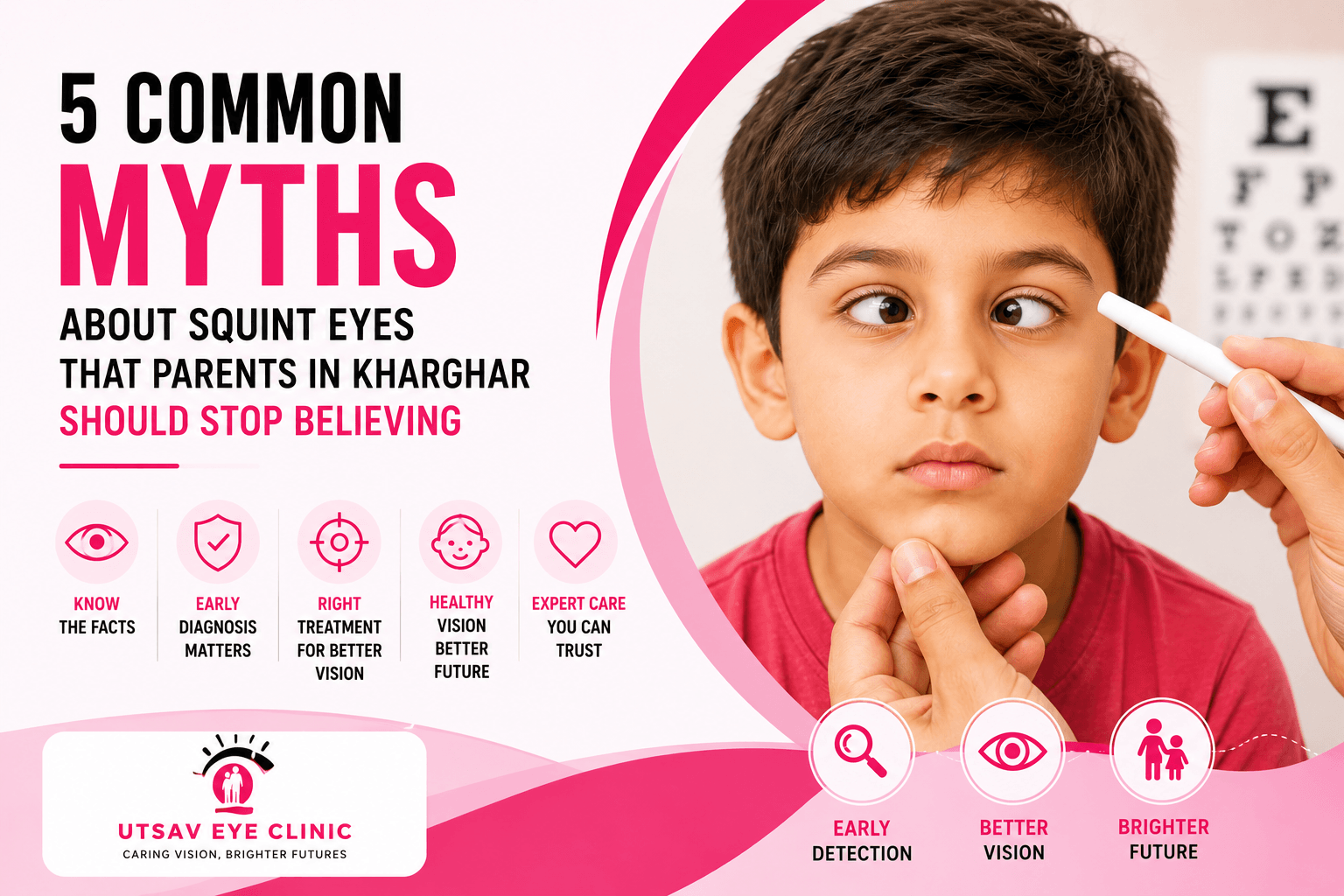
It can be stressful for parents to notice their child’s eyes turning inward or outward. A squint eye, medically called strabismus, occurs when both eyes are not aligned in the same direction. One eye may drift inward (esotropia) or outward (exotropia), while the other focuses normally. The encouraging part is that with timely diagnosis and proper care, children can experience major improvement in both vision and eye alignment. Let’s look at some common concerns about squint eyes and understand the real facts behind them, along with available options for squint eye treatment in Navi Mumbai.
What Is a Squint Eye? Understanding Strabismus in Children
Strabismus is a condition where the eyes do not work together properly. One eye may remain straight while the other moves in a different direction. This issue is commonly seen in children and should be evaluated early to avoid future vision problems.
The two frequently seen types include:
- Esotropia – inward turning of the eye
- Exotropia – outward drifting of the eye
Common Signs Parents Notice
Parents may notice symptoms such as:
- Eyes appearing misaligned
- Frequent head tilting
- Closing one eye in bright sunlight
- Trouble focusing on objects
These symptoms may indicate the need for cross eyes treatment in Kharghar.
Why Early Diagnosis Is Important
Early treatment helps support proper vision development and reduces the risk of complications like lazy eye. Depending on the condition, treatment may include glasses, patching, eye exercises, or surgery. Getting evaluated by the best Squint Specialist in Mumbai can help children receive the right treatment at the right time.
Myth 1 – Squint Eyes Will Correct Naturally With Age
Many parents assume squint eyes will correct naturally as the child grows. While occasional eye drifting can happen in infants, persistent squinting usually needs medical attention. Waiting too long can affect visual development and may lead to reduced vision in one eye. Conditions like esotropia and exotropia respond better when treated early. Parents searching for cross eyes treatment in Kharghar should not delay professional evaluation.
Myth 2 – Squint Eyes Only Affect Appearance
A squint is not just a cosmetic issue. Strabismus can interfere with the way the brain processes images from both eyes.
Without treatment, children may experience:
- Difficulty with depth perception
- Reading challenges
- Reduced concentration
- Lower self-confidence
Understanding these squint treatment in Kharghar families can help avoid long-term visual difficulties.
Myth 3 – Eye Exercises Can Cure Every Squint
Although eye exercises may help in selected cases, they are not effective for every type of squint.
Treatment depends on factors like:
- The child’s age
- Severity of eye misalignment
- Type of strabismus
- Associated vision problems
Some children improve with glasses or patching, while others may require surgery for proper eye alignment. Choosing the best Squint Specialist in Mumbai helps ensure accurate diagnosis and personalized care.
Myth 4 – Squint Surgery Is Dangerous for Children
The thought of surgery can make parents anxious, but modern squint surgery is generally considered safe when performed by experienced eye specialists.
The procedure is done to:
- Correct eye alignment
- Improve binocular vision
- Enhance visual coordination
- Increase confidence in children
Families considering strabismus Treatment in navi mumbai should understand that surgery is recommended only after careful evaluation.
Myth 5 – Adults Cannot Be Treated for Squint Eyes
Many people believe squint treatment only works during childhood, but adults can also benefit from treatment.
Treatment in adults may help improve:
- Eye alignment
- Double vision
- Eye strain
- Overall confidence
This remains one of the most common strabismus misconceptions Mumbai patients still hear today.
Choosing a Trusted Eye Clinic for Squint Treatment in Navi Mumbai
Selecting the right eye clinic is an important step in managing squint eyes effectively. A well-equipped clinic can identify the exact cause of strabismus and recommend the most suitable treatment based on the child’s condition and visual needs.
Parents should consider clinics that offer:
- Experienced squint specialists
- Modern eye diagnostic technology
- Child-friendly consultation and care
- Customized treatment plans
- Proper follow-up and monitoring
Families looking for cross eyes treatment in Kharghar should choose a clinic that focuses on early diagnosis and long-term vision care for children. At Utsav Eye Clinic, patients receive advanced care for squint and strabismus with personalized treatment approaches guided by experienced specialists like Dr Anand Kumar.
Final Thoughts
Myths and misinformation about squint eyes can prevent parents from seeking timely care for their children. The reality is that conditions like esotropia and exotropia can often be treated effectively with early diagnosis and proper medical support. Under the guidance of specialists like Dr Anand Kumar at Utsav Eye Clinic, children with strabismus can receive personalized treatment that supports healthier vision and improved confidence for the future.
More
By Andy
30 Apr, 2026
congenital glaucoma in children
#DrAnandKumar, #EyeClinicNaviMumbai, #EyeSpecialist, #GlaucomaInNaviMumbai, #GlaucomaTreatment, #NaviMumbaiClinic, EyeCare, EyeHealth, UtsavEyeClinic, VisionCare
Glaucoma is one of the leading causes of irreversible vision loss across the world. What makes this condition dangerous is that it often develops slowly and silently, without obvious symptoms in the early stages. Many people only realise there is a problem when vision damage has already started. That is why early diagnosis and timely treatment are essential.
If you or a loved one is concerned about glaucoma in Navi Mumbai, regular eye screenings can make a major difference. With expert care and modern diagnostic tools, glaucoma can often be managed successfully before serious vision loss occurs.
What Is Glaucoma?
Glaucoma is a group of eye conditions that damage the optic nerve, which carries visual information from the eye to the brain. This damage is commonly linked to increased pressure inside the eye, though glaucoma can also occur with normal eye pressure.
Once the optic nerve is damaged, the lost vision cannot be restored. That is why people searching for treatment for glaucoma in Navi Mumbai should not delay evaluation.
Why Is Early Detection So Important?
The biggest challenge with glaucoma is that many patients notice no symptoms in the beginning. Vision loss usually starts at the edges (peripheral vision), so it can go unnoticed for years.
Early detection matters because:
- Vision loss from glaucoma is permanent
- Treatment can slow or stop progression
- Regular monitoring helps preserve eyesight
- Earlier treatment often means better long-term results
People with a family history of glaucoma or anyone above age 40 should consider routine eye checkups for glaucoma in Navi Mumbai.
Understanding Congenital Glaucoma
While glaucoma is often associated with adults, babies and children can also develop it. Congenital glaucoma is a rare but serious condition present at birth or developing early in childhood. It happens when the eye’s drainage system does not form properly, causing pressure to build inside the eye.
Parents should seek urgent care if they notice:
- Excessive tearing
- Sensitivity to light
- Enlarged eyes
- Cloudy cornea
- Frequent eye rubbing
Families looking for congenital glaucoma treatment in Kharghar should know that early treatment can help protect a child’s developing vision.
Common Risk Factors for Glaucoma
Some people are more likely to develop glaucoma than others. Risk factors include:
- Age over 40
- Family history of glaucoma
- Diabetes
- High blood pressure
- Long-term steroid use
- Previous eye injury
- Severe nearsightedness or farsightedness
If any of these apply to you, it is wise to schedule an eye exam for glaucoma in Navi Mumbai before symptoms appear.
How Is Glaucoma Diagnosed?
A glaucoma specialist uses several tests to check eye health and pressure. These may include:
- Eye pressure measurement (tonometry)
- Optic nerve examination
- Visual field testing
- OCT scan to assess nerve fiber damage
- Corneal thickness measurement
These tests help detect glaucoma early, even when vision seems normal.
Treatment Options for Glaucoma
Treatment depends on the type and severity of glaucoma. The main goal is to lower eye pressure and prevent further damage.
- Eye Drops – Prescription eye drops are commonly used to reduce pressure inside the eye.
- Oral Medication – In some cases, medicines may be added for better pressure control.
- Laser Treatment – Laser procedures can help improve fluid drainage from the eye.
- Surgery – In advanced or difficult cases, surgery may be recommended to manage eye pressure.
- Pediatric Care – For children, congenital glaucoma treatment in Kharghar often involves surgery to improve drainage and protect vision as early as possible.
Signs You Should Never Ignore
Even though glaucoma can be silent, some warning signs need quick medical attention:
- Blurred vision
- Gradual side vision loss
- Eye pain
- Halos around lights
- Redness in the eye
- Sudden headache with visual discomfort
If you experience these symptoms, seek prompt care for glaucoma in Navi Mumbai.
Why Timely Care Matters for Children
Children cannot always explain what they are seeing. If congenital glaucoma is missed, it can affect lifelong vision development. That is why parents should not ignore tearing, enlarged eyes, or light sensitivity.
Seeking congenital glaucoma treatment in Kharghar at the earliest stage gives children the best chance for healthy visual growth and improved outcomes.
How to Protect Your Vision
Simple habits can help lower risk and support long-term eye health:
- Get routine eye checkups
- Follow prescribed treatment regularly
- Control diabetes and blood pressure
- Avoid self-medicating with steroids
- Inform your doctor about family history
These steps are especially helpful for people at higher risk of glaucoma in Navi Mumbai.
Final Thoughts
Glaucoma does not always show clear warning signs in the early stages, which is why regular eye screenings are so important. With timely diagnosis and the right treatment plan, many people can successfully manage the condition and protect their vision for years to come.
For families seeking trusted care for glaucoma in Navi Mumbai, experienced guidance from Dr. Anand Kumar at Utsav Eye Clinic can help you make informed decisions for long-term eye health. A preventive eye checkup today can be an important step toward protecting eyesight for the future.
More
By Andy
21 Mar, 2026
Cataract
#CataractCare, #CataractSurgery, #EyeClinic, #EyeSpecialist, #NaviMumbai, #PostSurgeryCare, EyeCare, EyeHealth, kharghar, VisionCare
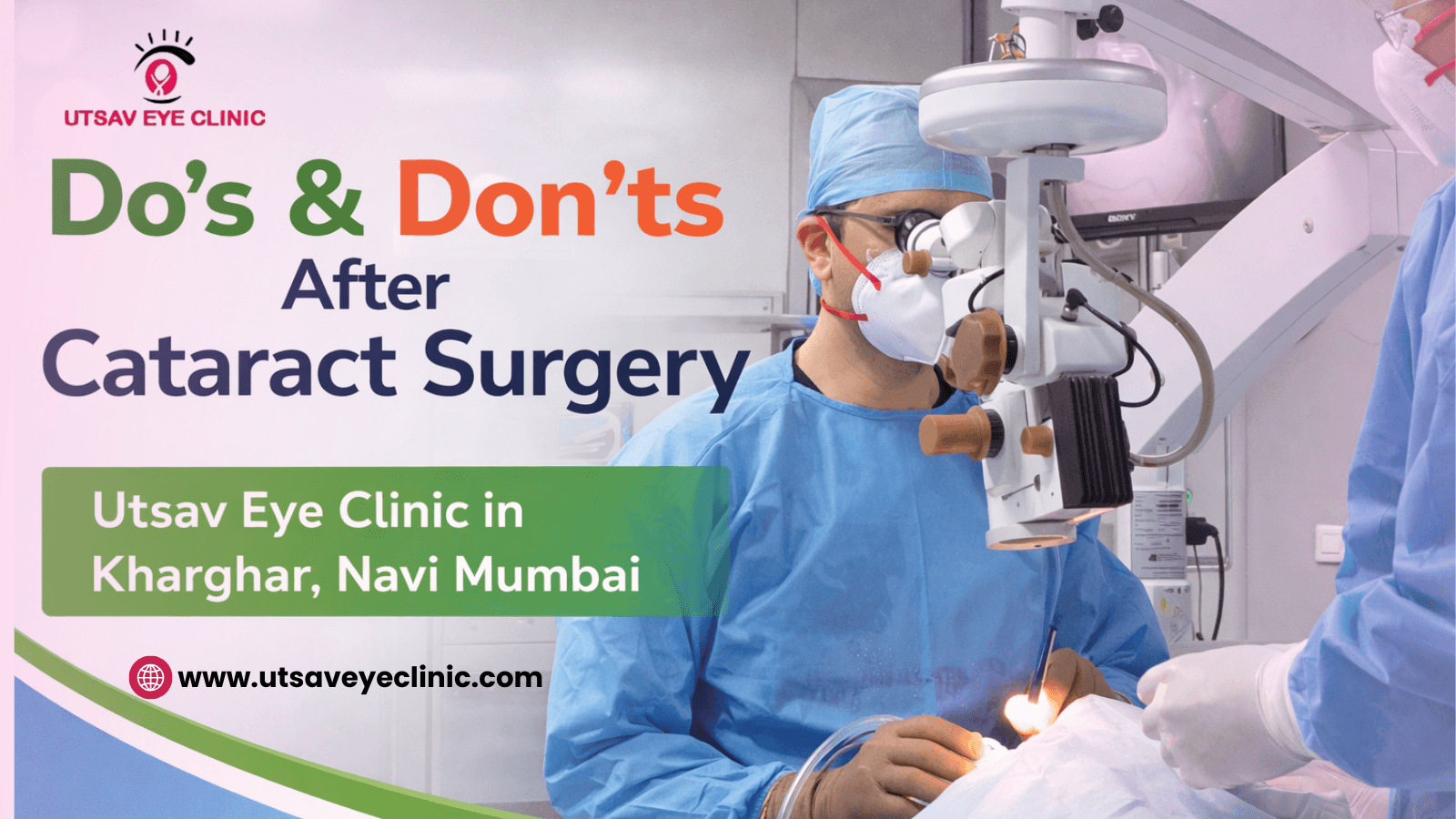
If you have recently had cataract surgery or are planning for it, taking proper care of your eyes afterward is very important. Good aftercare helps your eyes heal faster, improves your vision, and reduces the chances of any complications.
If you are planning Cataract surgery in Kharghar, following the right precautions after the procedure can make your recovery smooth and comfortable. Even though the surgery is simple and safe, your eyes still need time and care to fully recover.
What to Expect After Cataract Surgery
After the procedure, you may notice slight irritation, blurry vision, or mild redness. These are common and usually improve within a few days. Most people experience better vision soon after surgery, but complete healing may take a few weeks. Your doctor may advise you to wear protective glasses and avoid certain activities for a few days. Regular visits to an eye specialist in Navi Mumbai can help ensure that your eyes are healing properly and everything is on track.
Do Follow Your Doctor’s Instructions After Cataract Surgery in Kharghar, Navi Mumbai
Your doctor will prescribe eye drops and medications to prevent infection and control swelling. It is important to use them exactly as instructed.
Patients who undergo Cataract surgery in Navi Mumbai are usually given a proper schedule for medications. Following this routine carefully supports faster healing. Even if your eyes feel better, do not stop using the medicines unless your doctor tells you to.
Keep Your Eyes Safe; Avoid Rubbing or Touching Them After Surgery
After surgery, your eyes are more sensitive than usual. Even if you feel mild itching or discomfort, avoid rubbing or touching your eyes. Doing so can delay healing or increase the risk of infection. To protect your eyes, wear sunglasses when stepping outside and try to avoid dusty or polluted areas. If you feel any unusual discomfort, it is better to consult an experienced eye specialist in Navi Mumbai instead of touching your eyes.
Do Wear Sunglasses; Don’t Expose Your Eyes to Dust
Your eyes can be more sensitive to light and environmental factors after surgery. Wearing sunglasses helps protect them from sunlight, dust, and pollution. If you have had Cataract surgery in Kharghar, using protective eyewear regularly when going outside can help prevent irritation and support the healing process.
Do Keep Your Eyes Clean; Don’t Let Water Enter Your Eyes
Maintaining cleanliness around your eyes is very important after surgery. You can gently clean the area around your eyes, but avoid touching the eye directly. While bathing or washing your face, make sure that water, soap, or shampoo does not enter your eyes, as this can lead to infection.
Don’t Sleep on the Operated Side Immediately After Surgery
Sleeping position also plays a role in your recovery. Avoid lying on the side where the surgery was performed, as it can put pressure on your eye. It is better to sleep on your back or the opposite side for a few days. If you experience discomfort while sleeping, you can consult your doctor for proper advice.
Do Attend Follow-Ups; Don’t Skip Check-Ups
Follow-up appointments are important to monitor your recovery. Your doctor will check your eye and make sure everything is healing as expected. Even if your vision seems fine, do not skip these visits. Regular check-ups help prevent any issues and ensure a smooth recovery.
When Should You Contact Your Doctor?
Although recovery is usually smooth, you should contact your doctor if you notice:
- Severe or increasing eye pain
- Sudden drop in vision
- Persistent redness
- Flashes or floating spots
If you experience any of these symptoms after Cataract surgery in Navi Mumbai, seek medical help without delay.
Final Thoughts
Cataract surgery is a safe and effective procedure, but proper care after surgery is equally important. By following these simple do’s and don’ts, you can recover faster and enjoy better vision.
For the best results, always follow expert advice and choose a reliable clinic for your treatment and aftercare. Under the care of Dr. Anand Kumar, patients receive the right guidance and support needed for a smooth recovery. If you are looking for trusted eye care and professional support, choosing the right clinic can make a big difference in your overall experience.
More
By Dr Anand Kumar
03 Feb, 2026
Diplopia, Neuro-Ophthalmology
#BinocularDiplopia, #Diplopia, #doublevision, #DrAnandKumar, #MonocularDiplopia, #NaviMumbai, #NeuroOphthalmology, EyeCare, EyeHealth, UtsavEyeClinic
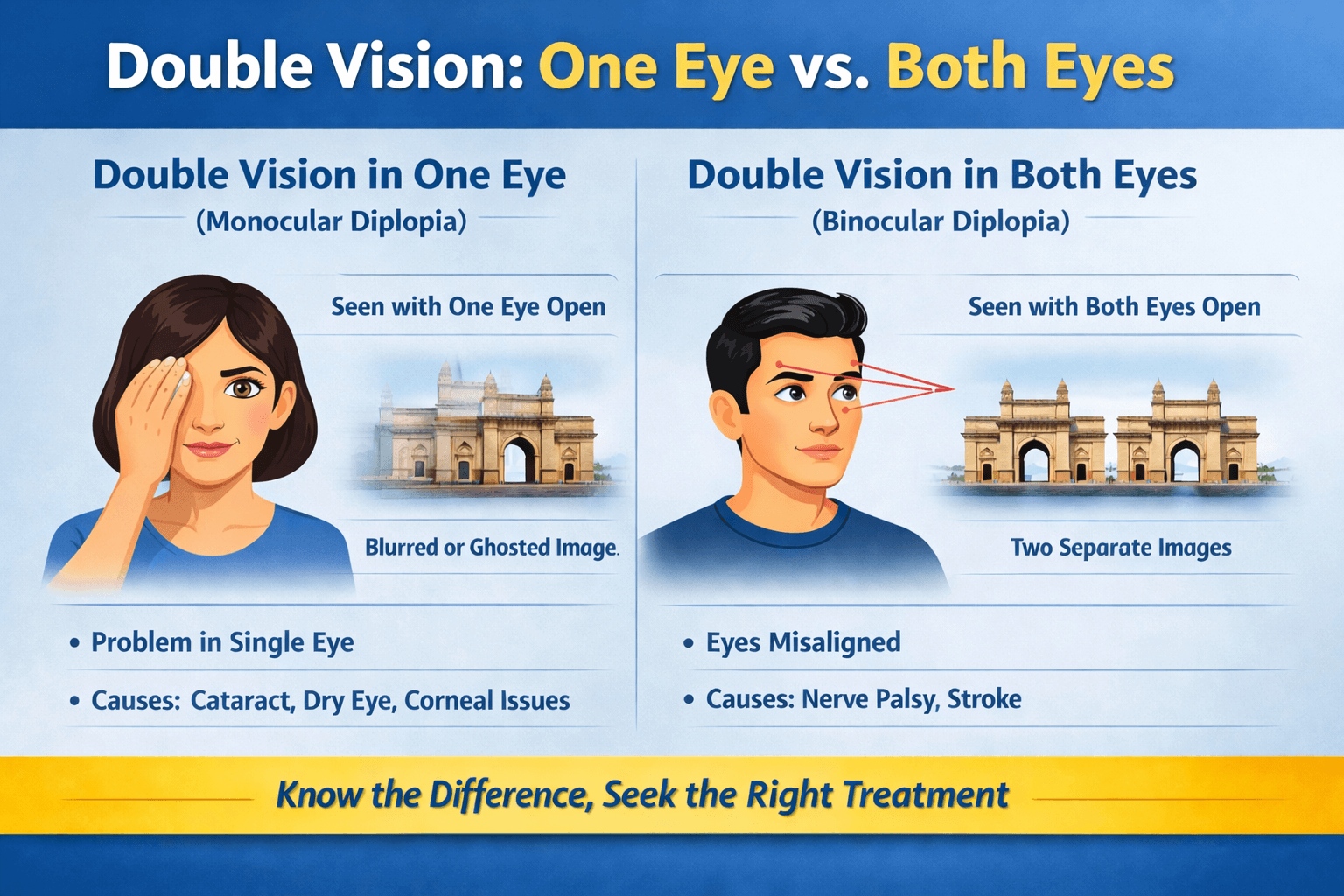
Seeing two images instead of one can be confusing and worrying. This is called diplopia, or double vision. Some people notice it in one eye, while others experience it in both eyes commonly referred to as Double Vision in One Eye vs Both Eyes. Understanding the difference helps doctors figure out the cause and the best treatment.
What Is Double Vision (Diplopia)?
Double vision happens when the eyes don’t work together properly, or there is a problem inside one eye. Images may appear side by side, on top of each other, or slightly tilted. Sometimes double vision is temporary, but in some cases, it may be caused by nerve or brain issues and should not be ignored.
Double Vision in One Eye (Monocular Diplopia)
If double vision continues even when one eye is closed, the problem usually comes from that eye itself. Monocular diplopia means seeing double or multiple images with only one eye open. It usually points to an eye problem rather than a nerve problem. Common causes include refractive errors, cataracts, cornea problems like keratoconus, or severe dry eyes. People may notice ghost images, shadowy vision,
Common causes include:
- Dry eyes
- Cataract
- Corneal problems
- Incorrect glasses or lens power
This kind of double vision is usually linked to the eye’s surface or lens and not to the brain or nerves. With proper treatment, it can often be corrected. You can read more about double vision here.
Double Vision in Both Eyes (Binocular Diplopia)
If vision disappears when you close either eye, it means both eyes are not aligned properly. Binocular diplopia happens when you see two images of one object while both eyes are open. The double vision goes away if you cover one eye. This usually happens because the eyes aren’t moving together correctly, a condition called misalignment or strabismus. It can be caused by nerve problems, muscle issues, or previous injuries. Since binocular diplopia can sometimes be related to neurological issues, it should be checked promptly.
Possible causes include:
- Sixth nerve palsy – affects side-to-side eye movement
- Fourth nerve palsy – causes vertical or tilted double vision
- Third nerve palsy – affects eye movement, eyelid position, and pupil
- Myasthenia gravis – a condition that weakens muscles
- Stroke or brain tumor
These issues usually need evaluation by a neuro-ophthalmologist, a specialist in eye problems related to nerves. If you are looking for the Best Neuro-Ophthalmology services in Navi Mumbai, Utsav Eye Clinic can provide expert care.
How Is Double Vision Diagnosed?
At Utsav Eye Clinic, the goal is to find the exact cause of double vision, not just treat the symptom.
Tests may include:
- A detailed eye exam
- Eye movement checks
- Nerve tests
- Blood tests or imaging if needed
Early diagnosis is very important if double vision starts suddenly or gets worse over time. You can also read about diplopia treatment in Navi Mumbai.
How Is Double Vision Treated?
Treatment depends on what is causing the problem.
It may include:
- Glasses or prism lenses
- Treatment for dry eyes or cataracts
- Medicines for nerve or muscle conditions
- Watching and waiting, as some nerve problems improve over time
- Working with other specialists if needed
When Should Double Vision Be Taken Seriously?
Double vision (diplopia) should be checked quickly if:
- It starts suddenly or appears for the first time
- It lasts for several hours or keeps coming back
- It comes with headache or eye pain
- It happens with dizziness or balance problems
- There is weakness in the face, arms, or legs
- Speech becomes slurred
In some cases, double vision can signal serious conditions like stroke, aneurysm, brain tumor, or neurological disorders. Prompt attention helps find the cause and get treatment quickly.
Why Choose Dr. Anand Kumar at Utsav Eye Clinic in Navi Mumbai for Eye Care
If you have double vision or problems with your eye nerves, it’s important to see the right doctor. Dr. Anand Kumar at Utsav Eye Clinic, in Navi Mumbai, provides expert care for these problems. Patients get careful exams, easy-to-understand explanations, and treatment plans suited to their needs. With years of experience, Dr. Anand Kumar ensures professional and caring care for every patient. The clinic is also easy to reach in Navi Mumbai, making it simple to get the help you need.
Final Thoughts
seeing double vision may look similar, but the causes can be very different. Some cases are simple and easy to treat, while others may be related to serious nerve or brain problems.
Getting checked early helps ensure the right diagnosis and proper care. Patients get expert guidance and treatment from Dr. Anand Kumar, helping restore clear and comfortable vision.
More
At Utsav Eye Clinic, we specialise in Squint Eye Treatment in Navi Mumbai, helping children and adults achieve straight, healthy eyes and better vision.
Have you noticed your child tilting their head to see clearly, or someone’s eyes not looking in the same direction? This may be a sign of squint eyes Even a small misalignment can make simple activities like reading, catching a ball, or pouring water harder. We help children and adults have straight, healthy eyes. Our goal is to make daily life easier, improve vision, and boost confidence. This guide will help you understand what squint is, how it affects everyday life, and the treatment options available.
Why Squint Happens
Squint happens when the eye muscles do not work together properly, causing one eye to drift. Common reasons include:
· Family history: Squint can run in families, so early eye checks are important.
· Farsightedness: Straining to focus can make the eyes turn inward.
· Health issues: Adults may develop strabismus, esotropia, exotropia, or complex eye problems due to stroke, diabetes, or nerve-related issues.
Finding squint early makes treatment easier and increases the chances of success.
How Squint Affects Daily Life
Squint can make everyday tasks harder for both children and adults.
· For children: They may tilt their head while reading, struggle in sports, or feel shy at school.
· For adults: Judging distances can be difficult, eyes may get tired quickly, and some people feel self-conscious in photos or social situations.
Even small eye misalignment can affect confidence. With proper care, children and adults can enjoy better vision and feel more confident.
Life After Squint Treatment
After treatment, life can improve in many ways. Children and adults can catch a ball without tilting their head, read comfortably without eye strain, and feel more confident in photos and social situations. Straightened eyes improve depth perception and vision, helping children feel confident at school while adults find daily activities easier.
Doctor’s Tips For Helping Your Child with Squint Eye Surgery
Here are practical tips from Dr. Anand Kumar for parents whose child is having squint surgery:
· Understand the procedure: Learn how the surgery works and what to expect.
· Follow pre-surgery instructions: Take medicines and follow fasting or eye care instructions.
· Support your child emotionally: Explain the surgery in simple words and stay calm to reduce anxiety.
· Post-surgery care: Use prescribed eye drops, keep eyes clean, and prevent rubbing.
· Attend follow-up appointments: Regular checkups help ensure proper healing and alignment.
· Gradually resume activities: After recovery, your child can return to reading, playing, and other routines.
Following these steps helps ensure a safe surgery, faster recovery, and better vision results.
Why Choose Utsav Eye Clinic?
Utsav Eye Clinic is a trusted centre for squint doctors in Navi Mumbai, lazy eyes, and complex eye alignment problems. The clinic provides personal care for children and adults, uses safe and modern treatment methods, and gives ongoing follow-up to maintain results. Many patients in Navi Mumbai choose Utsav Eye Clinic for its experienced specialists, and patients notice clear improvements in vision and quality of life.
Final Thought
Misaligned eyes, including cross eyes or lazy eyes, can affect vision, confidence, and daily life. With Dr. Anand Kumar at Utsav Eye Clinic, you or your child can start the journey toward clearer vision, better depth perception, and more self-confidence. Early checkups, proper treatment, and support at home can make a lasting positive difference
More