By Andy
22 May, 2026
Eye Clinic
#BestEyeClinicInNaviMumbai, #ChildrensEyeCare, #ComprehensiveEyeCare, #EyeCareExperts, #EyeCheckupNaviMumbai, #EyeClinicNaviMumbai, #EyeDoctorNaviMumbai, #EyeSpecialistNaviMumbai, #HealthyVision, #NaviMumbaiHealthcare, #PediatricEyeCare, #SquintTreatment, EyeHealth, UtsavEyeClinic, VisionCare
Let’s be honest, most of us only visit an eye doctor when something already feels wrong. A blurry board at school, constant headaches, or an eye that just does not feel right. But here is something most people do not realize by the time you notice symptoms, the problem has often already been there for months.
If you are searching for the Best Eye Clinic in Kharghar, understanding your eye health early is very important. So, how often should you actually get an eye checkup? The answer depends on your age, your health, and your lifestyle. Let’s break it down simply.
Eye Checkups for Babies and Young Children
You might be surprised eye care starts from birth. Babies cannot tell you they cannot see clearly, which is exactly why early screening matters so much. Visiting a Best Eye Clinic in Kharghar ensures early detection in children.
Here is a simple schedule to follow:
- At birth — Basic eye screening in the hospital
- At 6 months — First full eye examination by a specialist
- Age 3 to 5 — Before your child starts school
- School age onwards — Every single year without fail
A regular Best Eye Clinic Navi Mumbai is essential for detecting early conditions like lazy eye and squint. Conditions like lazy eye (amblyopia), squint (strabismus), and early myopia develop silently. A child will rarely complain they simply think everyone sees the world the way they do. Annual checkups at a trusted clinic can catch these issues early. Consulting an experienced Eye Specialist in Navi Mumbai helps ensure proper vision development.
Eye Checkups for Adults
If your eyes feel perfectly fine and you have no risk factors, once every two years is generally acceptable. But “feeling fine” can be misleading. Conditions like glaucoma and diabetic retinopathy cause zero pain and zero early symptoms until significant damage has already been done.
Routine Best Eye Clinic Navi Mumbai visits help detect these issues early, before vision is affected.
You should visit every year if you:
- Wear glasses or contact lenses
- Have diabetes or high blood pressure
- Have a family history of glaucoma or eye disease
- Spend more than 6 hours a day on screens
- Have had a previous eye injury or surgery
An experienced Eye Specialist in Navi Mumbai can help monitor changes in your vision and prevent long-term complications.
Warning Signs: Do Not Wait for Your Next Scheduled Checkup
Regardless of when your last visit was, see an eye doctor immediately if you notice:
- Sudden blurry or double vision
- Flashes of light or new floaters
- Eye pain, redness, or unusual discharge
- Loss of side (peripheral) vision
- A white or cloudy spot in your child’s eye
A timely Best Eye Clinic Navi Mumbai can help diagnose serious conditions before they progress.
What Happens During an Eye Checkup?
A lot of people avoid eye checkups simply because they do not know what to expect. Here is the good news it is completely painless and takes just 30 to 45 minutes.
During a visit to an Eye Specialist in Navi Mumbai, a full examination ensures complete eye health evaluation.
At Utsav Eye Clinic, Kharghar, a routine checkup includes:
- Vision test to check your glasses’ power
- Eye pressure check for glaucoma screening
- Retina and optic nerve examination
- Evaluation of eye movement and alignment
- For children cycloplegic refraction for an accurate glasses prescription
Common Reasons People Skip Eye Checkups, And Why They Are Wrong
Life gets busy, and an eye checkup often feels like something that can be postponed. People usually think, “I’ll do it next month,” but that next month quietly becomes next year. Delaying care can sometimes lead to irreversible vision problems. Visiting the Best Eye Clinic in Kharghar ensures that even silent eye conditions are detected early before they affect your vision.
“My Eyes Feel Perfectly Fine”
This is one of the most common and dangerous misconceptions. Many serious eye diseases, such as glaucoma, diabetic retinopathy, and early retinal disorders, do not show any symptoms in the beginning stages. Vision may seem completely normal while damage is already progressing inside the eye. A routine Eye Checkup in Kharghar is the only reliable way to detect these hidden conditions early. Waiting for symptoms often means waiting too long.
“My Child Passed the School Eye Test”
School vision screenings are very basic and only check distance vision. They do not evaluate eye coordination, focusing ability, lazy eye, or early squint problems. Many children who pass school tests still struggle with reading, attention, or eye strain. A complete eye examination by an experienced Eye Specialist in Navi Mumbai is essential to rule out hidden vision issues that school screenings miss.
“I Had a Checkup Two Years Ago”
Eye health can change gradually without noticeable signs. Two years is a long gap, especially for growing children, working adults, and people above 40. Even small changes in vision can affect productivity, comfort, and long-term eye health. Regular visits to the Utsav eye clinic help track these changes and ensure timely correction before problems worsen.
“Eye Checkups Are Too Expensive”
Many people delay eye care thinking it is costly, but this is a misconception. Preventive eye checkups are far more affordable compared to treating advanced eye diseases later. For example, early detection of glaucoma may only require eye drops, while late-stage treatment can involve surgery and long-term vision loss. A simple Eye Checkup can actually save both money and eyesight in the long run.
Why Choose Utsav Eye Clinic in Kharghar for Your Eye Checkup
When it comes to your family’s eye health, you deserve the best. Here is why patients trust us:
- USA trained eye specialist — Dr. Anand Kumar is a leading Eye Specialist in Navi Mumbai with fellowship training from the USA
- Advanced equipment — modern instruments for accurate diagnosis
- Child friendly care — expertise in pediatric eye conditions
- Convenient location — easily accessible for Kharghar and nearby areas
- Personalised care — every patient receives individual attention
Choosing the Best Eye Clinic in Kharghar ensures complete eye care for all age groups.
Final Thought
Your eyes work hard every single day through screens, sunlight, reading, and everything in between. A routine eye checkup is not something to keep putting off.
If you are looking for the Best Eye Clinic Navi Mumbai , scheduling a timely Best Eye Clinic Navi Mumbai with an experienced Eye Specialist can protect your vision for life.
More
By Andy
11 May, 2026
Squint Eyes
#CrossEyesTreatment, #DrAnandKumar, #Esotropia, #Exotropia, #MumbaiEyeSpecialist, #NaviMumbai, #PediatricEyeCare, #SquintEyeTreatment, #SquintTreatment, EyeCare, Strabismus, UtsavEyeClinic
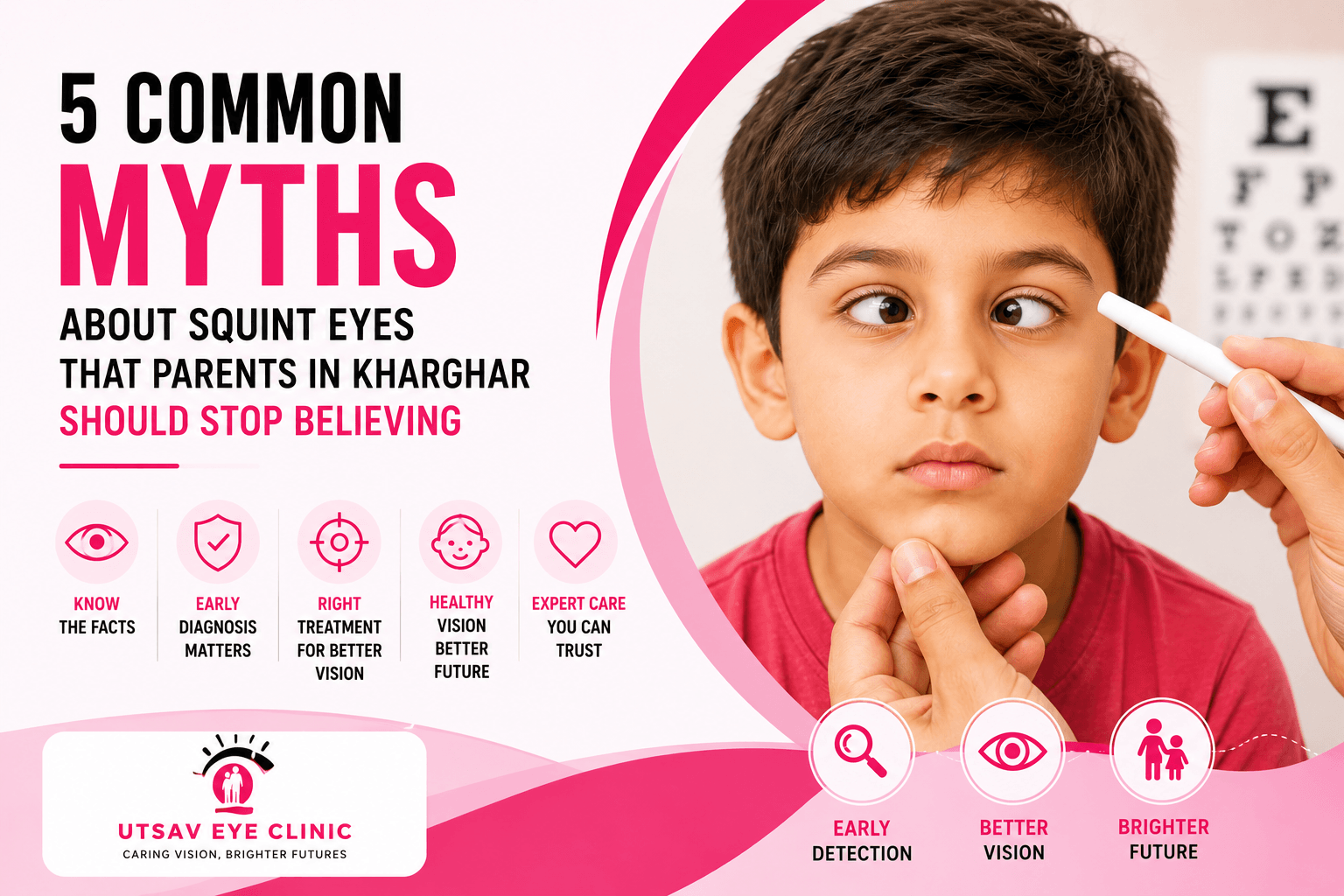
It can be stressful for parents to notice their child’s eyes turning inward or outward. A squint eye, medically called strabismus, occurs when both eyes are not aligned in the same direction. One eye may drift inward (esotropia) or outward (exotropia), while the other focuses normally. The encouraging part is that with timely diagnosis and proper care, children can experience major improvement in both vision and eye alignment. Let’s look at some common concerns about squint eyes and understand the real facts behind them, along with available options for squint eye treatment in Navi Mumbai.
What Is a Squint Eye? Understanding Strabismus in Children
Strabismus is a condition where the eyes do not work together properly. One eye may remain straight while the other moves in a different direction. This issue is commonly seen in children and should be evaluated early to avoid future vision problems.
The two frequently seen types include:
- Esotropia – inward turning of the eye
- Exotropia – outward drifting of the eye
Common Signs Parents Notice
Parents may notice symptoms such as:
- Eyes appearing misaligned
- Frequent head tilting
- Closing one eye in bright sunlight
- Trouble focusing on objects
These symptoms may indicate the need for cross eyes treatment in Kharghar.
Why Early Diagnosis Is Important
Early treatment helps support proper vision development and reduces the risk of complications like lazy eye. Depending on the condition, treatment may include glasses, patching, eye exercises, or surgery. Getting evaluated by the best Squint Specialist in Mumbai can help children receive the right treatment at the right time.
Myth 1 – Squint Eyes Will Correct Naturally With Age
Many parents assume squint eyes will correct naturally as the child grows. While occasional eye drifting can happen in infants, persistent squinting usually needs medical attention. Waiting too long can affect visual development and may lead to reduced vision in one eye. Conditions like esotropia and exotropia respond better when treated early. Parents searching for cross eyes treatment in Kharghar should not delay professional evaluation.
Myth 2 – Squint Eyes Only Affect Appearance
A squint is not just a cosmetic issue. Strabismus can interfere with the way the brain processes images from both eyes.
Without treatment, children may experience:
- Difficulty with depth perception
- Reading challenges
- Reduced concentration
- Lower self-confidence
Understanding these squint treatment in Kharghar families can help avoid long-term visual difficulties.
Myth 3 – Eye Exercises Can Cure Every Squint
Although eye exercises may help in selected cases, they are not effective for every type of squint.
Treatment depends on factors like:
- The child’s age
- Severity of eye misalignment
- Type of strabismus
- Associated vision problems
Some children improve with glasses or patching, while others may require surgery for proper eye alignment. Choosing the best Squint Specialist in Mumbai helps ensure accurate diagnosis and personalized care.
Myth 4 – Squint Surgery Is Dangerous for Children
The thought of surgery can make parents anxious, but modern squint surgery is generally considered safe when performed by experienced eye specialists.
The procedure is done to:
- Correct eye alignment
- Improve binocular vision
- Enhance visual coordination
- Increase confidence in children
Families considering strabismus Treatment in navi mumbai should understand that surgery is recommended only after careful evaluation.
Myth 5 – Adults Cannot Be Treated for Squint Eyes
Many people believe squint treatment only works during childhood, but adults can also benefit from treatment.
Treatment in adults may help improve:
- Eye alignment
- Double vision
- Eye strain
- Overall confidence
This remains one of the most common strabismus misconceptions Mumbai patients still hear today.
Choosing a Trusted Eye Clinic for Squint Treatment in Navi Mumbai
Selecting the right eye clinic is an important step in managing squint eyes effectively. A well-equipped clinic can identify the exact cause of strabismus and recommend the most suitable treatment based on the child’s condition and visual needs.
Parents should consider clinics that offer:
- Experienced squint specialists
- Modern eye diagnostic technology
- Child-friendly consultation and care
- Customized treatment plans
- Proper follow-up and monitoring
Families looking for cross eyes treatment in Kharghar should choose a clinic that focuses on early diagnosis and long-term vision care for children. At Utsav Eye Clinic, patients receive advanced care for squint and strabismus with personalized treatment approaches guided by experienced specialists like Dr Anand Kumar.
Final Thoughts
Myths and misinformation about squint eyes can prevent parents from seeking timely care for their children. The reality is that conditions like esotropia and exotropia can often be treated effectively with early diagnosis and proper medical support. Under the guidance of specialists like Dr Anand Kumar at Utsav Eye Clinic, children with strabismus can receive personalized treatment that supports healthier vision and improved confidence for the future.
More
By Andy
30 Apr, 2026
congenital glaucoma in children
#DrAnandKumar, #EyeClinicNaviMumbai, #EyeSpecialist, #GlaucomaInNaviMumbai, #GlaucomaTreatment, #NaviMumbaiClinic, EyeCare, EyeHealth, UtsavEyeClinic, VisionCare
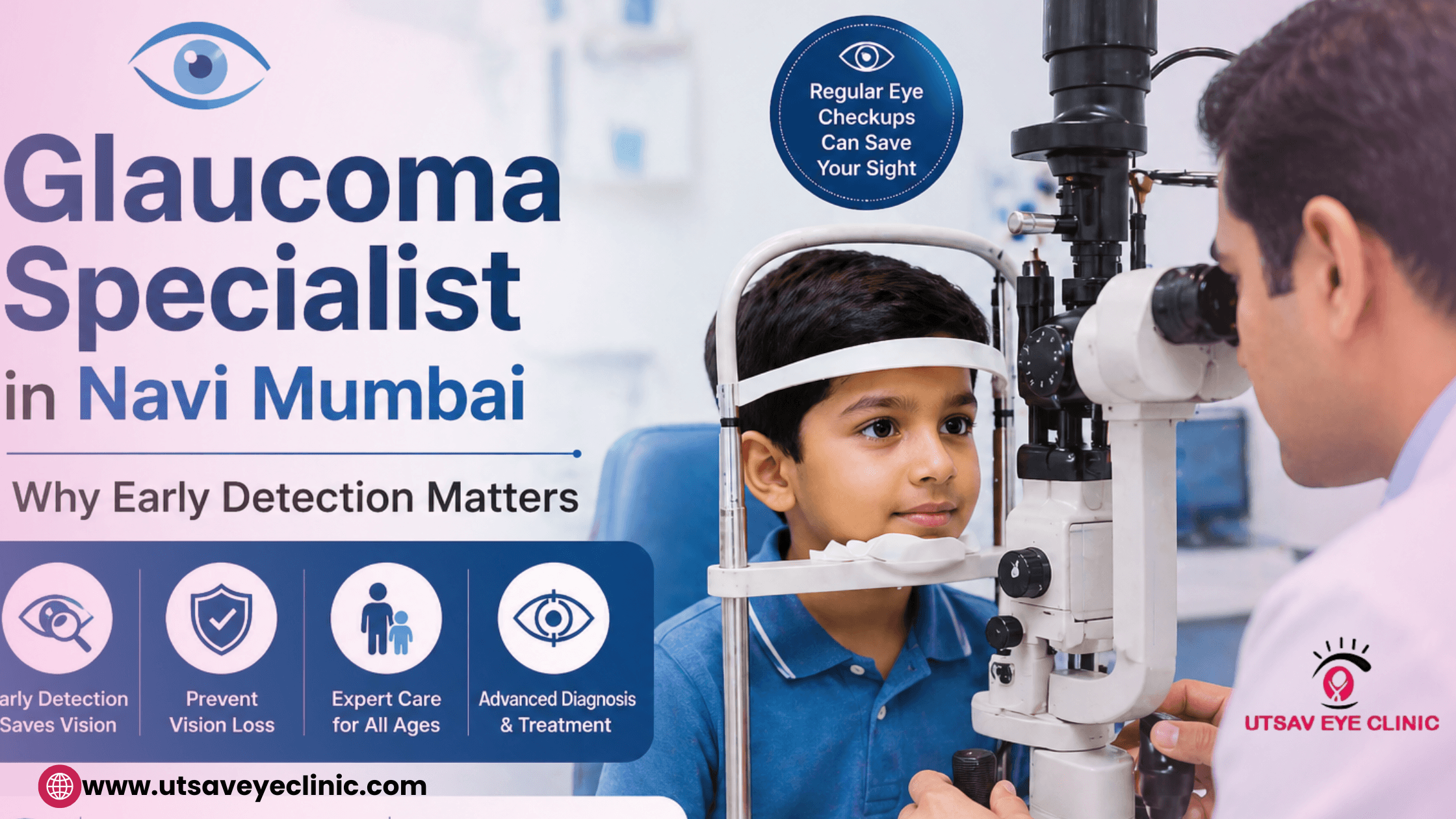
Glaucoma is one of the leading causes of irreversible vision loss across the world. What makes this condition dangerous is that it often develops slowly and silently, without obvious symptoms in the early stages. Many people only realise there is a problem when vision damage has already started. That is why early diagnosis and timely treatment are essential.
If you or a loved one is concerned about glaucoma in Navi Mumbai, regular eye screenings can make a major difference. With expert care and modern diagnostic tools, glaucoma can often be managed successfully before serious vision loss occurs.
What Is Glaucoma?
Glaucoma is a group of eye conditions that damage the optic nerve, which carries visual information from the eye to the brain. This damage is commonly linked to increased pressure inside the eye, though glaucoma can also occur with normal eye pressure.
Once the optic nerve is damaged, the lost vision cannot be restored. That is why people searching for treatment for glaucoma in Navi Mumbai should not delay evaluation.
Why Is Early Detection So Important?
The biggest challenge with glaucoma is that many patients notice no symptoms in the beginning. Vision loss usually starts at the edges (peripheral vision), so it can go unnoticed for years.
Early detection matters because:
- Vision loss from glaucoma is permanent
- Treatment can slow or stop progression
- Regular monitoring helps preserve eyesight
- Earlier treatment often means better long-term results
People with a family history of glaucoma or anyone above age 40 should consider routine eye checkups for glaucoma in Navi Mumbai.
Understanding Congenital Glaucoma
While glaucoma is often associated with adults, babies and children can also develop it. Congenital glaucoma is a rare but serious condition present at birth or developing early in childhood. It happens when the eye’s drainage system does not form properly, causing pressure to build inside the eye.
Parents should seek urgent care if they notice:
- Excessive tearing
- Sensitivity to light
- Enlarged eyes
- Cloudy cornea
- Frequent eye rubbing
Families looking for congenital glaucoma treatment in Kharghar should know that early treatment can help protect a child’s developing vision.
Common Risk Factors for Glaucoma
Some people are more likely to develop glaucoma than others. Risk factors include:
- Age over 40
- Family history of glaucoma
- Diabetes
- High blood pressure
- Long-term steroid use
- Previous eye injury
- Severe nearsightedness or farsightedness
If any of these apply to you, it is wise to schedule an eye exam for glaucoma in Navi Mumbai before symptoms appear.
How Is Glaucoma Diagnosed?
A glaucoma specialist uses several tests to check eye health and pressure. These may include:
- Eye pressure measurement (tonometry)
- Optic nerve examination
- Visual field testing
- OCT scan to assess nerve fiber damage
- Corneal thickness measurement
These tests help detect glaucoma early, even when vision seems normal.
Treatment Options for Glaucoma
Treatment depends on the type and severity of glaucoma. The main goal is to lower eye pressure and prevent further damage.
- Eye Drops – Prescription eye drops are commonly used to reduce pressure inside the eye.
- Oral Medication – In some cases, medicines may be added for better pressure control.
- Laser Treatment – Laser procedures can help improve fluid drainage from the eye.
- Surgery – In advanced or difficult cases, surgery may be recommended to manage eye pressure.
- Pediatric Care – For children, congenital glaucoma treatment in Kharghar often involves surgery to improve drainage and protect vision as early as possible.
Signs You Should Never Ignore
Even though glaucoma can be silent, some warning signs need quick medical attention:
- Blurred vision
- Gradual side vision loss
- Eye pain
- Halos around lights
- Redness in the eye
- Sudden headache with visual discomfort
If you experience these symptoms, seek prompt care for glaucoma in Navi Mumbai.
Why Timely Care Matters for Children
Children cannot always explain what they are seeing. If congenital glaucoma is missed, it can affect lifelong vision development. That is why parents should not ignore tearing, enlarged eyes, or light sensitivity.
Seeking congenital glaucoma treatment in Kharghar at the earliest stage gives children the best chance for healthy visual growth and improved outcomes.
How to Protect Your Vision
Simple habits can help lower risk and support long-term eye health:
- Get routine eye checkups
- Follow prescribed treatment regularly
- Control diabetes and blood pressure
- Avoid self-medicating with steroids
- Inform your doctor about family history
These steps are especially helpful for people at higher risk of glaucoma in Navi Mumbai.
Final Thoughts
Glaucoma does not always show clear warning signs in the early stages, which is why regular eye screenings are so important. With timely diagnosis and the right treatment plan, many people can successfully manage the condition and protect their vision for years to come.
For families seeking trusted care for glaucoma in Navi Mumbai, experienced guidance from Dr. Anand Kumar at Utsav Eye Clinic can help you make informed decisions for long-term eye health. A preventive eye checkup today can be an important step toward protecting eyesight for the future.
More
By Andy
28 Apr, 2026
Children Eye Care
#ChildrenEyeCare, #ChildVisionCare, #EyeClinicNaviMumbai, #EyeDoctorNaviMumbai, #KhargharClinic, #LazyEyeTreatment, #NaviMumbaiDoctors, #SquintTreatment, PediatricOphthalmology, UtsavEyeClinic
Every parent wants their child to grow up healthy and full of life. But when it comes to eye health, most parents do not realize there is a problem until it starts affecting their child’s daily routine. The truth is, children rarely say “I cannot see clearly” they simply adjust and move on. That is exactly why visiting the best eye clinic in Navi Mumbai at the right time can change everything for your child’s future.
Why Children’s Eye Health Deserves Special Attention
A child’s vision develops rapidly between birth and 8 years of age. During this phase, the brain and eyes learn to connect and function together. If any problem goes undetected during this window, it can permanently impact how your child sees the world. A timely visit to an eye specialist in Navi Mumbai can protect your child from years of vision struggles at school, during sports and in everyday life.
Common Children’s Eye Problems We Treat
Children can develop a variety of eye conditions that need expert attention. At our paediatric eye clinic in Navi Mumbai, we diagnose and treat conditions such as:
- Squint (Strabismus) — both eyes pointing in different directions
- Lazy Eye (Amblyopia) — brain ignores one eye causing reduced vision
- Blocked Tear Ducts (CNLDO) — sticky or watery eyes in babies
- Ptosis — upper eyelid drooping down over the eye
- Congenital Glaucoma — fluid pressure building inside a baby’s eye
- Paediatric Cataracts — clouding of the eye lens in children
- Nystagmus — continuous involuntary eye movements
- Retinopathy of Prematurity (ROP) — abnormal eye vessel growth in premature babies
- Refractive Errors — difficulty focusing requiring glasses
Our eye clinic in Kharghar has the expertise and technology to handle every one of these conditions with precision and care.
Warning Signs Parents Should Never Ignore
Your child may not complain but their behaviour speaks volumes. These are the signs you should never miss:
- Constantly tilting or turning the head while watching TV
- Moving extremely close to the screen
- Rubbing or blinking eyes more than usual
- One eye drifting inward or outward
- Sticky or watery discharge in baby’s eyes
- Shutting one eye to focus on something
- Frequent headaches or eye pain
- One eyelid visibly lower than the other
- A white or greyish glow seen inside the pupil
- Struggling to read or copy from the board at school
Even one of these signs is enough reason to consult an eye doctor in Navi Mumbai without any delay.
How to Choose the Best Eye Clinic in Navi Mumbai for Your Child?
Not every eye clinic is equipped to handle children’s eye conditions properly. Keep these important points in mind when choosing:
- A doctor who focuses specifically on paediatric eye care
- A calm and child friendly clinic atmosphere
- Advanced technology for precise and safe diagnosis
- Ability to manage a broad range of conditions under one roof
- A strong history of positive outcomes with real families
- A location conveniently reachable from across Navi Mumbai
Finding the best eye hospital in Navi Mumbai that meets all these standards gives your child the strongest foundation for healthy vision.
How Do We Treat Your Child’s Eye Problems?
We believe every child deserves individual attention. Here is our simple step-by-step approach:
- Step 1 — Complete Eye Examination: A thorough and painless assessment using methods designed for young patients
- Step 2 — Precise Diagnosis: Pinpointing the exact problem so treatment begins in the right direction
- Step 3 — Customized Treatment Plan: A plan tailored to your child’s specific age and condition
- Step 4 — Appropriate Treatment: From glasses and eye patching to surgery, based on what the condition demands
- Step 5 — Consistent Follow-Up: Scheduled visits to track improvement as your child grows
About Us – The Best Eye Clinic in Navi Mumbai for Children
Utsav Eye Clinic is a super-specialty eye care clinic in Kharghar, Navi Mumbai. We were established with one purpose making world class paediatric eye care accessible to every family in the region. Leading our team is Dr. Anand Kumar, a highly skilled paediatric eye specialist with deep expertise in squint, nystagmus, lazy eye and neuro-ophthalmology.
Conclusion
A small eye concern today can quietly grow into a serious challenge tomorrow. Do not wait for symptoms to worsen. Get your child examined by an expert and take the first step towards a lifetime of clear and healthy vision.
Your child deserves to see the world beautifully. Book an appointment today!
Utsav Eye Clinic, Office No.1, First Floor, Riddhi Siddhi Co-op Housing Society, Plot No. 69C, Sector 21, Kharghar, Navi Mumbai, Maharashtra, India 410210
???? Ph: 022 27742553, 9920442553
???? Email: utsaveyeclinic@gmail.com | contact@utsaveyeclinic.com
???? Website: www.utsaveyeclinic.com
More
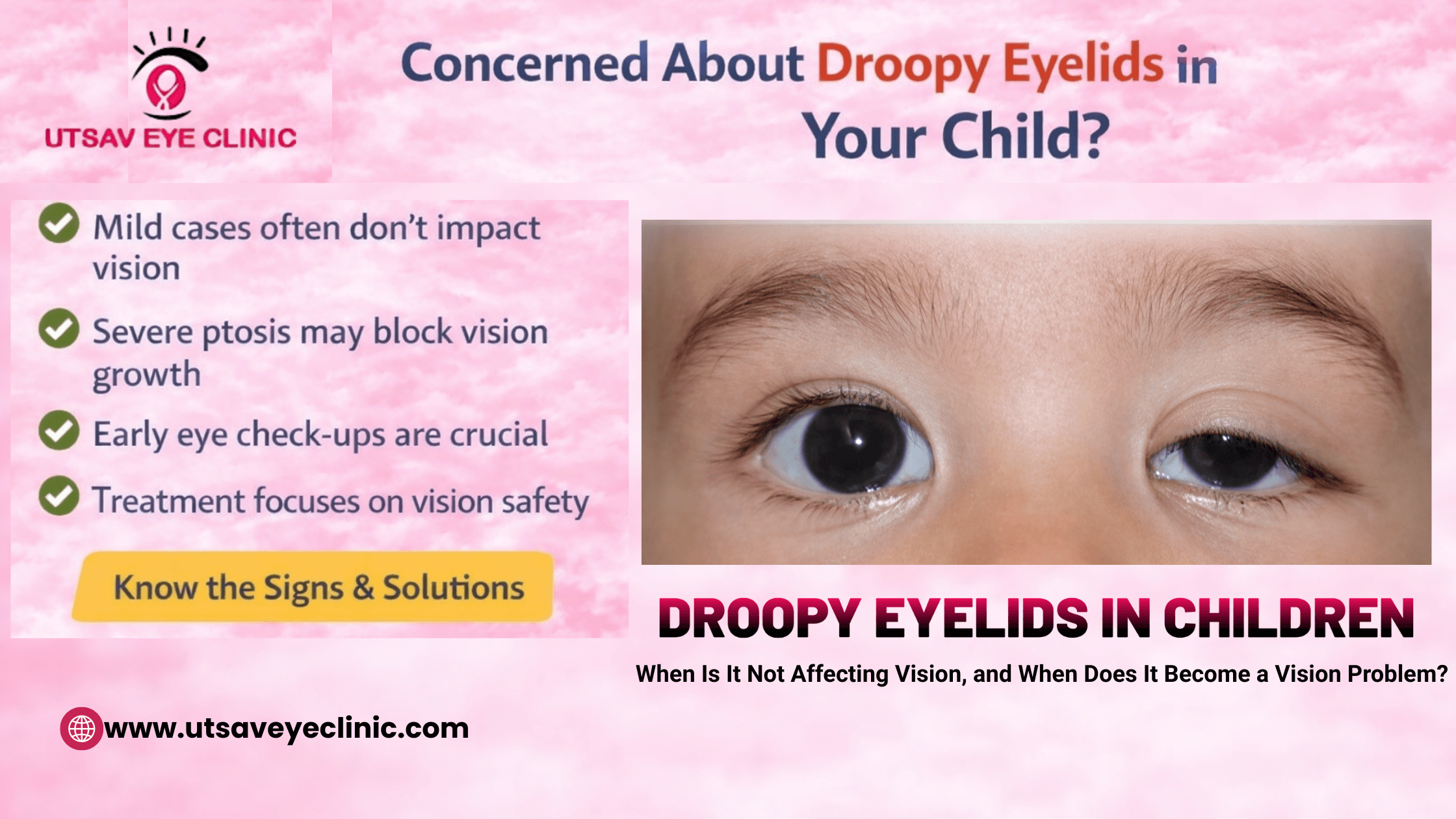
As a parent, noticing that your child’s eyelid looks lower than usual can be worrying. You may wonder if it is simply how their eye looks or if it could affect their eyesight in the future. Drooping of eyelids in children, known medically as ptosis, are sometimes harmless. However, in certain cases, they can interfere with normal vision growth. Understanding the difference helps parents make informed and timely decisions.
Understanding Droopy Eyelids in Children
Ptosis occurs when the upper eyelid sits lower than normal. It may involve one eye or both. Some children are born with this condition, while others may develop it later because of muscle or nerve-related issues. Parents searching for drooping of lids in Navi Mumbai often want to know whether this condition is serious or only affects appearance. The key factor is whether the eyelid is blocking vision.
When Droopy Eyelids Are Not Affecting Vision
In many children, the drooping is mild and does not disturb eyesight. It is usually not a concern if:
- The eyelid does not cover the pupil
- The child can see clearly from both eyes
- There is no need to lift the chin or eyebrows to see better
- Vision tests show healthy development
In such situations, the issue is mostly cosmetic. Doctors may recommend observation and routine check-ups to ensure vision continues to develop normally.
When Drooping of Eyelids Become a Vision Problem
A Drooping of Eyelids becomes a medical concern when it starts interfering with vision. Signs to watch for include:
- The eyelid covering part or all of the pupil
- The child lifting their chin to see properly
- One eye appearing weaker than the other
- Delayed eye contact or visual response
If vision is blocked during early childhood, the brain may not learn to use that eye properly. This can result in lazy eye (amblyopia), which may lead to long-term vision problems if not treated early.
Why Early Eye Check-Ups Matter
Vision develops quickly during the first few years of life. If clear images do not reach the brain, visual development may be affected. Parents looking into ptosis Treatment in Navi Mumbai are usually advised treatment only when eyesight is at risk. In mild cases, simple monitoring may be enough.
How Droopy Eyelids Are Treated
Treatment depends on the severity of the condition:
- Mild ptosis: Regular eye monitoring
- More significant ptosis: Surgery may be recommended
The main goal is always to protect and support vision. Cosmetic improvement is considered secondary. Treatment is carefully planned by an experienced Eye plastic surgeon in Kharghar to ensure safe and appropriate care for each child.
Is Surgery Safe for Children?
If surgery is necessary, it is performed after carefully evaluating the child’s age, eyelid muscle strength, and visual needs. The purpose is to raise the eyelid enough to allow clear vision while maintaining eye safety. Parents considering ptosis surgery at Utsav Eye Clinic receive clear guidance about the procedure, recovery, and follow-up care. After surgery, regular visits help ensure proper healing and healthy visual development.
How Parents Can Support Eye Health at Home
Parents can help maintain their child’s eye health with simple daily habits:
- Observe for signs like squinting or head tilting
- Keep up with regular eye check-ups
- Reduce excessive screen time
- Provide a balanced, nutritious diet
- Ensure proper lighting during reading or studying
- Encourage outdoor activities
- Follow prescribed treatments consistently
Small steps at home can greatly support healthy vision.
Why Choose Utsav Eye Clinic for Ptosis Treatment in Navi Mumbai?
At Utsav Eye Clinic, your child’s vision is always the top priority. Each child with Drooping of Eyelids is thoroughly examined to decide whether treatment or observation is needed. Doctors explain the condition clearly so parents can make confident decisions. Care is personalized based on age, eye health, and visual requirements, especially for families seeking treatment of Drooping of upper lids in Navi Mumbai.
The clinic provides a comfortable and child-friendly environment, helping families feel supported throughout the process.
Final Thoughts
Droopy eyelids in children may appear concerning, but not every case affects vision. The important step is determining whether the eyelid is simply a cosmetic difference or interfering with proper visual development. A detailed eye examination provides clarity and reassurance. With proper guidance from experienced specialists like Dr. Anand Kumar at Utsav Eye Clinic, children with ptosis can receive the right care to ensure healthy and normal vision development.
More
By Dr Anand Kumar
03 Feb, 2026
Diplopia, Neuro-Ophthalmology
#BinocularDiplopia, #Diplopia, #doublevision, #DrAnandKumar, #MonocularDiplopia, #NaviMumbai, #NeuroOphthalmology, EyeCare, EyeHealth, UtsavEyeClinic
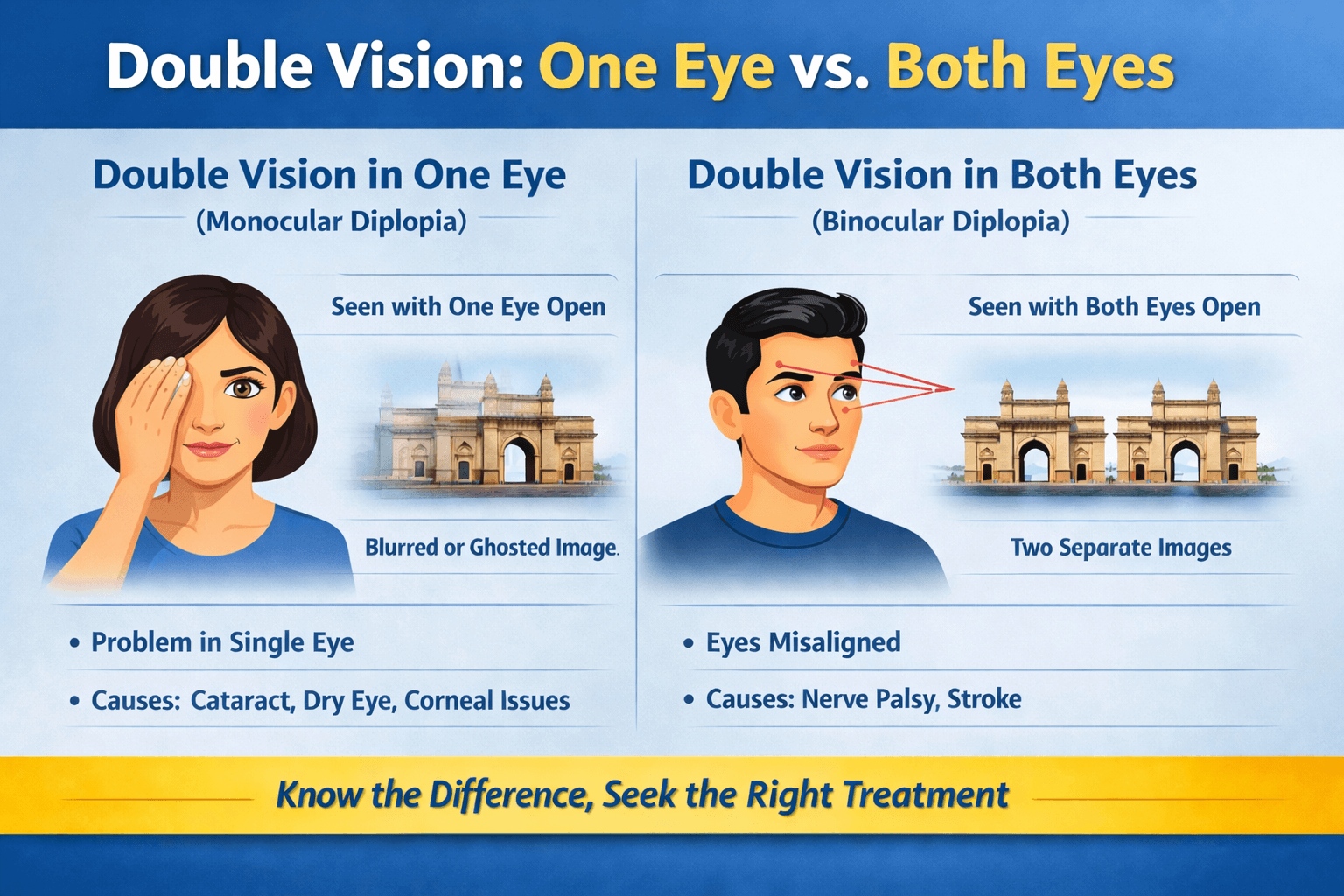
Seeing two images instead of one can be confusing and worrying. This is called diplopia, or double vision. Some people notice it in one eye, while others experience it in both eyes commonly referred to as Double Vision in One Eye vs Both Eyes. Understanding the difference helps doctors figure out the cause and the best treatment.
What Is Double Vision (Diplopia)?
Double vision happens when the eyes don’t work together properly, or there is a problem inside one eye. Images may appear side by side, on top of each other, or slightly tilted. Sometimes double vision is temporary, but in some cases, it may be caused by nerve or brain issues and should not be ignored.
Double Vision in One Eye (Monocular Diplopia)
If double vision continues even when one eye is closed, the problem usually comes from that eye itself. Monocular diplopia means seeing double or multiple images with only one eye open. It usually points to an eye problem rather than a nerve problem. Common causes include refractive errors, cataracts, cornea problems like keratoconus, or severe dry eyes. People may notice ghost images, shadowy vision,
Common causes include:
- Dry eyes
- Cataract
- Corneal problems
- Incorrect glasses or lens power
This kind of double vision is usually linked to the eye’s surface or lens and not to the brain or nerves. With proper treatment, it can often be corrected. You can read more about double vision here.
Double Vision in Both Eyes (Binocular Diplopia)
If vision disappears when you close either eye, it means both eyes are not aligned properly. Binocular diplopia happens when you see two images of one object while both eyes are open. The double vision goes away if you cover one eye. This usually happens because the eyes aren’t moving together correctly, a condition called misalignment or strabismus. It can be caused by nerve problems, muscle issues, or previous injuries. Since binocular diplopia can sometimes be related to neurological issues, it should be checked promptly.
Possible causes include:
- Sixth nerve palsy – affects side-to-side eye movement
- Fourth nerve palsy – causes vertical or tilted double vision
- Third nerve palsy – affects eye movement, eyelid position, and pupil
- Myasthenia gravis – a condition that weakens muscles
- Stroke or brain tumor
These issues usually need evaluation by a neuro-ophthalmologist, a specialist in eye problems related to nerves. If you are looking for the Best Neuro-Ophthalmology services in Navi Mumbai, Utsav Eye Clinic can provide expert care.
How Is Double Vision Diagnosed?
At Utsav Eye Clinic, the goal is to find the exact cause of double vision, not just treat the symptom.
Tests may include:
- A detailed eye exam
- Eye movement checks
- Nerve tests
- Blood tests or imaging if needed
Early diagnosis is very important if double vision starts suddenly or gets worse over time. You can also read about diplopia treatment in Navi Mumbai.
How Is Double Vision Treated?
Treatment depends on what is causing the problem.
It may include:
- Glasses or prism lenses
- Treatment for dry eyes or cataracts
- Medicines for nerve or muscle conditions
- Watching and waiting, as some nerve problems improve over time
- Working with other specialists if needed
When Should Double Vision Be Taken Seriously?
Double vision (diplopia) should be checked quickly if:
- It starts suddenly or appears for the first time
- It lasts for several hours or keeps coming back
- It comes with headache or eye pain
- It happens with dizziness or balance problems
- There is weakness in the face, arms, or legs
- Speech becomes slurred
In some cases, double vision can signal serious conditions like stroke, aneurysm, brain tumor, or neurological disorders. Prompt attention helps find the cause and get treatment quickly.
Why Choose Dr. Anand Kumar at Utsav Eye Clinic in Navi Mumbai for Eye Care
If you have double vision or problems with your eye nerves, it’s important to see the right doctor. Dr. Anand Kumar at Utsav Eye Clinic, in Navi Mumbai, provides expert care for these problems. Patients get careful exams, easy-to-understand explanations, and treatment plans suited to their needs. With years of experience, Dr. Anand Kumar ensures professional and caring care for every patient. The clinic is also easy to reach in Navi Mumbai, making it simple to get the help you need.
Final Thoughts
seeing double vision may look similar, but the causes can be very different. Some cases are simple and easy to treat, while others may be related to serious nerve or brain problems.
Getting checked early helps ensure the right diagnosis and proper care. Patients get expert guidance and treatment from Dr. Anand Kumar, helping restore clear and comfortable vision.
More
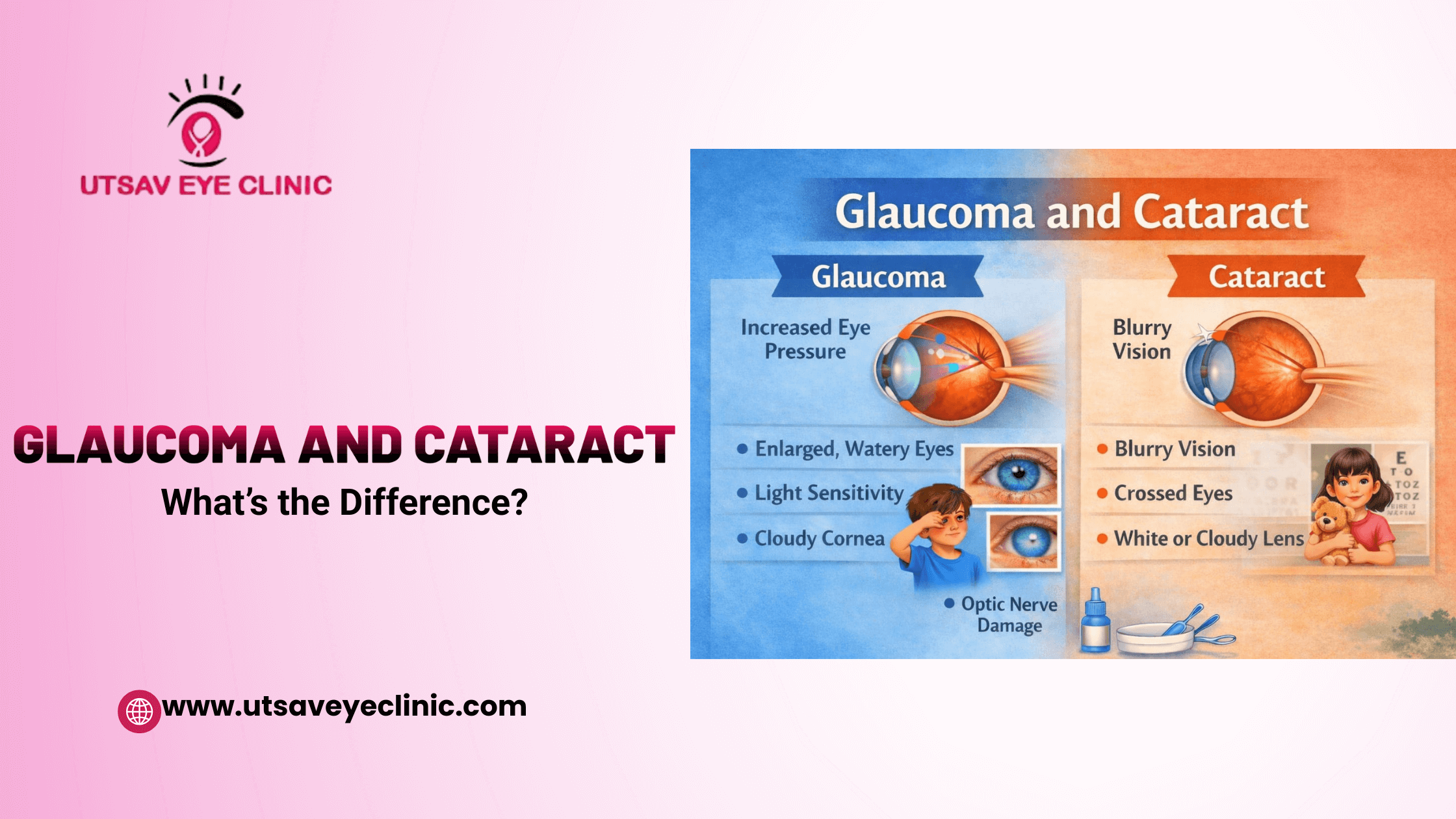
Many parents in Navi Mumbai worry when their children show signs of vision problems. Two common eye conditions in kids are Glaucoma and Cataract, but they are very different. Understanding the difference can help you get timely treatment and protect your child’s vision.
What is Glaucoma in Children?
Glaucoma happens when there is high intra-ocular pressure in the eye. In children, it can be congenital, meaning they are born with it. This increased pressure can damage the optic nerve, which may lead to vision loss if not treated early. Signs of congenital glaucoma include:
- Excessive tearing
- Sensitivity to light
- Enlarged eyes
- Cloudy cornea
If your child shows any of these symptoms, it’s important to seek congenital glaucoma Treatment in Navi Mumbai. Early detection and treatment can protect your child’s vision for life.
Types of Glaucoma
Glaucoma in children can be classified into a few types, with the most common being:
- Congenital Glaucoma: Present at birth due to problems with the eye’s drainage system.
- Juvenile Glaucoma: Develops in older children and teenagers, often linked to genetic factors.
What is Cataract in Children?
Cataracts happen when the lens of the eye becomes cloudy, blocking light from reaching the retina. In kids, these are called paediatric cataracts and can affect one or both eyes. Signs include:
- Blurry or cloudy vision
- Trouble seeing in bright light
- Misalignment of the eyes (crossed eyes)
Cataracts in kids need prompt attention because they can affect normal vision development. Paediatric cataracts Treatment in Navi Mumbai can help restore clear vision.
Types of Cataract
Cataracts in children can vary depending on how and when they develop:
- Congenital Cataracts: Present at birth due to genetics or infections during pregnancy.
- Developmental Cataracts: Develop during childhood and may worsen over time.
- Traumatic Cataracts: Caused by eye injuries or accidents.
Causes of Congenital Glaucoma and Paediatric Cataracts
Causes of Congenital Glaucoma
- Abnormal development of the eye’s drainage system, which prevents fluid from draining properly
- Increased intra-ocular pressure due to fluid buildup inside the eye
- Genetic factors or family history of glaucoma
- Rarely, associated with other developmental eye conditions
Causes of Paediatric Cataracts
- Inherited or genetic conditions passed from parents
- Infections during pregnancy, such as viral illnesses, that affect eye development
- Eye injuries or trauma in early childhood
- Other medical conditions or metabolic disorders
Early Symptoms Parents Should Watch Out For in Children’s Eyes
Parents should stay alert for early eye symptoms that may signal glaucoma or cataracts.
For Glaucoma, symptoms may include excessive tearing, sensitivity to light, and enlarged or cloudy eyes.
For Cataracts, signs can include blurry or cloudy vision, white or grey spots in the eyes, and difficulty seeing in bright light.
Paying attention to these early signs can help prevent long-term vision problems.
Are Glaucoma and Cataract Related?
Glaucoma & Cataract are different conditions, but in some cases, they can be connected. Advanced cataracts may sometimes increase eye pressure, while certain glaucoma treatments can affect the lens over time. Regular eye monitoring helps ensure both conditions are managed safely and effectively.
Key Differences
| Feature |
Glaucoma |
Cataract |
| Cause |
High intra-ocular pressure |
Cloudy lens |
| Vision effect |
Damage to optic nerve |
Blurry or cloudy vision |
| Appearance |
Enlarged or watery eyes |
White or cloudy lens |
| Treatment |
Surgery or medication to reduce eye pressure |
Surgery to remove cloudy lens |
Why Choose Utsav Eye Clinic
Utsav Eye Clinic is known for its experienced pediatric eye specialists who understand the unique needs of children’s eye care. The clinic offers child-friendly diagnosis and treatment to ensure young patients feel comfortable and safe throughout their visit. Every child receives personalized care based on their specific condition and needs. With a strong focus on early eye care, the clinic plays an important role in protecting your child’s vision and supporting healthy visual development for the future.
Final Thoughts
Eye conditions like Glaucoma and Cataract can affect a child’s vision early in life, but timely care can make a lasting difference. Being aware of symptoms and understanding these conditions helps parents take the right steps at the right time. Keeping a close watch on your child’s eye health and seeking professional advice when you notice any unusual signs can help safeguard their vision and ensure healthy development. Regular visits to a trusted clinic like Utsav Eye Clinic, Dr. Anand Kumar can provide the reassurance and expert guidance parents need for their child’s eye care.
More
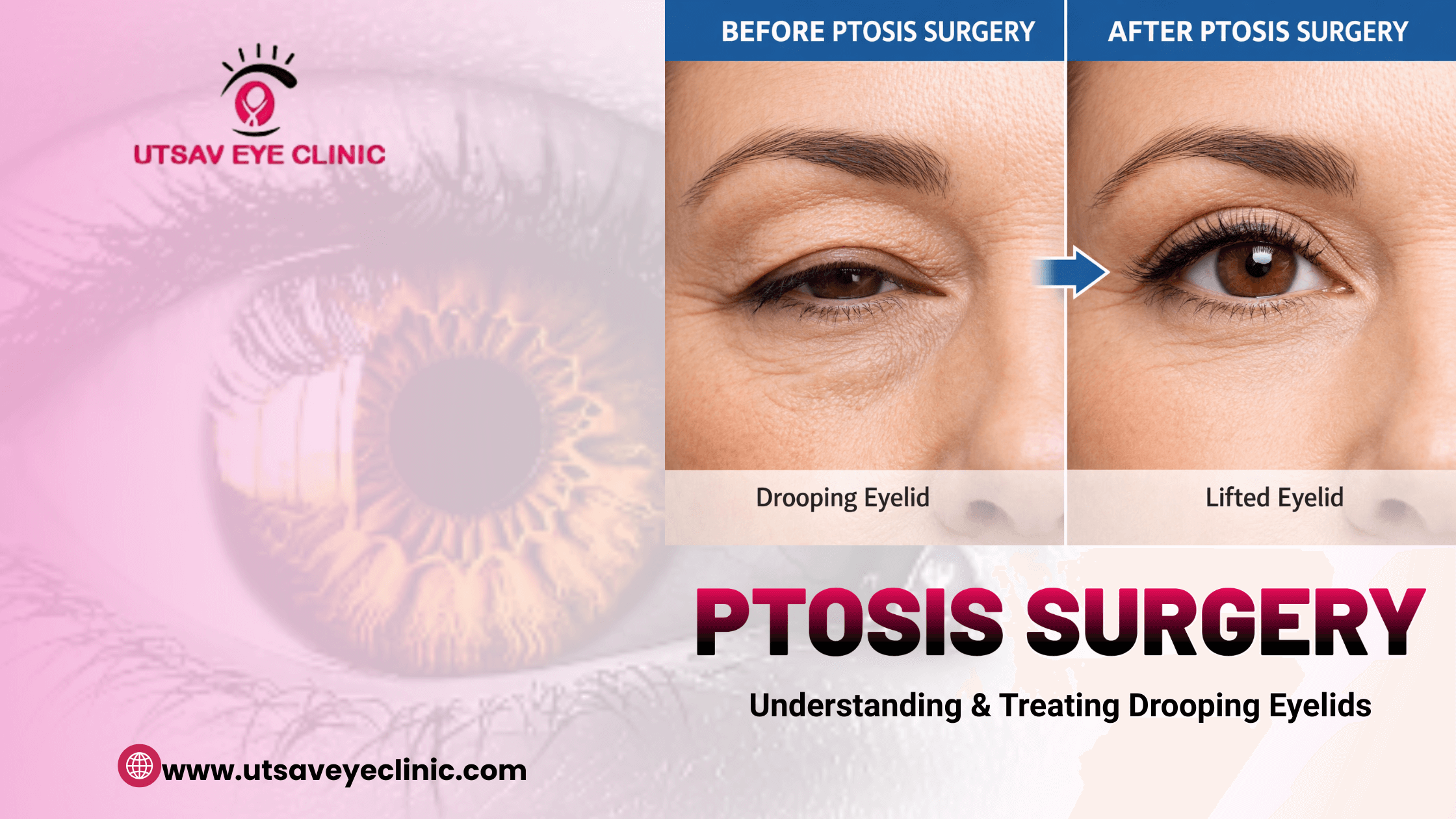
Do you notice your upper eyelids drooping more than usual? This condition is called ptosis surgery, and it can make your eyes look tired, affect your vision, or reduce your confidence. Drooping eyelids can happen slowly over time or may be present from birth. The good news is that ptosis surgery can correct this problem safely and effectively, helping you see well and feel more confident about your appearance.
What Is Eyelid Ptosis?
Eyelid ptosis is when the upper eyelid droops lower than normal. People with ptosis often find that their eyelids partially cover the eye, which can make it harder to see clearly, especially when looking upward. To see better, they may lift their eyebrows or tilt their head back. This extra effort can cause eye strain or headaches over time. If not treated, drooping of the lids can make everyday activities like reading, driving, or using a computer more difficult and tiring.
What Causes Drooping of Lids?
Drooping eyelids can happen because of:
- Weak eyelid muscles that are not strong enough to lift the eyelid properly
- Natural aging, which can cause muscles and skin to weaken
- Nerve problems that affect eyelid movement
- Being born with the condition
Besides affecting vision, many people feel self-conscious about how drooping of lids makes them look, as it can make the eyes appear tired or uneven.
When Is Ptosis Surgery Recommended?
Ptosis surgery is usually recommended when drooping eyelids cause problems with:
- Vision—When eyelids cover part of the eye, it can interfere with daily tasks like reading, driving, or using digital devices.
- Discomfort—Constantly lifting eyebrows or tilting your head can cause headaches, eye strain, or fatigue.
- Appearance—If drooping affects confidence or facial symmetry, surgery can improve how you look.
Consulting an experienced Eye plastic surgeon is important to determine if surgery is right for you and to plan the procedure safely.
How Does Ptosis Surgery Work?
Ptosis surgery works by lifting the eyelid to a normal position. An experienced eye plastic surgeon carefully adjusts or shortens the muscle that lifts the eyelid. In some cases, a sling operation is done to connect the eyelid to the forehead muscle, helping the eyelid open properly. The procedure is usually done under local anesthetic for adults, meaning you are awake but feel no pain. Children may require a general anesthetic.
Preparing for Ptosis Surgery
Before surgery, your eye plastic surgeon will guide you on the steps to prepare:
- Medical check-up: Ensures your eyes and overall health are ready for surgery
- Medication review: Some medicines may need to be paused temporarily
- Lifestyle adjustments: Avoid smoking and follow pre-surgery instructions for a smoother recovery
Proper preparation helps the surgery go well, reduces complications, and ensures the best results for your drooping of lids.
Risks and Benefits of Ptosis Surgery
Like all surgeries, ptosis surgery has some risks, but the benefits usually outweigh them.
Benefits:
- Better vision if drooping eyelids were blocking sight
- A more refreshed and balanced appearance
- Reduced eye strain and fewer headaches
Possible Risks:
- Temporary swelling or bruising
- Mild discomfort while healing
- Rarely, uneven eyelids or infection
A qualified eye plastic surgeon can minimise risks and guide you through recovery to ensure the best outcome.
Why Choose Expert Care with Dr. Anand Kumar at Utsav Eye Clinic?
Choosing a skilled eye plastic surgeon is important for safe and effective results. Specialists like Dr Anand Kumar at Utsav Eye Clinic use modern techniques and safe methods to help improve both vision and appearance. Proper guidance ensures the surgery is done precisely, and patients can enjoy better vision and a refreshed look.
Final Thoughts
Drooping eyelids can affect vision and confidence, but with the right care, they can be successfully treated. Experts like Dr. Anand Kumar at Utsav Eye Clinic help patients achieve improved vision, a refreshed appearance, and an easier daily life. If you notice signs of ptosis or struggle with drooping of lids, consulting a specialist can help you understand the best treatment options and plan surgery safely. Taking that step can make a real difference in how you see and how the world sees you.
More
A child’s eyes are crucial for learning, playing, and exploring the world around them. Clear vision helps kids read better, stay active, and feel confident. Taking care of their eyes from an early age can prevent problems in the future. At Utsav Eye Clinic, children receive gentle and Professional child eye care focused on long-term eye health.
Why Eye Health Is Important for Your Child’s
A child’s vision is essential for learning, playing, and exploring. Healthy eyes allow them to read clearly, recognize colors, follow instructions, and participate in sports and games. Poor vision can make learning harder, cause headaches, and even affect confidence and social interactions.
Early attention to child eye care can help detect problems like cataract, squint, lazy eyes, or ptosis sooner, making treatment easier and more effective. Regular check-ups, healthy habits, and protection from sunlight or excessive screen time support their overall growth and development.
Eye Conditions Children May Have
Children can develop various eye problems during their growth that require attention:
- Cataract: Clouding of the eye lens that affects vision
- Glaucoma: Increased eye pressure that can harm vision if untreated
- Diabetic retinopathy: Seen in children with diabetes and requires monitoring
- Strabismus / Squint: Eyes not aligned properly
- Ptosis: Drooping eyelids that may block vision
- Blocked tear ducts: Causes watery eyes in infants
- Lazy Eyes (Amblyopia): Weaker vision in one eye during early childhood
- Nystagmus: Uncontrolled eye movements that make focusing difficult
Early detection of these conditions makes treatment more effective and manageable.
How to Care for Your Child’s Eye Health?
Since children’s eyes are still developing, early care is very important. Simple daily habits can protect vision and support healthy growth.
- Give Your Child Healthy Food
Eating a balanced diet with fruits, vegetables, nuts, and other nutritious foods helps maintain eye health. Include vitamins like A, C, E, omega-3 fatty acids, and minerals.
- Encourage Eye Use Through Play
Play with bright toys, peek-a-boo, or clapping games helps children focus better and improves hand-eye coordination.
- Protect Eyes from Sunlight and Screens
Use hats or protective eyewear outdoors, and limit time on phones, tablets, or TVs to reduce eye strain.
- Go for Regular Eye Check-Ups
Routine visits to an eye doctor ensure your child eyes are developing properly and help catch problems early.
How to Keep Your Child’s Vision Healthy
Healthy vision supports learning, play, and overall growth. Parents can help by:
- Scheduling regular eye check-ups
- Encouraging outdoor activities
- Limiting screen time
- Providing a nutritious diet with vitamins and omega-3s
- Using protective eye wear during outdoor activities
- Watching for signs of vision problems like squinting or difficulty focusing
What Are Some Safety Tips that Parents Can Use for Their Children’s Eye Health?
Parents can take simple measures to keep their child’s eyes safe:
- Supervise playtime: Ensure children avoid objects that may hurt their eyes
- Use protective glasses: Goggles for sports like cycling, cricket, or swimming
- Protect from sunlight: Sunglasses and hats keep eyes safe from UV rays
- Keep chemicals out of reach: Store cleaners and chemicals safely
- Limit screen time: Take breaks and ensure proper lighting when using devices
- Teach safe habits: Remind children not to rub or poke their eyes
Best Pediatric Child Eye Specialist in Kharghar, Navi Mumbai
For expert care of your child’s eyes, Dr. Anand Kumar is a trusted name in Kharghar, Navi Mumbai. With years of experience in pediatric eye care, he helps children with vision problems such as squint (strabismus), lazy eyes (amblyopia), cataracts, blocked tear ducts, and more.
At Utsav Eye Clinic team provides a gentle and friendly approach, making eye exams and treatments comfortable for children. Parents can rely on his expertise to monitor their child’s vision, detect problems early, and provide the best treatment for healthy eyesight.
How Expert Care Makes a Difference
A child-friendly clinic with modern equipment and experienced doctors makes eye visits stress-free. At Utsav Eye Clinic, children receive thorough eye exams and clear guidance, giving parents confidence. The clinic focuses on long-term eye health rather than just quick fixes.
Final Thought
Taking care of your child eye is important for their learning, play, and overall development. Simple habits like a balanced diet, outdoor activities, protecting their eyes from sunlight, and regular eye check-ups can make a big difference.
If you notice any vision issues or want to ensure your child eyes are healthy, it’s best to consult an experienced pediatric eye specialist. Visit Utsav Eye Clinic in Kharghar, Navi Mumbai, where children receive gentle, professional care for clear and healthy vision.
More
Children explore the world with curiosity and excitement. When vision is affected by paediatric cataracts, clarity can be reduced, impacting daily activities. Identifying the condition early helps support healthy visual development.Clear vision is very important for them to learn, play, and grow with confidence. Sometimes, children may develop cataracts, a condition where the lens inside the eye becomes cloudy. This prevents light from passing through properly, making vision blurry or unclear. Early care is essential to keep young eyes healthy and bright.
What Are Paediatric Cataracts?
Paediatric cataracts occur when a child’s eye lens is partly or completely cloudy. The lens focuses light so children can see clearly. When it is cloudy, children may have difficulty seeing objects, recognizing faces, or focusing on small details.
Some children are born with developmental cataracts, while others may develop them as they grow. With timely care and proper attention, children can maintain good vision and enjoy their daily activities without difficulty.
Causes of Cataracts in Children
- Cataracts present from birth: Some babies are born with cloudy lenses due to genetics or natural changes during pregnancy. These are called developmental cataracts.
- Family history: Cataracts can be inherited. If parents or close relatives had early cataracts, a child may have a higher risk of developing them.
- Eye injury: Trauma or a strong hit to the eye during play or sports can lead to a traumatic cataract.
- Health-related factors: Certain illnesses, infections, or long-term use of medications can also cause cataracts.
- Regular eye checkups: Timely checkups help detect changes early and maintain a child’s vision health.
Symptoms of Cataracts in Children
Children may not always notice or communicate vision problems, so parents need to observe carefully. Common signs of paediatric cataracts include:
- Cloudy or blurred vision
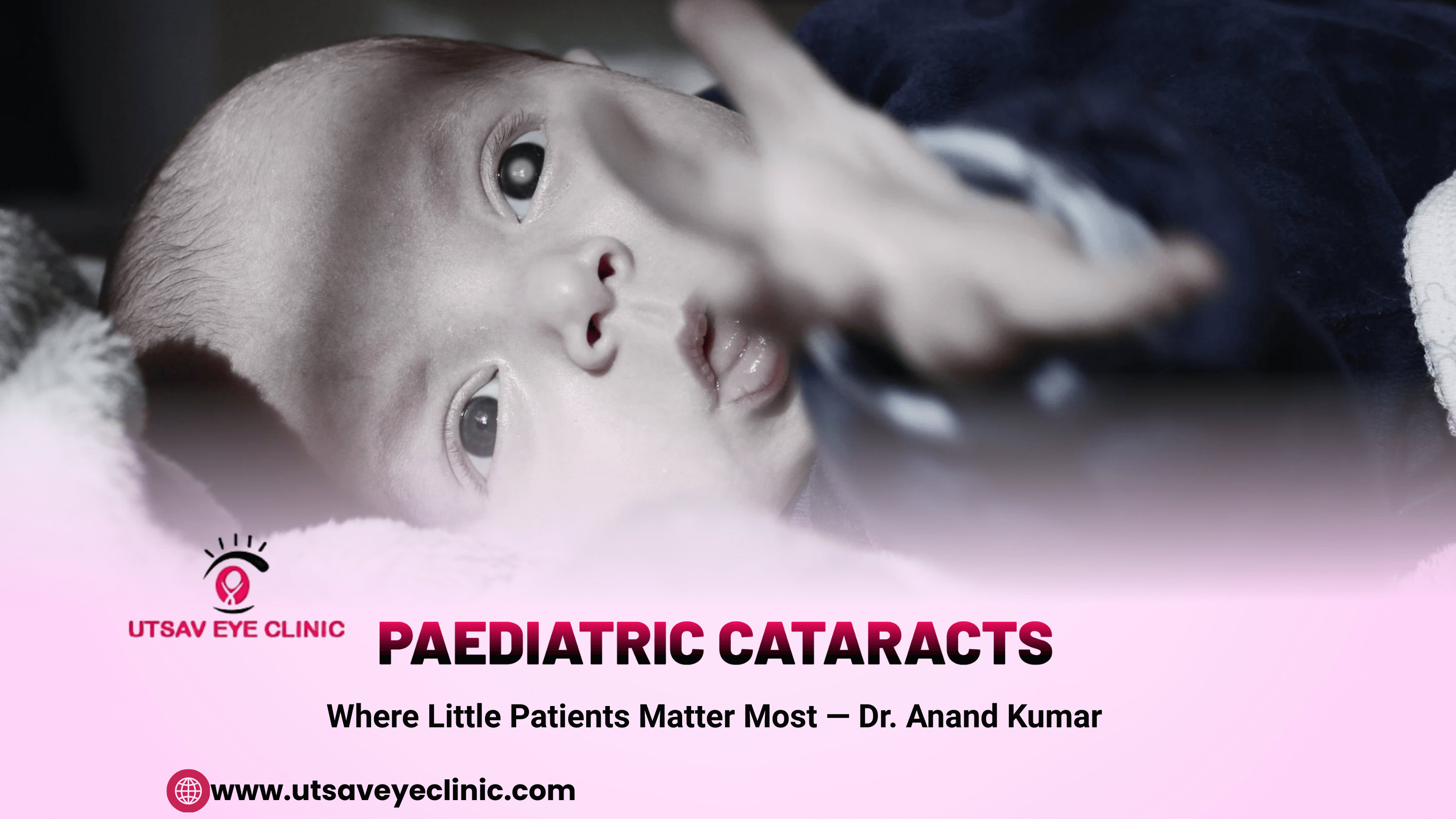
- A white or grey appearance in the pupil
- Sensitivity to bright light
- Eyes that drift or do not move together
- Difficulty focusing on toys, objects, or faces
- Reduced interest in visual play
- Unusual eye movements or squinting
Even minor changes in vision or behavior can indicate cataracts. Early consultation with a child eye specialist ensures proper care.
When Is Cataract Eye Surgery Needed for Children?
Cataract surgery may be recommended if the cloudy lens affects a child’s vision or eye development. Surgery is usually considered when:
- The cataract is large or blocks central vision
- Vision problems interfere with daily activities
- Both eyes are affected, limiting learning or play
- Eye development may be at risk
A paediatric eye specialist determines the right time for surgery. Early treatment helps prevent long-term vision problems.
What Happens During and After Cataract Surgery?
During surgery, the cloudy lens is gently removed while the child is under anesthesia. In many cases, an artificial lens is implanted to help the eye focus. The procedure is safe and performed with care.
After surgery, children may need glasses or contact lenses for some time. Eye drops and follow-up visits help prevent infection and ensure proper healing. Most children recover quickly and notice improved vision. Regular checkups continue as the child grows to maintain healthy eyesight.
Why Early Detection Matters
Good vision is essential for learning, confidence, and healthy development. When cataracts are detected early, children can continue to enjoy bright and clear vision.
Delaying care can lead to permanent vision issues, making it harder to see clearly even after treatment. Early checkups and timely care help children reach their full potential.
How Parents Can Support Their Child
Parents play a vital role in monitoring their child’s vision. Steps to help include:
- Taking children for regular eye checkups, especially infants and toddlers
- Observing for signs of blurred vision or unusual eye behavior
- Ensuring children wear protective eyewear during sports or outdoor activities
- Sharing family eye health history with the doctor
Creating a supportive environment and seeking timely medical attention can greatly improve a child’s vision health.
Expert Care at Utsav Eye Clinic
Utsav Eye Clinic in Navi Mumbai provides expert care for children with cataracts. Families receive guidance and support to understand the condition and explore the best treatment options. Early care ensures children maintain healthy vision and enjoy life to the fullest.
Final Thoughts
Every child deserves a bright and colorful world. Understanding the causes and symptoms of cataracts helps parents notice early signs and take action. With early care and support, little eyes can remain healthy, clear, and full of curiosity and joy. Dr Anand Kumar emphasizes that timely checkups and professional guidance are key to ensuring children’s vision stays bright and strong. At Utsav Eye Clinic, families can access the right advice and care to help their children maintain healthy vision, giving them the best start for a clear and confident future.
More