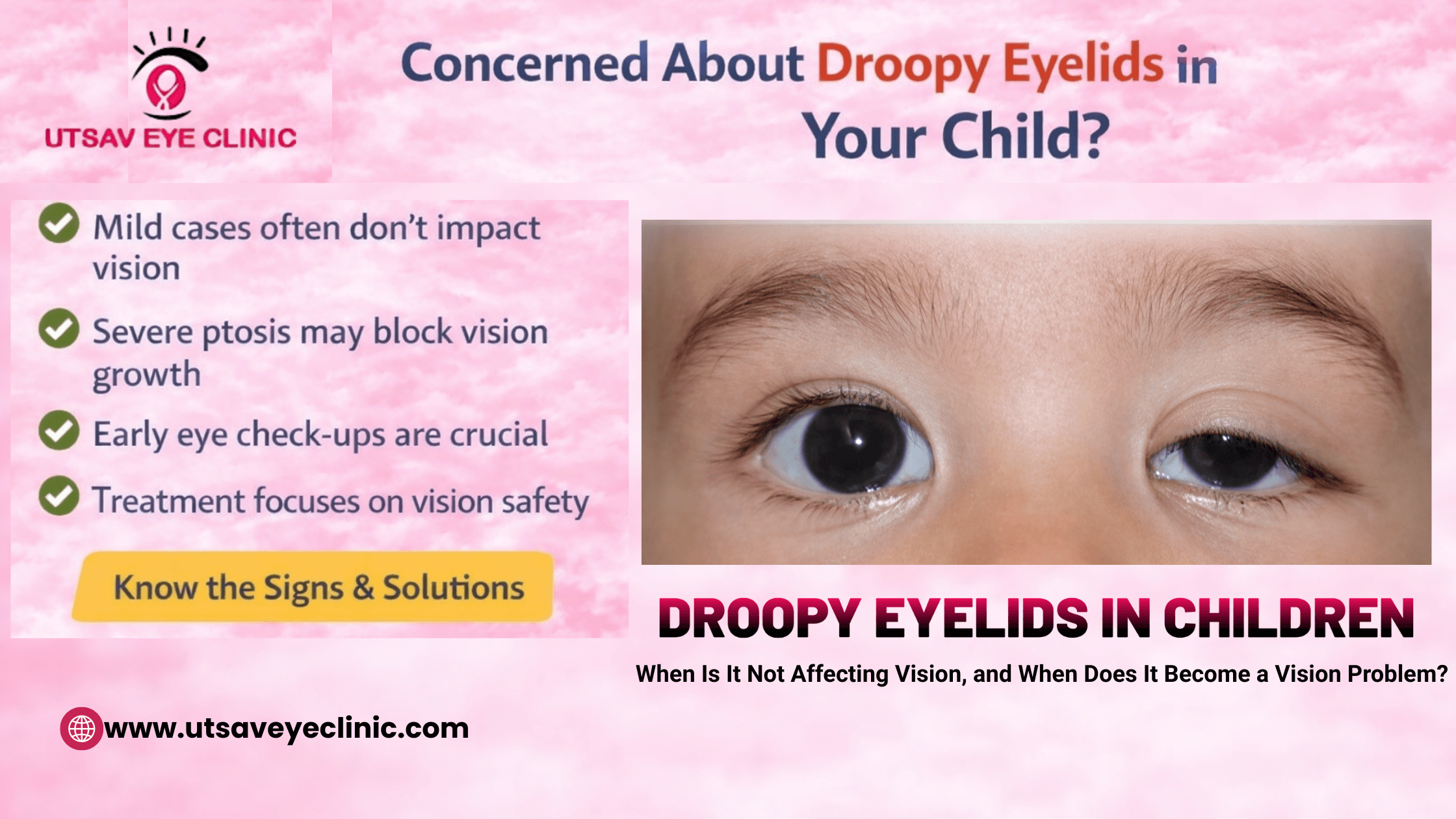
As a parent, noticing that your child’s eyelid looks lower than usual can be worrying. You may wonder if it is simply how their eye looks or if it could affect their eyesight in the future. Drooping of eyelids in children, known medically as ptosis, are sometimes harmless. However, in certain cases, they can interfere with normal vision growth. Understanding the difference helps parents make informed and timely decisions.
Understanding Droopy Eyelids in Children
Ptosis occurs when the upper eyelid sits lower than normal. It may involve one eye or both. Some children are born with this condition, while others may develop it later because of muscle or nerve-related issues. Parents searching for drooping of lids in Navi Mumbai often want to know whether this condition is serious or only affects appearance. The key factor is whether the eyelid is blocking vision.
When Droopy Eyelids Are Not Affecting Vision
In many children, the drooping is mild and does not disturb eyesight. It is usually not a concern if:
- The eyelid does not cover the pupil
- The child can see clearly from both eyes
- There is no need to lift the chin or eyebrows to see better
- Vision tests show healthy development
In such situations, the issue is mostly cosmetic. Doctors may recommend observation and routine check-ups to ensure vision continues to develop normally.
When Drooping of Eyelids Become a Vision Problem
A Drooping of Eyelids becomes a medical concern when it starts interfering with vision. Signs to watch for include:
- The eyelid covering part or all of the pupil
- The child lifting their chin to see properly
- One eye appearing weaker than the other
- Delayed eye contact or visual response
If vision is blocked during early childhood, the brain may not learn to use that eye properly. This can result in lazy eye (amblyopia), which may lead to long-term vision problems if not treated early.
Why Early Eye Check-Ups Matter
Vision develops quickly during the first few years of life. If clear images do not reach the brain, visual development may be affected. Parents looking into ptosis Treatment in Navi Mumbai are usually advised treatment only when eyesight is at risk. In mild cases, simple monitoring may be enough.
How Droopy Eyelids Are Treated
Treatment depends on the severity of the condition:
- Mild ptosis: Regular eye monitoring
- More significant ptosis: Surgery may be recommended
The main goal is always to protect and support vision. Cosmetic improvement is considered secondary. Treatment is carefully planned by an experienced Eye plastic surgeon in Kharghar to ensure safe and appropriate care for each child.
Is Surgery Safe for Children?
If surgery is necessary, it is performed after carefully evaluating the child’s age, eyelid muscle strength, and visual needs. The purpose is to raise the eyelid enough to allow clear vision while maintaining eye safety. Parents considering ptosis surgery at Utsav Eye Clinic receive clear guidance about the procedure, recovery, and follow-up care. After surgery, regular visits help ensure proper healing and healthy visual development.
How Parents Can Support Eye Health at Home
Parents can help maintain their child’s eye health with simple daily habits:
- Observe for signs like squinting or head tilting
- Keep up with regular eye check-ups
- Reduce excessive screen time
- Provide a balanced, nutritious diet
- Ensure proper lighting during reading or studying
- Encourage outdoor activities
- Follow prescribed treatments consistently
Small steps at home can greatly support healthy vision.
Why Choose Utsav Eye Clinic for Ptosis Treatment in Navi Mumbai?
At Utsav Eye Clinic, your child’s vision is always the top priority. Each child with Drooping of Eyelids is thoroughly examined to decide whether treatment or observation is needed. Doctors explain the condition clearly so parents can make confident decisions. Care is personalized based on age, eye health, and visual requirements, especially for families seeking treatment of Drooping of upper lids in Navi Mumbai.
The clinic provides a comfortable and child-friendly environment, helping families feel supported throughout the process.
Final Thoughts
Droopy eyelids in children may appear concerning, but not every case affects vision. The important step is determining whether the eyelid is simply a cosmetic difference or interfering with proper visual development. A detailed eye examination provides clarity and reassurance. With proper guidance from experienced specialists like Dr. Anand Kumar at Utsav Eye Clinic, children with ptosis can receive the right care to ensure healthy and normal vision development.
More
A child’s eyes are crucial for learning, playing, and exploring the world around them. Clear vision helps kids read better, stay active, and feel confident. Taking care of their eyes from an early age can prevent problems in the future. At Utsav Eye Clinic, children receive gentle and Professional child eye care focused on long-term eye health.
Why Eye Health Is Important for Your Child’s
A child’s vision is essential for learning, playing, and exploring. Healthy eyes allow them to read clearly, recognize colors, follow instructions, and participate in sports and games. Poor vision can make learning harder, cause headaches, and even affect confidence and social interactions.
Early attention to child eye care can help detect problems like cataract, squint, lazy eyes, or ptosis sooner, making treatment easier and more effective. Regular check-ups, healthy habits, and protection from sunlight or excessive screen time support their overall growth and development.
Eye Conditions Children May Have
Children can develop various eye problems during their growth that require attention:
- Cataract: Clouding of the eye lens that affects vision
- Glaucoma: Increased eye pressure that can harm vision if untreated
- Diabetic retinopathy: Seen in children with diabetes and requires monitoring
- Strabismus / Squint: Eyes not aligned properly
- Ptosis: Drooping eyelids that may block vision
- Blocked tear ducts: Causes watery eyes in infants
- Lazy Eyes (Amblyopia): Weaker vision in one eye during early childhood
- Nystagmus: Uncontrolled eye movements that make focusing difficult
Early detection of these conditions makes treatment more effective and manageable.
How to Care for Your Child’s Eye Health?
Since children’s eyes are still developing, early care is very important. Simple daily habits can protect vision and support healthy growth.
- Give Your Child Healthy Food
Eating a balanced diet with fruits, vegetables, nuts, and other nutritious foods helps maintain eye health. Include vitamins like A, C, E, omega-3 fatty acids, and minerals.
- Encourage Eye Use Through Play
Play with bright toys, peek-a-boo, or clapping games helps children focus better and improves hand-eye coordination.
- Protect Eyes from Sunlight and Screens
Use hats or protective eyewear outdoors, and limit time on phones, tablets, or TVs to reduce eye strain.
- Go for Regular Eye Check-Ups
Routine visits to an eye doctor ensure your child eyes are developing properly and help catch problems early.
How to Keep Your Child’s Vision Healthy
Healthy vision supports learning, play, and overall growth. Parents can help by:
- Scheduling regular eye check-ups
- Encouraging outdoor activities
- Limiting screen time
- Providing a nutritious diet with vitamins and omega-3s
- Using protective eye wear during outdoor activities
- Watching for signs of vision problems like squinting or difficulty focusing
What Are Some Safety Tips that Parents Can Use for Their Children’s Eye Health?
Parents can take simple measures to keep their child’s eyes safe:
- Supervise playtime: Ensure children avoid objects that may hurt their eyes
- Use protective glasses: Goggles for sports like cycling, cricket, or swimming
- Protect from sunlight: Sunglasses and hats keep eyes safe from UV rays
- Keep chemicals out of reach: Store cleaners and chemicals safely
- Limit screen time: Take breaks and ensure proper lighting when using devices
- Teach safe habits: Remind children not to rub or poke their eyes
Best Pediatric Child Eye Specialist in Kharghar, Navi Mumbai
For expert care of your child’s eyes, Dr. Anand Kumar is a trusted name in Kharghar, Navi Mumbai. With years of experience in pediatric eye care, he helps children with vision problems such as squint (strabismus), lazy eyes (amblyopia), cataracts, blocked tear ducts, and more.
At Utsav Eye Clinic team provides a gentle and friendly approach, making eye exams and treatments comfortable for children. Parents can rely on his expertise to monitor their child’s vision, detect problems early, and provide the best treatment for healthy eyesight.
How Expert Care Makes a Difference
A child-friendly clinic with modern equipment and experienced doctors makes eye visits stress-free. At Utsav Eye Clinic, children receive thorough eye exams and clear guidance, giving parents confidence. The clinic focuses on long-term eye health rather than just quick fixes.
Final Thought
Taking care of your child eye is important for their learning, play, and overall development. Simple habits like a balanced diet, outdoor activities, protecting their eyes from sunlight, and regular eye check-ups can make a big difference.
If you notice any vision issues or want to ensure your child eyes are healthy, it’s best to consult an experienced pediatric eye specialist. Visit Utsav Eye Clinic in Kharghar, Navi Mumbai, where children receive gentle, professional care for clear and healthy vision.
More
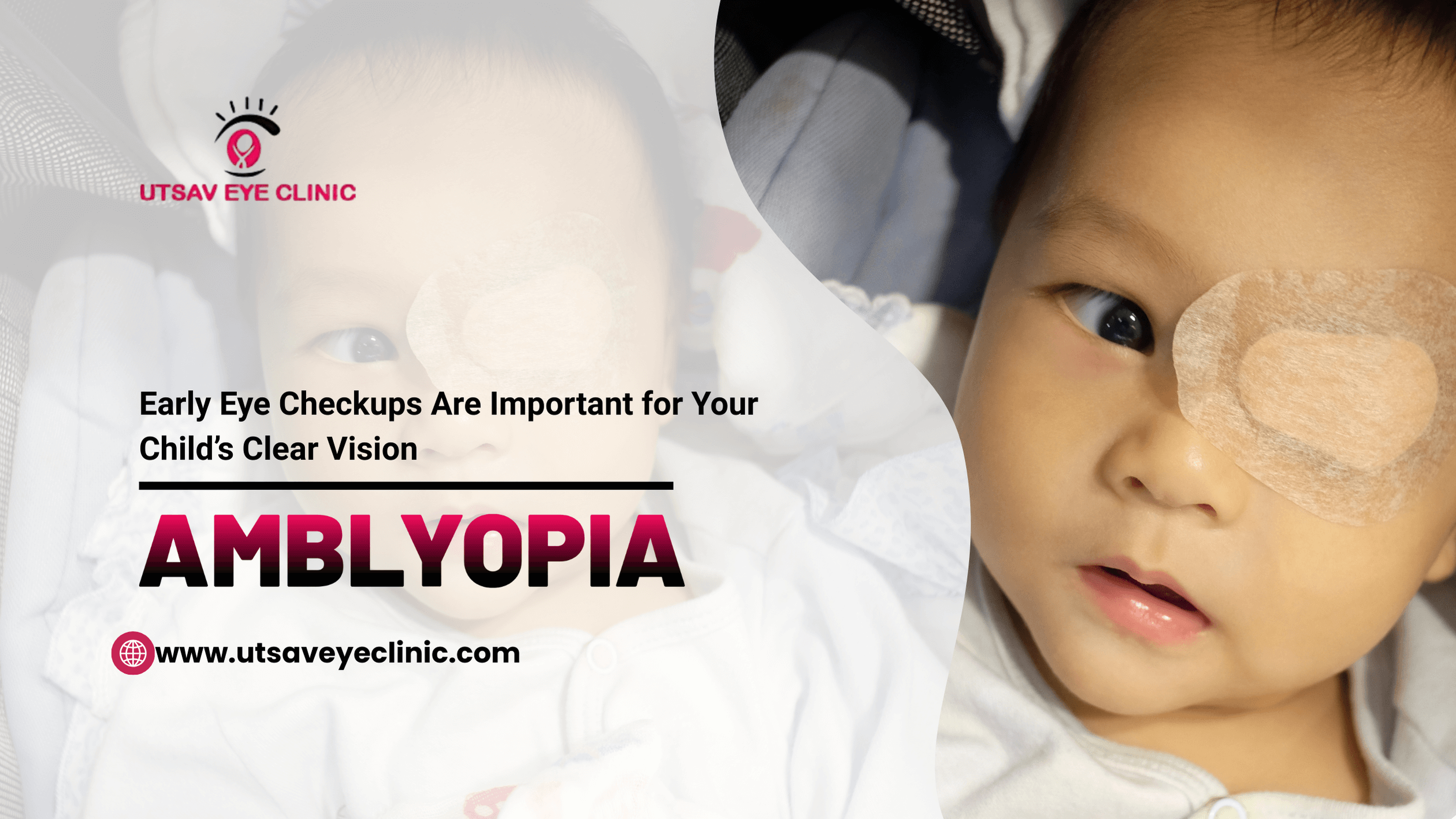
Every parent wants their child to see clearly. Good vision helps children learn, read, and enjoy playtime. Regular eye checkups make sure your child’s eyes grow healthy and strong. Conditions like amblyopia can make one eye weaker if they are not detected and treated early.
Lazy eye happens when one eye is weaker than the other. Identifying it early makes treatment easier and more effective.
What Is Lazy Eye (Amblyopia)?
Lazy eye, also called amblyopia, is when one eye does not see as clearly as the other, even with glasses. The brain usually favors the stronger eye, which can make the weaker eye less effective over time.
Signs of lazy eye include an eye that drifts, squinting, tilting the head, or covering one eye while looking at something. Early treatment, like eye exercises, patching the stronger eye, or wearing glasses, can help the weaker eye get stronger and improve overall vision.
Why Early Eye Checkups Are Important
Children’s eyes develop a lot during the first few years. Small vision problems may not be obvious, but they can affect learning and confidence. Regular checkups help find problems early, before they get worse.
Simple treatments like exercises, patching the stronger eye, or glasses help both eyes work together. Parents should also watch for signs of lazy eyes and seek care promptly.
Why the First Few Years Are Critical for Eye Development
The first few years of life are important for the growth of children’s eyes. During this time, the brain and eyes learn to work together. If one eye is weaker, the brain may rely on the stronger eye, which can make the weaker eye weaker.
Early eye checkups allow doctors to detect problems quickly. Helping eyes develop well in these years gives children a strong foundation for clear vision. Conditions like squint are easier to treat when found early.
Simple Steps Parents Can Take to Support Eye Health
Parents can take easy steps at home to support their child’s vision:
- Schedule Regular Eye Checkups—Even if your child sees well, exams can catch hidden problems.
- Follow the Doctor’s Instructions—Treatments like patching, exercises, or glasses work best when used properly.
- Observe Your Child’s Eyes—Notice if your child squints, tilts their head, or covers one eye.
- Encourage Healthy Habits—Outdoor play, limited screen time, and proper reading distance help protect eyesight.
- Make Eye Care Comfortable—Help your child feel relaxed during checkups and exercises.
Benefits of Early Eye Checkups
Early eye checkups provide many advantages:
- Stronger Vision– Problems can be treated before they worsen.
- Better Eye Coordination– Both eyes can work together for better focus.
- Faster and Easier Treatment– Early treatment is more effective.
- More Confidence—Children with clear vision can read, write, and play without difficulty.
- Lower Risk of Long-Term Eye Issues– Early care reduces the chance of permanent vision problems.
A Gentle Thought for Parents
Good eyesight helps children explore the world and enjoy daily activities. Strong vision makes learning easier and playing more fun. Early eye checkups are a simple way to keep eyes healthy and detect problems before they become serious.
Final Thought
Caring for your child’s eyes from an early age can make a big difference. Regular checkups ensure children develop clear, strong vision.
If you are concerned about your child’s eyesight, now is the right time to consult Dr. Anand Kumar at Utsav Eye Clinic. Early care helps your child enjoy healthy vision and a confident future.
More