Many parents in Navi Mumbai worry when their children show signs of vision problems. Two common eye conditions in kids are Glaucoma and Cataract, but they are very different. Understanding the difference can help you get timely treatment and protect your child’s vision.
What is Glaucoma in Children?
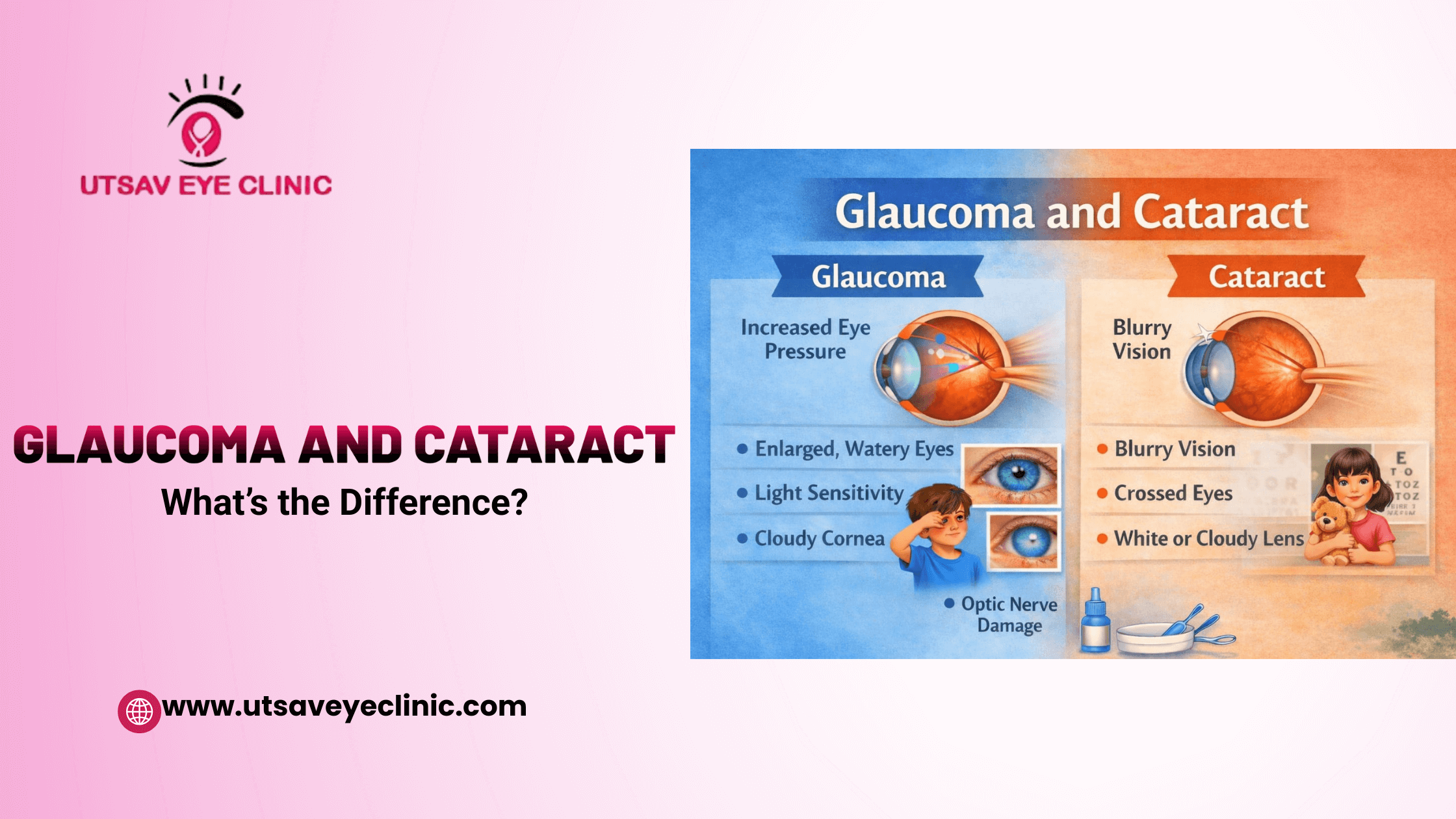
Glaucoma happens when there is high intra-ocular pressure in the eye. In children, it can be congenital, meaning they are born with it. This increased pressure can damage the optic nerve, which may lead to vision loss if not treated early. Signs of congenital glaucoma include:
- Excessive tearing
- Sensitivity to light
- Enlarged eyes
- Cloudy cornea
If your child shows any of these symptoms, it’s important to seek congenital glaucoma Treatment in Navi Mumbai. Early detection and treatment can protect your child’s vision for life.
Types of Glaucoma
Glaucoma in children can be classified into a few types, with the most common being:
- Congenital Glaucoma: Present at birth due to problems with the eye’s drainage system.
- Juvenile Glaucoma: Develops in older children and teenagers, often linked to genetic factors.
What is Cataract in Children?
Cataracts happen when the lens of the eye becomes cloudy, blocking light from reaching the retina. In kids, these are called paediatric cataracts and can affect one or both eyes. Signs include:
- Blurry or cloudy vision
- Trouble seeing in bright light
- Misalignment of the eyes (crossed eyes)
Cataracts in kids need prompt attention because they can affect normal vision development. Paediatric cataracts Treatment in Navi Mumbai can help restore clear vision.
Types of Cataract
Cataracts in children can vary depending on how and when they develop:
- Congenital Cataracts: Present at birth due to genetics or infections during pregnancy.
- Developmental Cataracts: Develop during childhood and may worsen over time.
- Traumatic Cataracts: Caused by eye injuries or accidents.
Causes of Congenital Glaucoma and Paediatric Cataracts
Causes of Congenital Glaucoma
- Abnormal development of the eye’s drainage system, which prevents fluid from draining properly
- Increased intra-ocular pressure due to fluid buildup inside the eye
- Genetic factors or family history of glaucoma
- Rarely, associated with other developmental eye conditions
Causes of Paediatric Cataracts
- Inherited or genetic conditions passed from parents
- Infections during pregnancy, such as viral illnesses, that affect eye development
- Eye injuries or trauma in early childhood
- Other medical conditions or metabolic disorders
Early Symptoms Parents Should Watch Out For in Children’s Eyes
Parents should stay alert for early eye symptoms that may signal glaucoma or cataracts.
For Glaucoma, symptoms may include excessive tearing, sensitivity to light, and enlarged or cloudy eyes.
For Cataracts, signs can include blurry or cloudy vision, white or grey spots in the eyes, and difficulty seeing in bright light.
Paying attention to these early signs can help prevent long-term vision problems.
Are Glaucoma and Cataract Related?
Glaucoma & Cataract are different conditions, but in some cases, they can be connected. Advanced cataracts may sometimes increase eye pressure, while certain glaucoma treatments can affect the lens over time. Regular eye monitoring helps ensure both conditions are managed safely and effectively.
Key Differences
| Feature |
Glaucoma |
Cataract |
| Cause |
High intra-ocular pressure |
Cloudy lens |
| Vision effect |
Damage to optic nerve |
Blurry or cloudy vision |
| Appearance |
Enlarged or watery eyes |
White or cloudy lens |
| Treatment |
Surgery or medication to reduce eye pressure |
Surgery to remove cloudy lens |
Why Choose Utsav Eye Clinic
Utsav Eye Clinic is known for its experienced pediatric eye specialists who understand the unique needs of children’s eye care. The clinic offers child-friendly diagnosis and treatment to ensure young patients feel comfortable and safe throughout their visit. Every child receives personalized care based on their specific condition and needs. With a strong focus on early eye care, the clinic plays an important role in protecting your child’s vision and supporting healthy visual development for the future.
Final Thoughts
Eye conditions like Glaucoma and Cataract can affect a child’s vision early in life, but timely care can make a lasting difference. Being aware of symptoms and understanding these conditions helps parents take the right steps at the right time. Keeping a close watch on your child’s eye health and seeking professional advice when you notice any unusual signs can help safeguard their vision and ensure healthy development. Regular visits to a trusted clinic like Utsav Eye Clinic, Dr. Anand Kumar can provide the reassurance and expert guidance parents need for their child’s eye care.
More
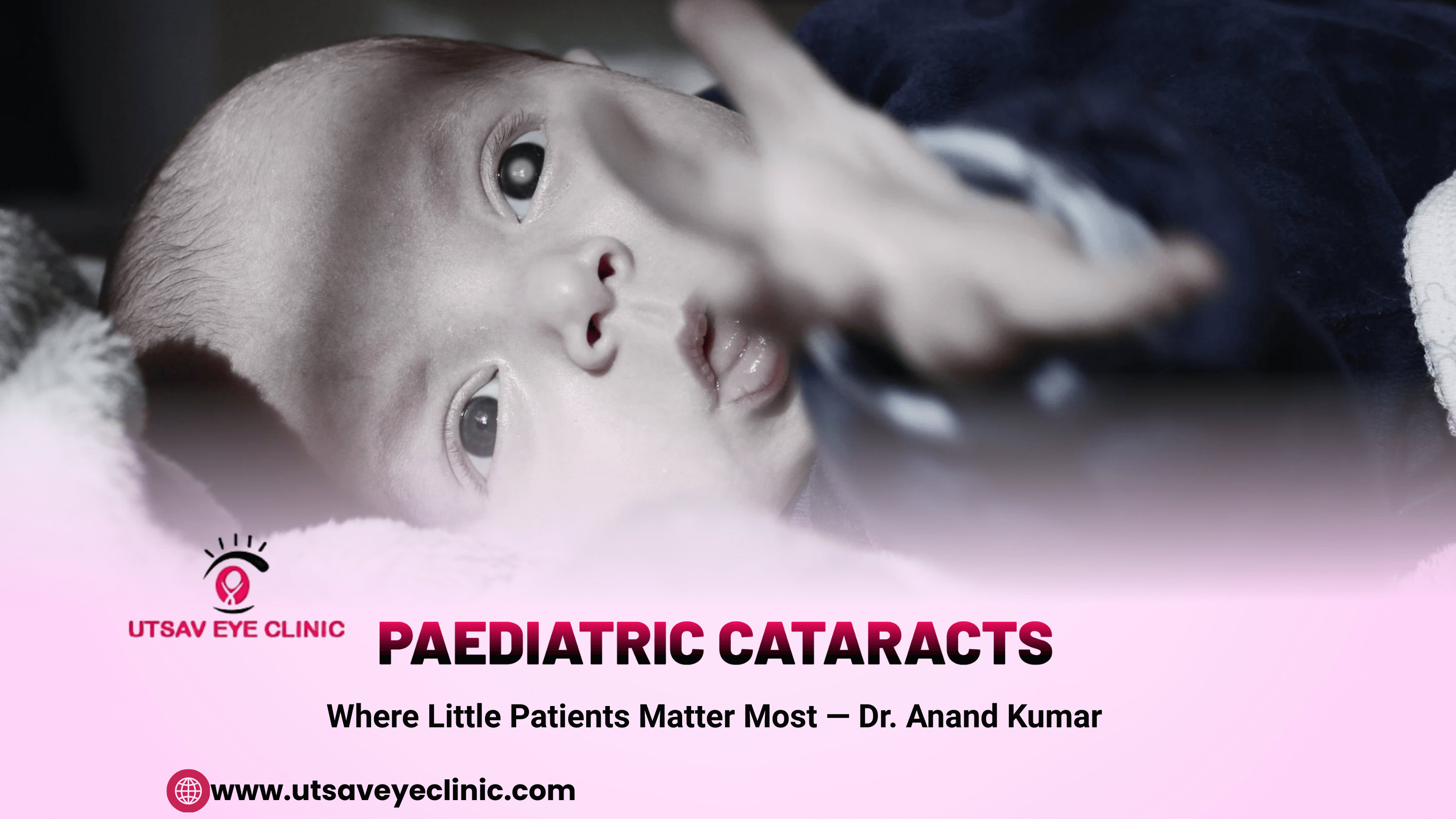
Children explore the world with curiosity and excitement. When vision is affected by paediatric cataracts, clarity can be reduced, impacting daily activities. Identifying the condition early helps support healthy visual development.Clear vision is very important for them to learn, play, and grow with confidence. Sometimes, children may develop cataracts, a condition where the lens inside the eye becomes cloudy. This prevents light from passing through properly, making vision blurry or unclear. Early care is essential to keep young eyes healthy and bright.
What Are Paediatric Cataracts?
Paediatric cataracts occur when a child’s eye lens is partly or completely cloudy. The lens focuses light so children can see clearly. When it is cloudy, children may have difficulty seeing objects, recognizing faces, or focusing on small details.
Some children are born with developmental cataracts, while others may develop them as they grow. With timely care and proper attention, children can maintain good vision and enjoy their daily activities without difficulty.
Causes of Cataracts in Children
- Cataracts present from birth: Some babies are born with cloudy lenses due to genetics or natural changes during pregnancy. These are called developmental cataracts.
- Family history: Cataracts can be inherited. If parents or close relatives had early cataracts, a child may have a higher risk of developing them.
- Eye injury: Trauma or a strong hit to the eye during play or sports can lead to a traumatic cataract.
- Health-related factors: Certain illnesses, infections, or long-term use of medications can also cause cataracts.
- Regular eye checkups: Timely checkups help detect changes early and maintain a child’s vision health.
Symptoms of Cataracts in Children
Children may not always notice or communicate vision problems, so parents need to observe carefully. Common signs of paediatric cataracts include:
- Cloudy or blurred vision
- A white or grey appearance in the pupil
- Sensitivity to bright light
- Eyes that drift or do not move together
- Difficulty focusing on toys, objects, or faces
- Reduced interest in visual play
- Unusual eye movements or squinting
Even minor changes in vision or behavior can indicate cataracts. Early consultation with a child eye specialist ensures proper care.
When Is Cataract Eye Surgery Needed for Children?
Cataract surgery may be recommended if the cloudy lens affects a child’s vision or eye development. Surgery is usually considered when:
- The cataract is large or blocks central vision
- Vision problems interfere with daily activities
- Both eyes are affected, limiting learning or play
- Eye development may be at risk
A paediatric eye specialist determines the right time for surgery. Early treatment helps prevent long-term vision problems.
What Happens During and After Cataract Surgery?
During surgery, the cloudy lens is gently removed while the child is under anesthesia. In many cases, an artificial lens is implanted to help the eye focus. The procedure is safe and performed with care.
After surgery, children may need glasses or contact lenses for some time. Eye drops and follow-up visits help prevent infection and ensure proper healing. Most children recover quickly and notice improved vision. Regular checkups continue as the child grows to maintain healthy eyesight.
Why Early Detection Matters
Good vision is essential for learning, confidence, and healthy development. When cataracts are detected early, children can continue to enjoy bright and clear vision.
Delaying care can lead to permanent vision issues, making it harder to see clearly even after treatment. Early checkups and timely care help children reach their full potential.
How Parents Can Support Their Child
Parents play a vital role in monitoring their child’s vision. Steps to help include:
- Taking children for regular eye checkups, especially infants and toddlers
- Observing for signs of blurred vision or unusual eye behavior
- Ensuring children wear protective eyewear during sports or outdoor activities
- Sharing family eye health history with the doctor
Creating a supportive environment and seeking timely medical attention can greatly improve a child’s vision health.
Expert Care at Utsav Eye Clinic
Utsav Eye Clinic in Navi Mumbai provides expert care for children with cataracts. Families receive guidance and support to understand the condition and explore the best treatment options. Early care ensures children maintain healthy vision and enjoy life to the fullest.
Final Thoughts
Every child deserves a bright and colorful world. Understanding the causes and symptoms of cataracts helps parents notice early signs and take action. With early care and support, little eyes can remain healthy, clear, and full of curiosity and joy. Dr Anand Kumar emphasizes that timely checkups and professional guidance are key to ensuring children’s vision stays bright and strong. At Utsav Eye Clinic, families can access the right advice and care to help their children maintain healthy vision, giving them the best start for a clear and confident future.
More