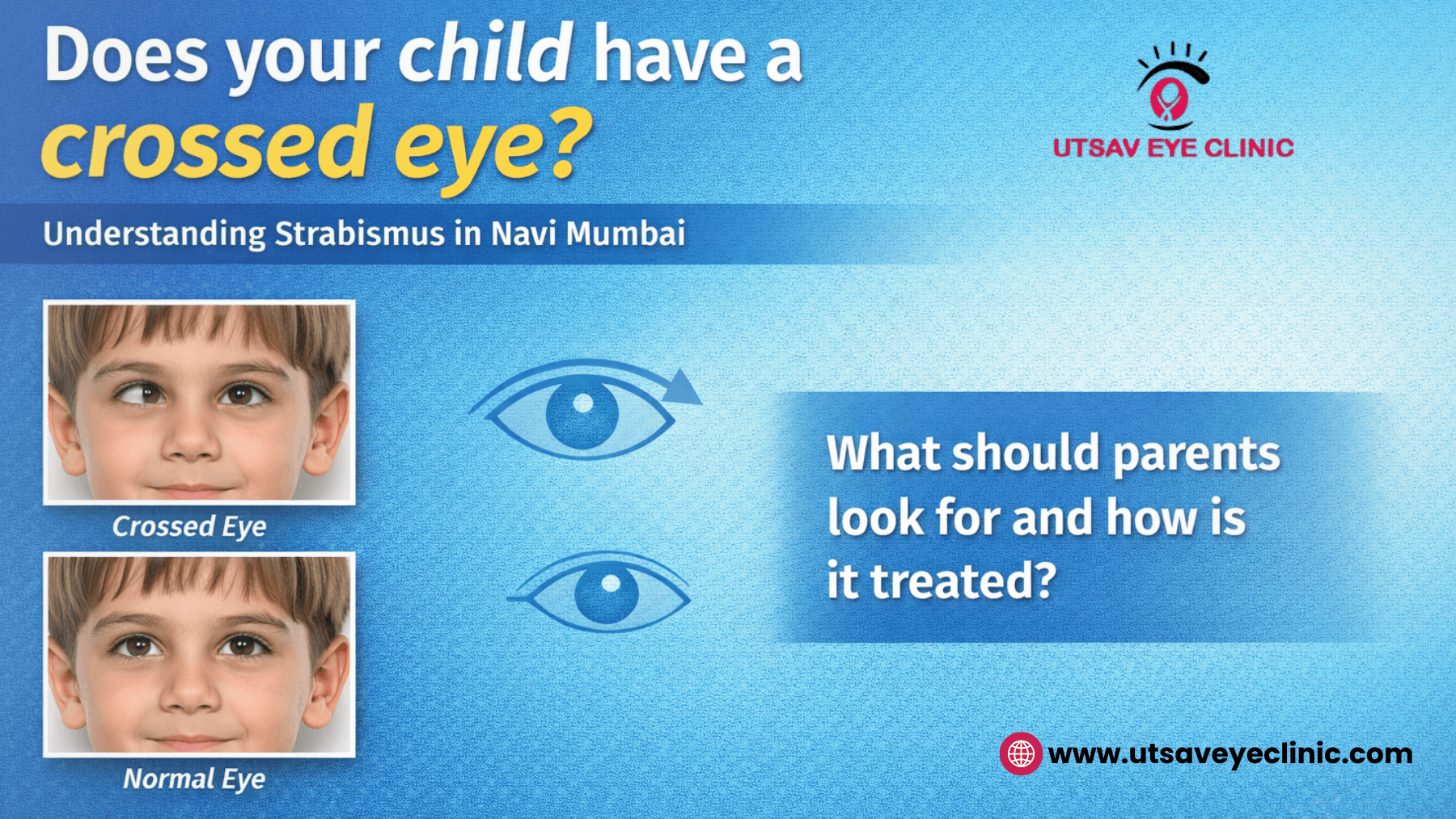
As a parent, it’s natural to feel concerned if you notice your child’s eyes are not aligned properly. Sometimes, one eye may turn inward or outward, especially when your child is tired or trying to focus. This condition is commonly known as a crossed eye or squint, and medically referred to as strabismus in Navi Mumbai.
Many parents worry whether this is normal or something serious. The truth is, strabismus is quite common in children and can be effectively treated when identified early. Understanding the condition is the first step toward protecting your child’s vision.
What is Strabismus (Squint)?
Strabismus occurs when both eyes do not look at the same object at the same time. One eye may focus straight ahead, while the other may turn inward (crossed eye) or outward (wandering eye). In some cases, the misalignment may come and go, making it harder to notice initially. Even if the condition appears mild, it should not be ignored, as it can affect how your child’s vision develops over time.
Signs Your Child May Have a Crossed Eye
It can be difficult to detect squint in the early stages, but some signs can help parents identify the issue. Watch out for:
- One eye turning inward or outward
- Eyes not moving together
- Frequent squinting or blinking
- Head tilting while focusing
- Difficulty maintaining eye contact
If you notice these signs, it is advisable to consult a Squint Specialist in Navi Mumbai for a proper evaluation.
What Causes Strabismus in Children?
Strabismus can develop due to several reasons. In many children, it is linked to weak eye muscles or problems in how the brain controls eye movement. In other cases, it may be associated with vision issues like the need for glasses or even family history. Conditions affecting nerves or overall development can also play a role. While the exact cause may vary from child to child, early diagnosis remains the key to effective treatment.
Why Early Treatment is Important
Delaying treatment can lead to complications such as lazy eye, where the brain starts ignoring the weaker eye. This can impact your child’s ability to see clearly and judge distances.
Early care helps improve eye alignment, supports proper vision development, and reduces the chances of long-term issues. Seeking help for strabismus in Navi Mumbai at the right time can make treatment simpler and more effective.
When Should You See a Specialist?
Parents should not wait too long if they notice anything unusual. You should consider consulting a doctor if the eye turn is constant, appears suddenly, or continues beyond the early months of life. Getting your child evaluated by an experienced specialist like Dr. Anand Kumar ensures accurate diagnosis and timely care, which is crucial for better outcomes.
How is Strabismus Diagnosed?
Diagnosis involves a detailed and painless eye examination. The doctor checks how well the eyes are aligned, how they move, and how clearly your child can see. These tests help determine the type and severity of the squint, which is important for planning the right treatment approach.
Treatment Options for Squint
There are several effective options available for Squint eyes treatment in Navi Mumbai, depending on the child’s condition:
- Glasses to correct vision
- Eye patching to strengthen the weaker eye
- Vision therapy to improve coordination
- Surgery in more advanced cases
A specialist like Dr. Anand Kumar will suggest the most suitable treatment plan based on your child’s specific needs.
Conclusion
Noticing a crossed eye in your child can be worrying, but it is important to remember that strabismus is treatable. With early diagnosis and proper care, most children can achieve normal vision and eye alignment.
If you suspect any signs, don’t delay seeking help. Consulting a trusted expert for strabismus in Navi Mumbai can ensure your child receives the right care at the right time, helping them grow with clear and healthy vision.
More
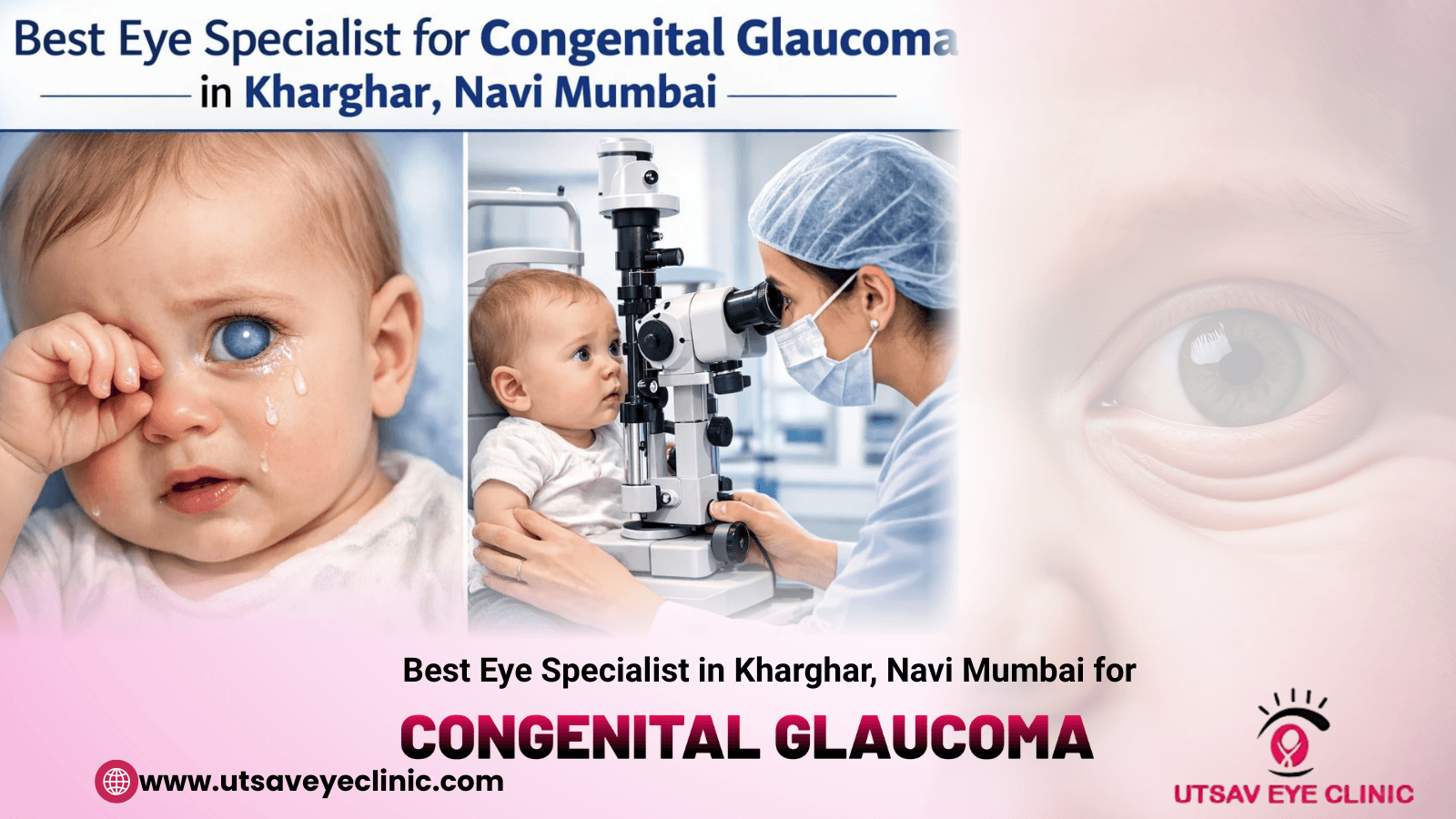
Parents always want the best care for their children, especially for their eyes. Some eye conditions in babies need quick attention, and Congenital Glaucoma in Kharghar is one of them. If not treated on time, it can affect a child’s vision. That is why consulting the Best Eye Specialist in Kharghar is very important when you notice unusual eye symptoms in your child. Congenital glaucoma is a rare eye condition affecting infants and young children. Early diagnosis and treatment can control eye pressure and protect your child’s vision.
Understanding Congenital Glaucoma
Congenital glaucoma in Navi Mumbai happens when a baby is born with a problem in the eye’s drainage system. Normally, fluid inside the eye flows out through small drainage channels. But if these channels don’t develop properly, fluid builds up and increases eye pressure.
This pressure can damage the optic nerve, which sends visual signals to the brain. If the optic nerve is damaged, it can lead to vision problems. The good news is that early diagnosis and proper congenital glaucoma Treatment in Kharghar can control the condition and protect your child’s eyesight.
Common Symptoms Parents Should Watch For
Parents should watch for certain symptoms that may indicate glaucoma in babies. Early detection helps doctors treat the condition before it becomes serious.
- Watery eyes or excessive tearing
- Sensitivity to light
- Cloudy eyes
- Enlarged or bulging eyes
- Frequent blinking or rubbing
If you notice these signs, consult the Best Eye Specialist in Kharghar immediately.
Risk Factors of Congenital Glaucoma Parents Should Know
Some factors increase the risk of congenital glaucoma:
- Genetics: Family history of glaucoma
- Developmental Issues During Pregnancy
- Premature Birth
- Associated Genetic or Developmental Disorders
- Early Eye Symptoms: Watery eyes, light sensitivity, or cloudy eyes
Early consultation can help start the right congenital glaucoma Treatment in Kharghar before vision is affected.
How Congenital Glaucoma Affects a Child’s Vision
If untreated, congenital glaucoma can damage the optic nerve and affect vision. Children may develop blurry vision, difficulty focusing, enlarged eyes, or discomfort in bright light. Since babies cannot explain vision problems, regular checkups are important. The Best Eye Specialist in Kharghar can detect glaucoma early and plan the right treatment.
How the Best Eye Specialist in Kharghar Helps in Early Detection of Eye Diseases
Early eye checkups are crucial, especially for congenital glaucoma in Navi Mumbai. The earlier a problem is found, the easier it is to treat and protect the child’s vision. The Best Eye Specialist in Kharghar can find issues that parents may not notice at home, using modern tools to check for high eye pressure, cloudy eyes, or unusually large eyes.
Regular visits allow the doctor to start congenital glaucoma Treatment in Kharghar before the condition becomes serious, ensuring your child’s eyes stay healthy.
Treatment Options for Congenital Glaucoma in Kharghar
Treatment focuses on lowering eye pressure and protecting the optic nerve:
- Medications: Eye drops to control pressure
- Surgery: Improves drainage in severe cases
- Regular Follow-ups: Monitor eye health
Early and proper congenital glaucoma Treatment in Kharghar ensures healthy vision for your child.
When Should You Visit the Best Eye Specialist in Kharghar?
It’s best to visit the Best Eye Specialist in Kharghar if your baby has watery eyes, sensitivity to light, cloudy eyes, or enlarged eyes. Babies who rub their eyes frequently should also be examined. Even without symptoms, regular checkups can catch conditions like congenital glaucoma early. Timely diagnosis and treatment support healthy eye development.
Final Thoughts
Taking care of your child’s eyes early is very important for growth and development. Timely checkups and treatment can prevent serious vision problems and help children maintain healthy eyesight.
At Utsav Eye Clinic in Kharghar, Dr. Anand Kumar provides expert care for children with congenital glaucoma in Navi Mumbai. With advanced tools and a child-friendly approach, he ensures parents get the right guidance and treatment. Regular checkups and early care make a lasting difference, giving your child the best chance for clear and healthy vision.
More
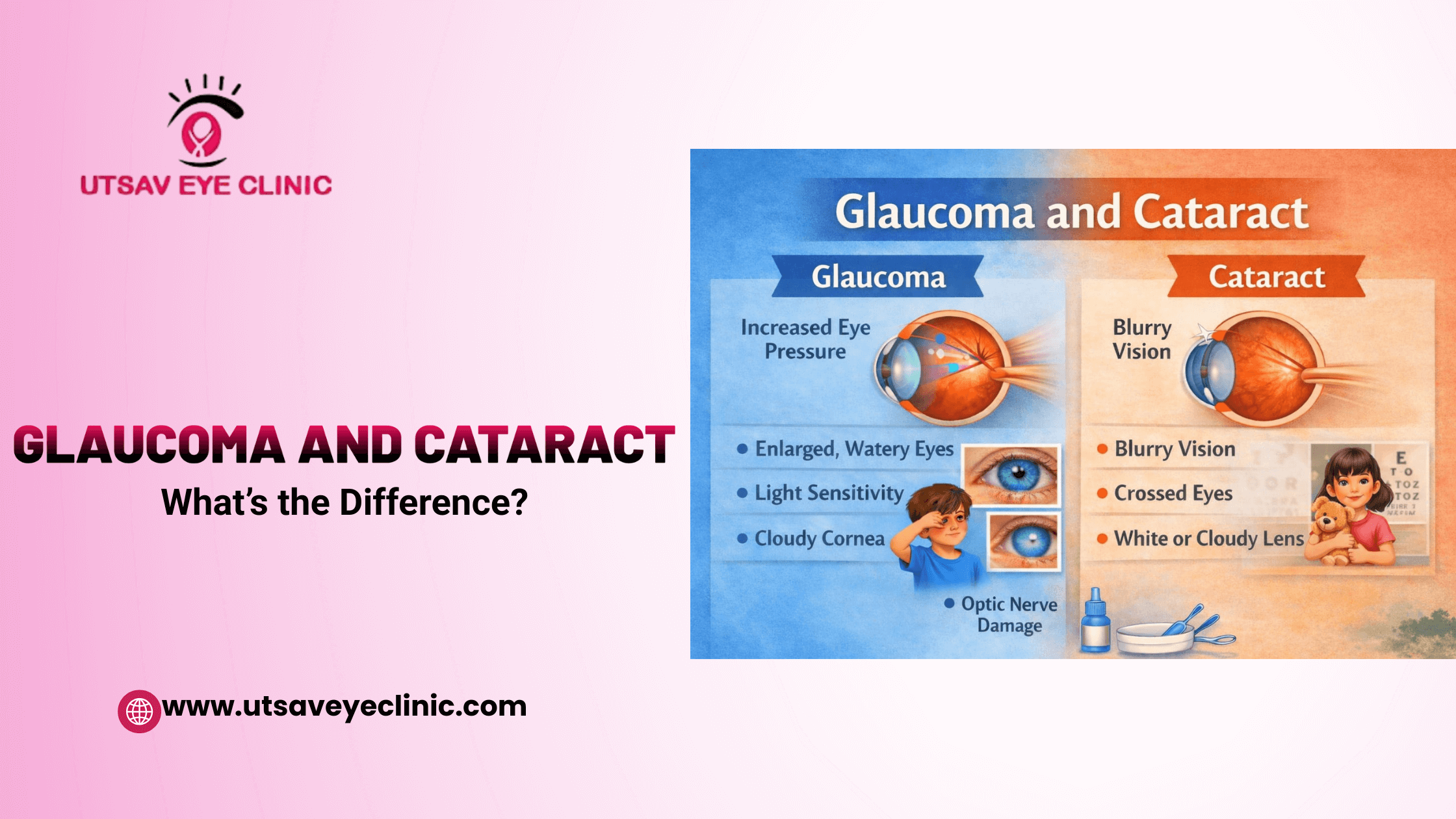
Many parents in Navi Mumbai worry when their children show signs of vision problems. Two common eye conditions in kids are Glaucoma and Cataract, but they are very different. Understanding the difference can help you get timely treatment and protect your child’s vision.
What is Glaucoma in Children?
Glaucoma happens when there is high intra-ocular pressure in the eye. In children, it can be congenital, meaning they are born with it. This increased pressure can damage the optic nerve, which may lead to vision loss if not treated early. Signs of congenital glaucoma include:
- Excessive tearing
- Sensitivity to light
- Enlarged eyes
- Cloudy cornea
If your child shows any of these symptoms, it’s important to seek congenital glaucoma Treatment in Navi Mumbai. Early detection and treatment can protect your child’s vision for life.
Types of Glaucoma
Glaucoma in children can be classified into a few types, with the most common being:
- Congenital Glaucoma: Present at birth due to problems with the eye’s drainage system.
- Juvenile Glaucoma: Develops in older children and teenagers, often linked to genetic factors.
What is Cataract in Children?
Cataracts happen when the lens of the eye becomes cloudy, blocking light from reaching the retina. In kids, these are called paediatric cataracts and can affect one or both eyes. Signs include:
- Blurry or cloudy vision
- Trouble seeing in bright light
- Misalignment of the eyes (crossed eyes)
Cataracts in kids need prompt attention because they can affect normal vision development. Paediatric cataracts Treatment in Navi Mumbai can help restore clear vision.
Types of Cataract
Cataracts in children can vary depending on how and when they develop:
- Congenital Cataracts: Present at birth due to genetics or infections during pregnancy.
- Developmental Cataracts: Develop during childhood and may worsen over time.
- Traumatic Cataracts: Caused by eye injuries or accidents.
Causes of Congenital Glaucoma and Paediatric Cataracts
Causes of Congenital Glaucoma
- Abnormal development of the eye’s drainage system, which prevents fluid from draining properly
- Increased intra-ocular pressure due to fluid buildup inside the eye
- Genetic factors or family history of glaucoma
- Rarely, associated with other developmental eye conditions
Causes of Paediatric Cataracts
- Inherited or genetic conditions passed from parents
- Infections during pregnancy, such as viral illnesses, that affect eye development
- Eye injuries or trauma in early childhood
- Other medical conditions or metabolic disorders
Early Symptoms Parents Should Watch Out For in Children’s Eyes
Parents should stay alert for early eye symptoms that may signal glaucoma or cataracts.
For Glaucoma, symptoms may include excessive tearing, sensitivity to light, and enlarged or cloudy eyes.
For Cataracts, signs can include blurry or cloudy vision, white or grey spots in the eyes, and difficulty seeing in bright light.
Paying attention to these early signs can help prevent long-term vision problems.
Are Glaucoma and Cataract Related?
Glaucoma & Cataract are different conditions, but in some cases, they can be connected. Advanced cataracts may sometimes increase eye pressure, while certain glaucoma treatments can affect the lens over time. Regular eye monitoring helps ensure both conditions are managed safely and effectively.
Key Differences
| Feature |
Glaucoma |
Cataract |
| Cause |
High intra-ocular pressure |
Cloudy lens |
| Vision effect |
Damage to optic nerve |
Blurry or cloudy vision |
| Appearance |
Enlarged or watery eyes |
White or cloudy lens |
| Treatment |
Surgery or medication to reduce eye pressure |
Surgery to remove cloudy lens |
Why Choose Utsav Eye Clinic
Utsav Eye Clinic is known for its experienced pediatric eye specialists who understand the unique needs of children’s eye care. The clinic offers child-friendly diagnosis and treatment to ensure young patients feel comfortable and safe throughout their visit. Every child receives personalized care based on their specific condition and needs. With a strong focus on early eye care, the clinic plays an important role in protecting your child’s vision and supporting healthy visual development for the future.
Final Thoughts
Eye conditions like Glaucoma and Cataract can affect a child’s vision early in life, but timely care can make a lasting difference. Being aware of symptoms and understanding these conditions helps parents take the right steps at the right time. Keeping a close watch on your child’s eye health and seeking professional advice when you notice any unusual signs can help safeguard their vision and ensure healthy development. Regular visits to a trusted clinic like Utsav Eye Clinic, Dr. Anand Kumar can provide the reassurance and expert guidance parents need for their child’s eye care.
More
A child’s eyes are crucial for learning, playing, and exploring the world around them. Clear vision helps kids read better, stay active, and feel confident. Taking care of their eyes from an early age can prevent problems in the future. At Utsav Eye Clinic, children receive gentle and Professional child eye care focused on long-term eye health.
Why Eye Health Is Important for Your Child’s
A child’s vision is essential for learning, playing, and exploring. Healthy eyes allow them to read clearly, recognize colors, follow instructions, and participate in sports and games. Poor vision can make learning harder, cause headaches, and even affect confidence and social interactions.
Early attention to child eye care can help detect problems like cataract, squint, lazy eyes, or ptosis sooner, making treatment easier and more effective. Regular check-ups, healthy habits, and protection from sunlight or excessive screen time support their overall growth and development.
Eye Conditions Children May Have
Children can develop various eye problems during their growth that require attention:
- Cataract: Clouding of the eye lens that affects vision
- Glaucoma: Increased eye pressure that can harm vision if untreated
- Diabetic retinopathy: Seen in children with diabetes and requires monitoring
- Strabismus / Squint: Eyes not aligned properly
- Ptosis: Drooping eyelids that may block vision
- Blocked tear ducts: Causes watery eyes in infants
- Lazy Eyes (Amblyopia): Weaker vision in one eye during early childhood
- Nystagmus: Uncontrolled eye movements that make focusing difficult
Early detection of these conditions makes treatment more effective and manageable.
How to Care for Your Child’s Eye Health?
Since children’s eyes are still developing, early care is very important. Simple daily habits can protect vision and support healthy growth.
- Give Your Child Healthy Food
Eating a balanced diet with fruits, vegetables, nuts, and other nutritious foods helps maintain eye health. Include vitamins like A, C, E, omega-3 fatty acids, and minerals.
- Encourage Eye Use Through Play
Play with bright toys, peek-a-boo, or clapping games helps children focus better and improves hand-eye coordination.
- Protect Eyes from Sunlight and Screens
Use hats or protective eyewear outdoors, and limit time on phones, tablets, or TVs to reduce eye strain.
- Go for Regular Eye Check-Ups
Routine visits to an eye doctor ensure your child eyes are developing properly and help catch problems early.
How to Keep Your Child’s Vision Healthy
Healthy vision supports learning, play, and overall growth. Parents can help by:
- Scheduling regular eye check-ups
- Encouraging outdoor activities
- Limiting screen time
- Providing a nutritious diet with vitamins and omega-3s
- Using protective eye wear during outdoor activities
- Watching for signs of vision problems like squinting or difficulty focusing
What Are Some Safety Tips that Parents Can Use for Their Children’s Eye Health?
Parents can take simple measures to keep their child’s eyes safe:
- Supervise playtime: Ensure children avoid objects that may hurt their eyes
- Use protective glasses: Goggles for sports like cycling, cricket, or swimming
- Protect from sunlight: Sunglasses and hats keep eyes safe from UV rays
- Keep chemicals out of reach: Store cleaners and chemicals safely
- Limit screen time: Take breaks and ensure proper lighting when using devices
- Teach safe habits: Remind children not to rub or poke their eyes
Best Pediatric Child Eye Specialist in Kharghar, Navi Mumbai
For expert care of your child’s eyes, Dr. Anand Kumar is a trusted name in Kharghar, Navi Mumbai. With years of experience in pediatric eye care, he helps children with vision problems such as squint (strabismus), lazy eyes (amblyopia), cataracts, blocked tear ducts, and more.
At Utsav Eye Clinic team provides a gentle and friendly approach, making eye exams and treatments comfortable for children. Parents can rely on his expertise to monitor their child’s vision, detect problems early, and provide the best treatment for healthy eyesight.
How Expert Care Makes a Difference
A child-friendly clinic with modern equipment and experienced doctors makes eye visits stress-free. At Utsav Eye Clinic, children receive thorough eye exams and clear guidance, giving parents confidence. The clinic focuses on long-term eye health rather than just quick fixes.
Final Thought
Taking care of your child eye is important for their learning, play, and overall development. Simple habits like a balanced diet, outdoor activities, protecting their eyes from sunlight, and regular eye check-ups can make a big difference.
If you notice any vision issues or want to ensure your child eyes are healthy, it’s best to consult an experienced pediatric eye specialist. Visit Utsav Eye Clinic in Kharghar, Navi Mumbai, where children receive gentle, professional care for clear and healthy vision.
More
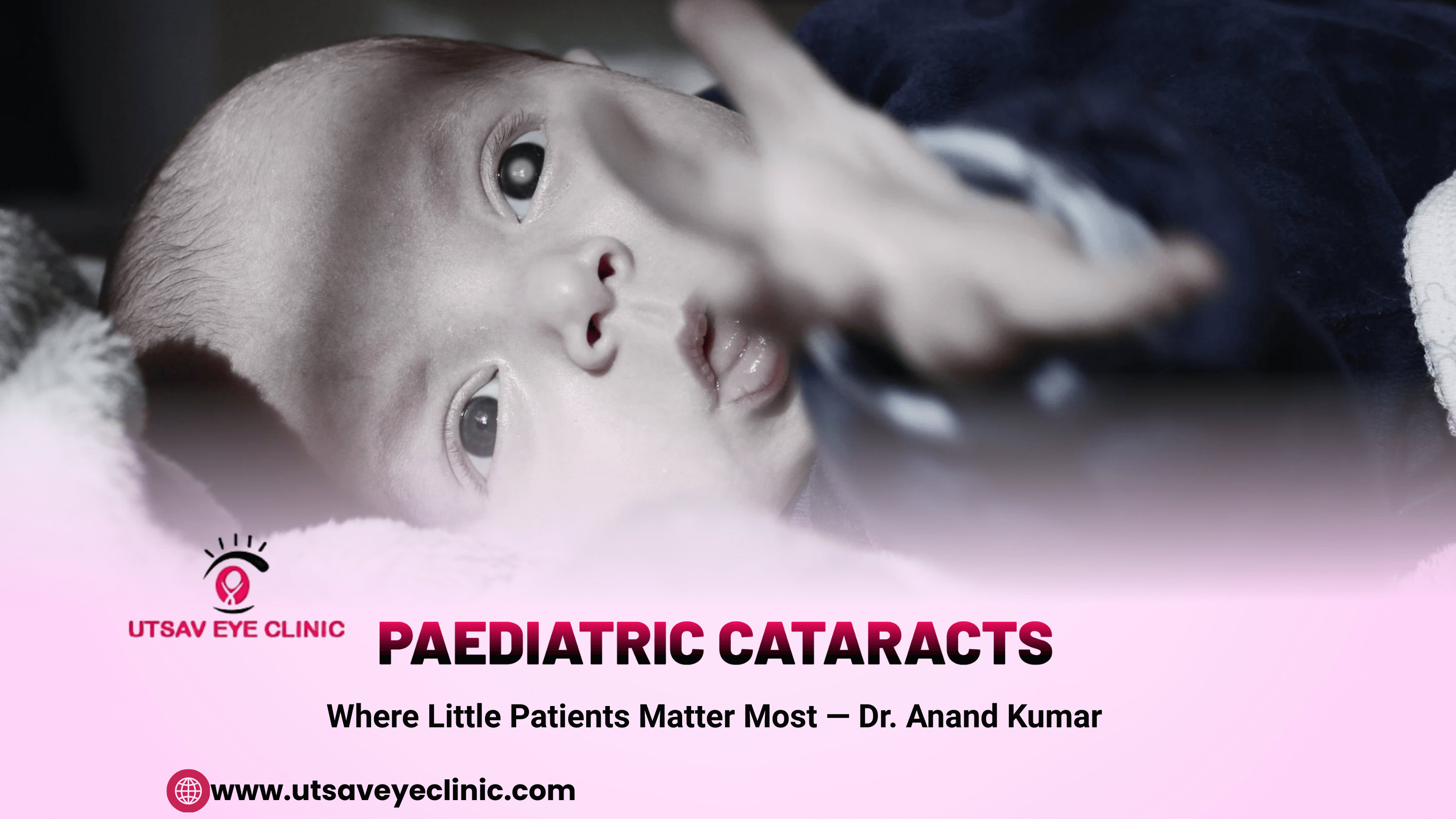
Children explore the world with curiosity and excitement. When vision is affected by paediatric cataracts, clarity can be reduced, impacting daily activities. Identifying the condition early helps support healthy visual development.Clear vision is very important for them to learn, play, and grow with confidence. Sometimes, children may develop cataracts, a condition where the lens inside the eye becomes cloudy. This prevents light from passing through properly, making vision blurry or unclear. Early care is essential to keep young eyes healthy and bright.
What Are Paediatric Cataracts?
Paediatric cataracts occur when a child’s eye lens is partly or completely cloudy. The lens focuses light so children can see clearly. When it is cloudy, children may have difficulty seeing objects, recognizing faces, or focusing on small details.
Some children are born with developmental cataracts, while others may develop them as they grow. With timely care and proper attention, children can maintain good vision and enjoy their daily activities without difficulty.
Causes of Cataracts in Children
- Cataracts present from birth: Some babies are born with cloudy lenses due to genetics or natural changes during pregnancy. These are called developmental cataracts.
- Family history: Cataracts can be inherited. If parents or close relatives had early cataracts, a child may have a higher risk of developing them.
- Eye injury: Trauma or a strong hit to the eye during play or sports can lead to a traumatic cataract.
- Health-related factors: Certain illnesses, infections, or long-term use of medications can also cause cataracts.
- Regular eye checkups: Timely checkups help detect changes early and maintain a child’s vision health.
Symptoms of Cataracts in Children
Children may not always notice or communicate vision problems, so parents need to observe carefully. Common signs of paediatric cataracts include:
- Cloudy or blurred vision
- A white or grey appearance in the pupil
- Sensitivity to bright light
- Eyes that drift or do not move together
- Difficulty focusing on toys, objects, or faces
- Reduced interest in visual play
- Unusual eye movements or squinting
Even minor changes in vision or behavior can indicate cataracts. Early consultation with a child eye specialist ensures proper care.
When Is Cataract Eye Surgery Needed for Children?
Cataract surgery may be recommended if the cloudy lens affects a child’s vision or eye development. Surgery is usually considered when:
- The cataract is large or blocks central vision
- Vision problems interfere with daily activities
- Both eyes are affected, limiting learning or play
- Eye development may be at risk
A paediatric eye specialist determines the right time for surgery. Early treatment helps prevent long-term vision problems.
What Happens During and After Cataract Surgery?
During surgery, the cloudy lens is gently removed while the child is under anesthesia. In many cases, an artificial lens is implanted to help the eye focus. The procedure is safe and performed with care.
After surgery, children may need glasses or contact lenses for some time. Eye drops and follow-up visits help prevent infection and ensure proper healing. Most children recover quickly and notice improved vision. Regular checkups continue as the child grows to maintain healthy eyesight.
Why Early Detection Matters
Good vision is essential for learning, confidence, and healthy development. When cataracts are detected early, children can continue to enjoy bright and clear vision.
Delaying care can lead to permanent vision issues, making it harder to see clearly even after treatment. Early checkups and timely care help children reach their full potential.
How Parents Can Support Their Child
Parents play a vital role in monitoring their child’s vision. Steps to help include:
- Taking children for regular eye checkups, especially infants and toddlers
- Observing for signs of blurred vision or unusual eye behavior
- Ensuring children wear protective eyewear during sports or outdoor activities
- Sharing family eye health history with the doctor
Creating a supportive environment and seeking timely medical attention can greatly improve a child’s vision health.
Expert Care at Utsav Eye Clinic
Utsav Eye Clinic in Navi Mumbai provides expert care for children with cataracts. Families receive guidance and support to understand the condition and explore the best treatment options. Early care ensures children maintain healthy vision and enjoy life to the fullest.
Final Thoughts
Every child deserves a bright and colorful world. Understanding the causes and symptoms of cataracts helps parents notice early signs and take action. With early care and support, little eyes can remain healthy, clear, and full of curiosity and joy. Dr Anand Kumar emphasizes that timely checkups and professional guidance are key to ensuring children’s vision stays bright and strong. At Utsav Eye Clinic, families can access the right advice and care to help their children maintain healthy vision, giving them the best start for a clear and confident future.
More
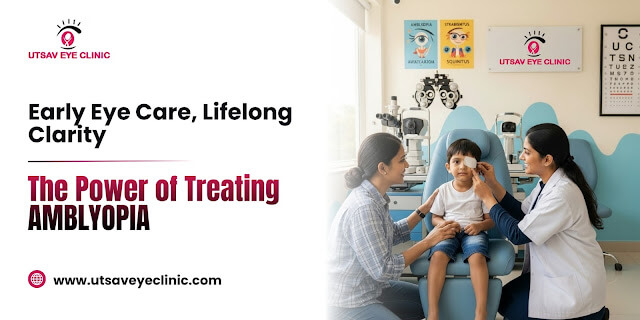
Early eye care is essential for children because healthy vision helps them learn, play, and grow with confidence. Good vision helps children learn, play, explore, and grow with confidence. Good vision helps children enjoy life, learn better, and grow with confidence. Clear sight supports reading, playing, exploring, and connecting with the world. Sometimes, though, one eye may not see as clearly as the other. This condition is called amblyopia, or lazy eye. It occurs when the brain relies more on one eye while the other becomes less active. Without proper care, the weaker eye can remain underdeveloped. But with early treatment, children can regain clear sight and enjoy this benefit for a lifetime.
When One Eye Works Less
Amblyopia is not always obvious in the beginning. A child may appear normal, but one eye slowly becomes weaker. There are many reasons for this. Some children have a squint, where the eyes are not aligned. Others may need glasses in children due to nearsightedness, farsightedness, or astigmatism. In rare cases, a cataract or another eye condition can lead to it.
Since children often don’t mention vision difficulties, parents might not notice anything unusual. The stronger eye usually works well, so the child adapts. This is why doctors often call amblyopia the “silent vision problem.”
Catching the Signs Early
Children’s eyes develop rapidly in the first few years of life. By the age of 7–8, most of their vision is already formed. Doing visual screening on children before this stage gives the best chance to detect lazy eye or squint in time.
Some simple signs parents can watch for are:
- Tilting the head often
- Covering one eye while reading
- Difficulty focusing on small objects
- One eye turning inward or outward
Even if no clear signs are noticed, scheduling an eye check is a wise step. Early treatment not only prevents complications but also supports learning and development at school.
Simple Steps That Make a Big Difference
Treating amblyopia is straightforward but requires patience and consistent follow-up.
- Glasses in children: Corrective glasses help both eyes work together.
- Eye patches: Covering the stronger eye helps the weaker one become stronger.
- Drops: In some cases, drops may be used instead of patches.
- Follow-ups: Regular checkups allow doctors to track progress and adjust treatment.
Extra Tips for Parents
- Make patching more enjoyable with colorful or themed patches.
- Encourage activities like drawing, puzzles, or reading while the patch is on.
- Praise your child for wearing glasses daily.
- Never miss follow up visits, as they are important to guide progress.
Small daily efforts can bring remarkable improvements in vision.
Care with Gentle Hands
At Utsav Eye Clinic, Kharghar,Navi Mumbai, Dr. Anand Kumar and his team treat amblyopia with kindness and expertise. Each child’s treatment plan is personalized with patience and care. From glasses to patching, every step is explained so that families feel confident and supported.
Final Thought
Every child deserves the gift of clear vision. Early care today builds confidence for school, play, and everyday life. A simple step now can give your child strong eyesight for years to come. Healthy eyes today, brighter tomorrow guided with care by Dr. Anand Kumar.
More