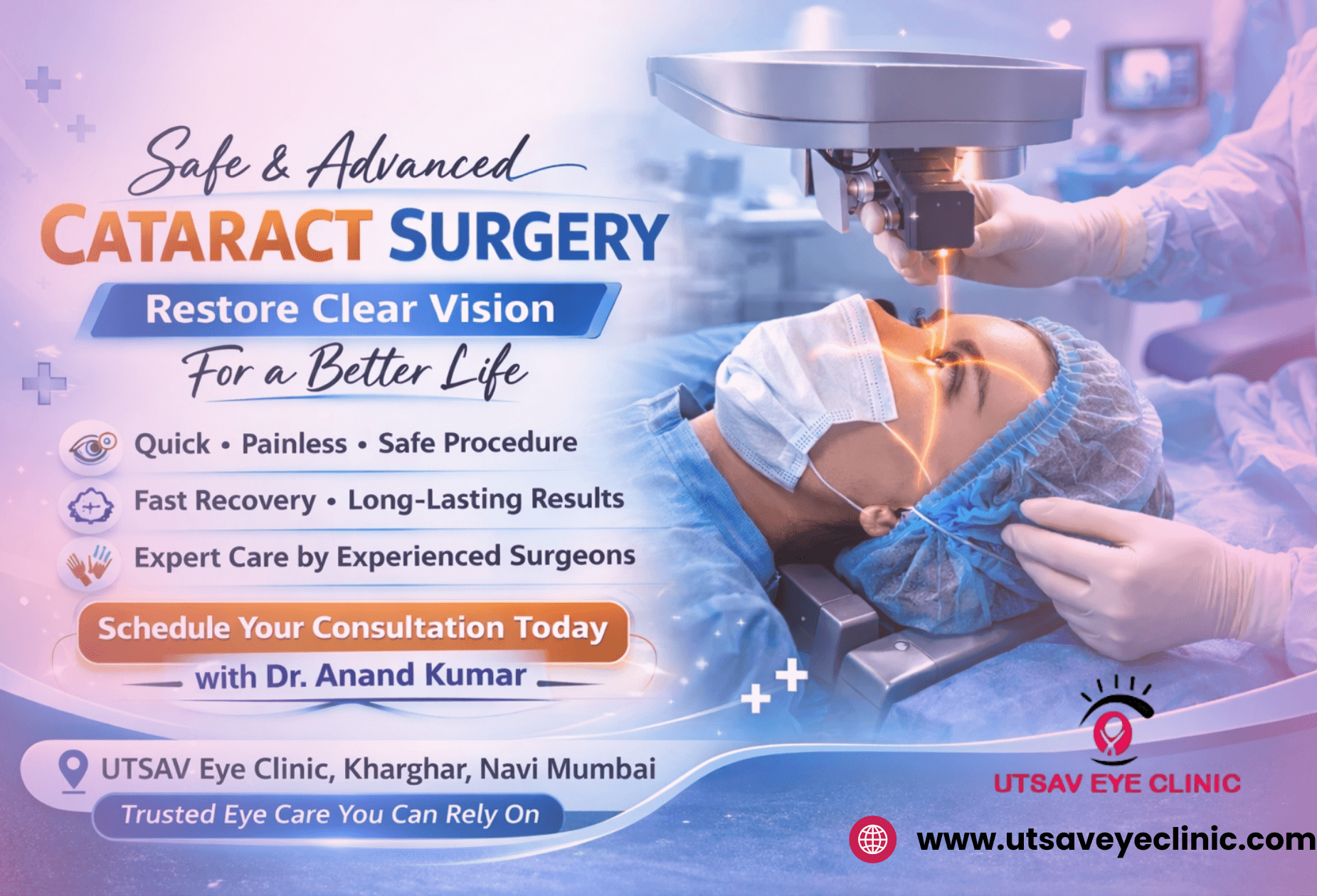
Cataracts are among the most common age-related eye conditions. Although some people choose to postpone treatment, Delay cataract surgery in Kharghar can lead to more than just blurred eyesight. Being aware of the possible risks and long-term vision impact helps you make an informed and timely decision about cataract surgery in Kharghar.
Understanding the Risks and Vision Impact of Delaying Cataract Surgery
A cataract develops when the eye’s natural lens gradually becomes cloudy, resulting in dim or unclear vision. Many individuals prefer to wait until symptoms worsen. However, postponing treatment can make the procedure more challenging and increase potential complications.
Delaying Laser Cataract Surgery in Kharghar may lead to issues often seen in advanced cases of Laser Cataract Surgery in Navi Mumbai, including:
- Progressive vision loss – As the cataract thickens, everyday tasks such as reading, night driving, or recognising faces become increasingly difficult.
- Greater surgical difficulty – Mature cataracts are denser and may require more surgical energy for removal, which can influence healing time.
- Elevated risk of complications – Untreated cataracts may contribute to conditions like glaucoma or inflammation, potentially affecting the optic nerve and overall eye function.
Why Early Cataract Surgery Makes a Difference
Addressing cataracts early protects your eyesight, minimises surgical risks, and promotes faster recovery. Removing the cloudy lens before it becomes too dense makes the operation smoother and more efficient. Choosing timely cataract surgery in Kharghar allows you to maintain independence in daily activities such as reading, driving, and using digital devices through reliable Cataract surgery in Kharghar.
Why People Delay Cataract Surgery
Despite the benefits, many individuals postpone cataract surgery in Kharghar for several reasons:
- Fear or anxiety about surgery – concerns about discomfort or complications.
- Minimal early symptoms – Mild vision disturbances may not seem urgent.
- Financial considerations – worries about cost or insurance coverage.
- Common myths – The belief that cataracts must fully “mature” before surgery is necessary.
Although these concerns are understandable, waiting too long may increase surgical complexity and recovery time.
The Impact of Delaying Cataract Surgery on Your Daily Life
Even in early stages, cataracts can reduce visual clarity. Night driving may feel unsafe due to glare and halos, while everyday tasks like reading labels or using a smartphone may require extra effort. Postponing treatment can also affect personal safety and independence. Reduced vision increases the likelihood of falls or accidental injuries, particularly in older adults.
Benefits of Timely Cataract Surgery
Cataract surgery is considered one of the safest and most successful procedures when performed at the appropriate time. Choosing cataract surgery in Navi Mumbai or opting for laser cataract surgery in Kharghar provides several key benefits of Cataract in Navi Mumbai, such as:
- Faster recovery with minimal downtime
- Lower complication risk compared to advanced cataracts
- Enhanced quality of life and improved safety
Modern techniques used in laser cataract surgery in Kharghar improve precision and reduce invasiveness, often leading to quicker healing and better visual results.
When Should You Consult an Eye Specialist?
Recognising early symptoms can help prevent unnecessary complications. If you begin noticing these changes in your vision, it’s time to see an eye specialist:
- Blurred or cloudy vision affecting daily tasks
- Glare or halos around lights, especially at night
- Difficulty identifying faces or objects clearly
- Frequent changes in glasses prescription
- Double vision in one eye
An early evaluation allows your specialist to determine the ideal timing for cataract surgery in Navi Mumbai. Acting before vision significantly declines makes the procedure safer and recovery smoother.
There is no need to wait for severe vision loss. Prompt treatment can protect both your quality of life and long-term eye health.
Why Choose UTSAV Eye Clinic in Kharghar
Selecting the right eye care centre plays a major role in surgical success. At UTSAV Eye Clinic, patients receive advanced treatment and personalised care for optimal results. Here’s why many trust our expertise:
- Skilled Surgeons – Specialists experienced in laser cataract surgery in Kharghar ensure accuracy and safety.
- Modern Technology – Advanced equipment supports minimally invasive procedures.
- Individualised Attention – Comprehensive guidance from consultation through follow-up care.
- Strong Safety Protocols – Strict hygiene standards for patient comfort and protection.
- Focused Visual Outcomes – Commitment to restoring sharp, clear vision.
Final Thoughts
Postponing cataract treatment can gradually reduce visual quality and affect daily living. Early management improves safety, simplifies surgery, and speeds up recovery. At UTSAV Eye Clinic in Kharghar, led by Dr Anand Kumar, patients receive advanced laser cataract surgery along with compassionate, personalised care. Taking timely action helps preserve clear vision and maintain independence.
More
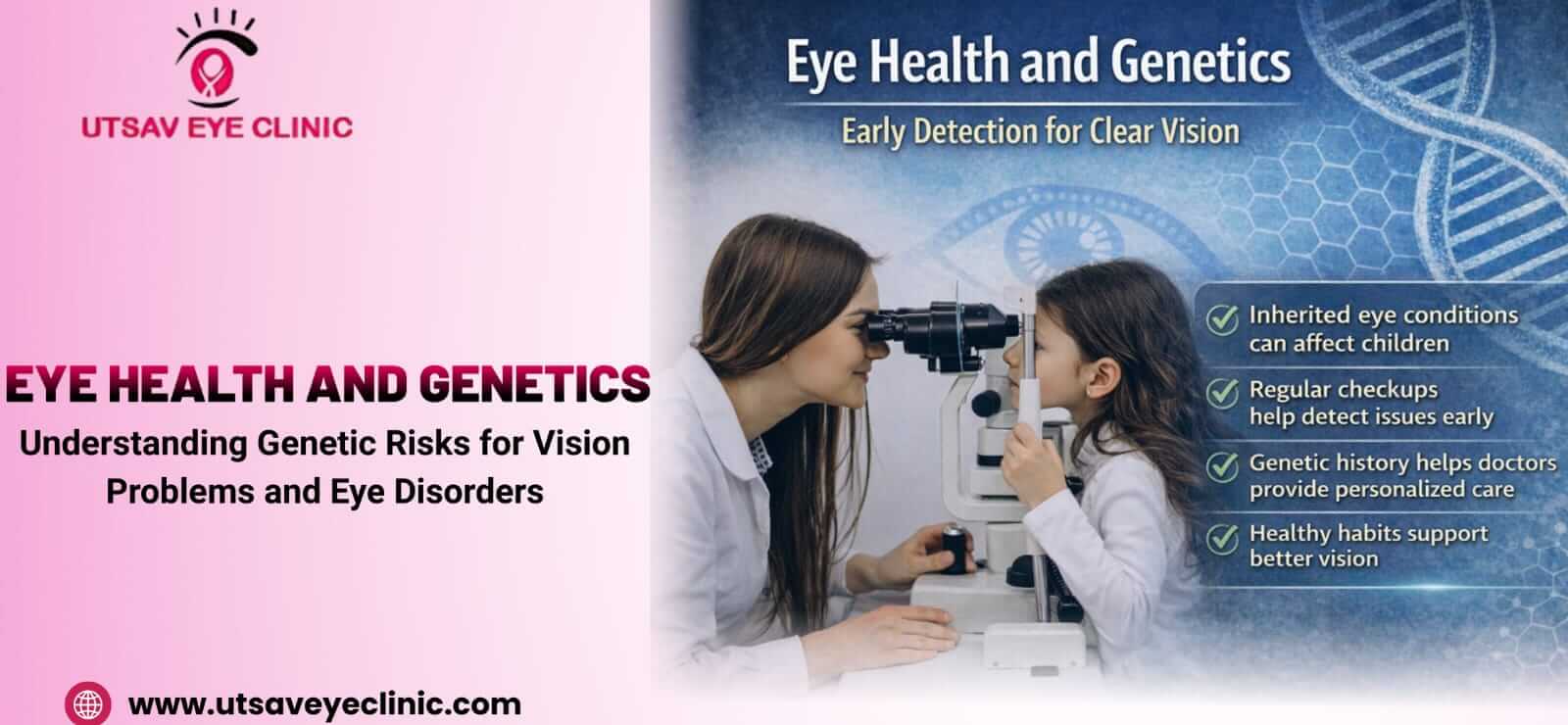
Have you noticed that some vision problems seem to run in families? Eye health and genetics play a key role perhaps your parents wear glasses, or a close relative has glaucoma or retinal issues. Genetics can play a key role in eye health, and knowing this can help you take better care of your vision.
At Utsav Eye Clinic, we often meet patients surprised to learn that some of their eye conditions may be inherited. The good news is that staying aware and having regular eye checkups with experienced Eye Specialists in Kharghar can make a big difference.
What Is the Link Between Genetics and Eye Health?
Genetics determines traits passed down from parents. Just like hair color or height, some eye conditions can be inherited from family members. This doesn’t mean everyone with a family history will develop the same eye problems, but it can increase the risk.
Knowing your family’s eye health history allows eye doctors to monitor your vision more closely, often catching issues before symptoms appear.
Common Vision Problems Linked to Genetics
Some eye problems are more likely to appear if they run in the family. Being aware of these risks helps you take steps to protect your eyesight.
Glaucoma develops slowly and often shows no early symptoms. It can damage the optic nerve and lead to vision loss if left untreated. Those with a family history should have regular eye exams with experienced
Ophthalmologists in Navi Mumbai.
Congenital cataracts are cataracts that babies are born with or develop very early. Early diagnosis and treatment are vital for healthy vision. That’s why congenital cataract in children in Navi Mumbai requires attention from specialized pediatric eye doctors.
Nearsightedness and farsightedness can be inherited. Children whose parents wear glasses are more likely to develop these issues early.
Some retinal conditions run in families and can affect eyesight gradually. These issues may not cause pain but can slowly reduce vision if not monitored.
-
Neuro-Related Eye Conditions
Certain eye problems are linked to the brain and nervous system rather than the eyes themselves. These require careful assessment by trained
Neuro-Ophthalmologists Kharghar. Treatments such as congenital glaucoma treatment in Kharghar help manage rare hereditary eye diseases effectively.
-
Why Family Eye History Matters
Sharing family eye history is important. It helps your doctor:
- Suggest checkups at the right age
- Monitor your eyes more carefully
- Detect problems early
- Create a personalised care plan
Even if your vision seems normal, inherited risks can still be present.
Eye Health in Children and How Family History Can Affect Their Vision
Children’s eyes are still developing, and some eye problems can be inherited. Understanding Eye Health and Genetics and doing early eye checking can detect issues before they affect learning or daily life.
At Utsav Eye Clinic, we recommend early eye screenings to find inherited conditions like congenital cataracts or nearsightedness. Parents should also watch for signs like squinting, sitting too close to the TV, or headaches and share family eye history with the child’s specialist for proper care.
Can Lifestyle Reduce Genetic Risks
While you cannot change your genes, healthy habits can protect your eyes and reduce the impact of genetic risks:
-
Eat a balanced diet rich in fruits and vegetables
-
Take regular breaks from screens
-
Wear sunglasses to protect eyes from sunlight
-
Avoid smoking
-
Get routine eye checkups
Even small steps can make a big difference in maintaining clear vision.
When Should You Get Your Eyes Checked
Consider an eye exam if:
-
Eye problems run in your family
-
You notice blurry vision, headaches, or eye strain
-
Your child struggles to read or focus
-
You are over 40
-
You have diabetes or other health issues
Regular checkups do more than correct vision they help protect your eyes for life.
Final Thoughts
Understanding the link between Eye Health and Genetics helps you take control of your vision. Genetic risks don’t mean vision loss is certain. At Utsav Eye Clinic, under the care of Dr. Anand Kumar, we focus on early detection, patient education, and personalised eye care at all stages of life.
If you’re looking for a trusted eye clinic in Navi Mumbai, scheduling a checkup is a simple way to protect your vision for years to come.
More
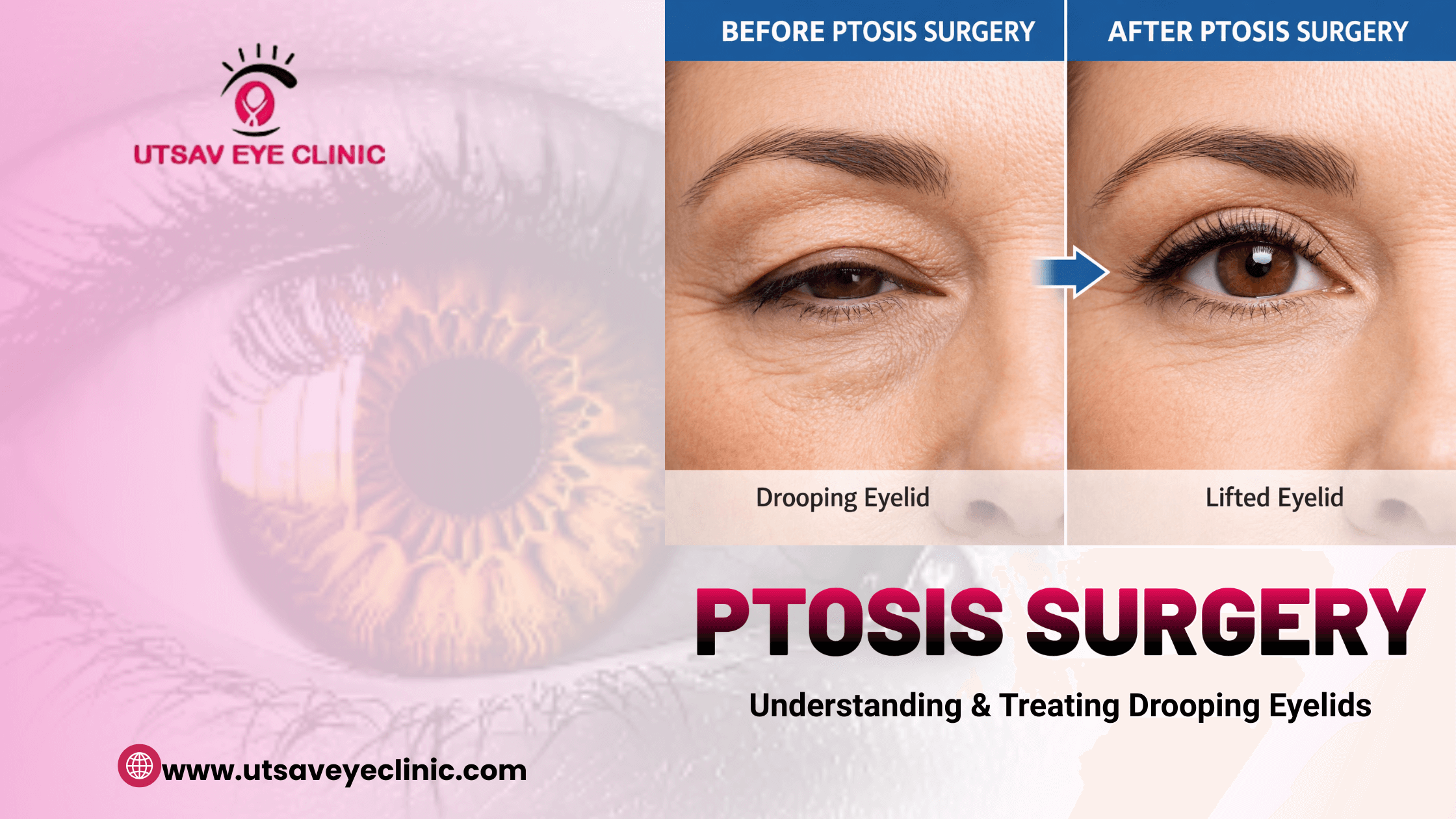
Do you notice your upper eyelids drooping more than usual? This condition is called ptosis surgery, and it can make your eyes look tired, affect your vision, or reduce your confidence. Drooping eyelids can happen slowly over time or may be present from birth. The good news is that ptosis surgery can correct this problem safely and effectively, helping you see well and feel more confident about your appearance.
What Is Eyelid Ptosis?
Eyelid ptosis is when the upper eyelid droops lower than normal. People with ptosis often find that their eyelids partially cover the eye, which can make it harder to see clearly, especially when looking upward. To see better, they may lift their eyebrows or tilt their head back. This extra effort can cause eye strain or headaches over time. If not treated, drooping of the lids can make everyday activities like reading, driving, or using a computer more difficult and tiring.
What Causes Drooping of Lids?
Drooping eyelids can happen because of:
- Weak eyelid muscles that are not strong enough to lift the eyelid properly
- Natural aging, which can cause muscles and skin to weaken
- Nerve problems that affect eyelid movement
- Being born with the condition
Besides affecting vision, many people feel self-conscious about how drooping of lids makes them look, as it can make the eyes appear tired or uneven.
When Is Ptosis Surgery Recommended?
Ptosis surgery is usually recommended when drooping eyelids cause problems with:
- Vision—When eyelids cover part of the eye, it can interfere with daily tasks like reading, driving, or using digital devices.
- Discomfort—Constantly lifting eyebrows or tilting your head can cause headaches, eye strain, or fatigue.
- Appearance—If drooping affects confidence or facial symmetry, surgery can improve how you look.
Consulting an experienced Eye plastic surgeon is important to determine if surgery is right for you and to plan the procedure safely.
How Does Ptosis Surgery Work?
Ptosis surgery works by lifting the eyelid to a normal position. An experienced eye plastic surgeon carefully adjusts or shortens the muscle that lifts the eyelid. In some cases, a sling operation is done to connect the eyelid to the forehead muscle, helping the eyelid open properly. The procedure is usually done under local anesthetic for adults, meaning you are awake but feel no pain. Children may require a general anesthetic.
Preparing for Ptosis Surgery
Before surgery, your eye plastic surgeon will guide you on the steps to prepare:
- Medical check-up: Ensures your eyes and overall health are ready for surgery
- Medication review: Some medicines may need to be paused temporarily
- Lifestyle adjustments: Avoid smoking and follow pre-surgery instructions for a smoother recovery
Proper preparation helps the surgery go well, reduces complications, and ensures the best results for your drooping of lids.
Risks and Benefits of Ptosis Surgery
Like all surgeries, ptosis surgery has some risks, but the benefits usually outweigh them.
Benefits:
- Better vision if drooping eyelids were blocking sight
- A more refreshed and balanced appearance
- Reduced eye strain and fewer headaches
Possible Risks:
- Temporary swelling or bruising
- Mild discomfort while healing
- Rarely, uneven eyelids or infection
A qualified eye plastic surgeon can minimise risks and guide you through recovery to ensure the best outcome.
Why Choose Expert Care with Dr. Anand Kumar at Utsav Eye Clinic?
Choosing a skilled eye plastic surgeon is important for safe and effective results. Specialists like Dr Anand Kumar at Utsav Eye Clinic use modern techniques and safe methods to help improve both vision and appearance. Proper guidance ensures the surgery is done precisely, and patients can enjoy better vision and a refreshed look.
Final Thoughts
Drooping eyelids can affect vision and confidence, but with the right care, they can be successfully treated. Experts like Dr. Anand Kumar at Utsav Eye Clinic help patients achieve improved vision, a refreshed appearance, and an easier daily life. If you notice signs of ptosis or struggle with drooping of lids, consulting a specialist can help you understand the best treatment options and plan surgery safely. Taking that step can make a real difference in how you see and how the world sees you.
More
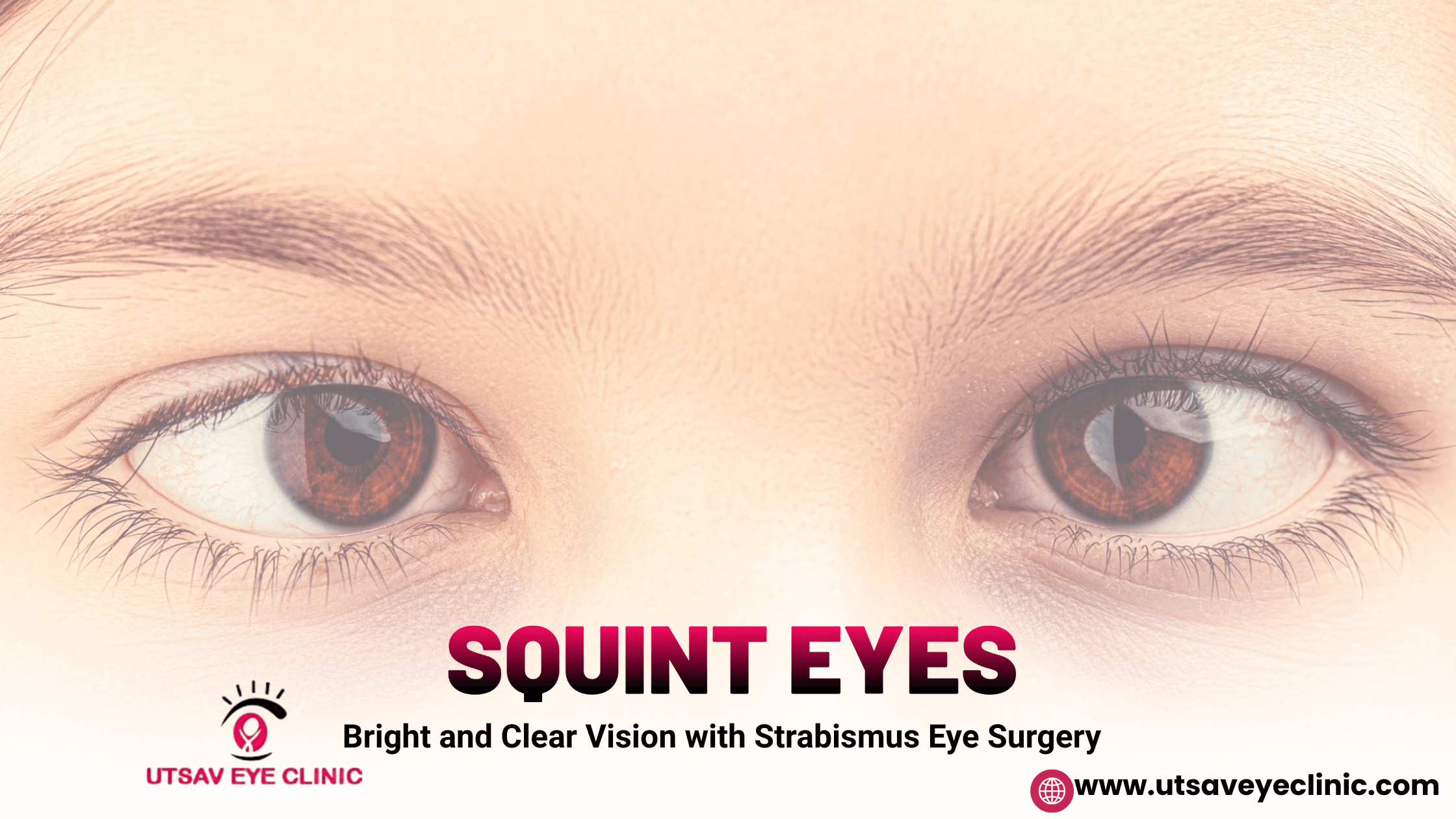
Clear vision helps us feel confident and comfortable in everyday life. Sometimes, both eyes may not look in the same direction. This condition is called strabismus or squint. One eye may turn inward, outward, upward, or downward, and in some cases, the misalignment is more noticeable.When this affects vision, appearance, or quality of life, strabismus eye surgery can be an effective treatment option to improve eye alignment and visual function.
Strabismus can affect both children and adults. When the eye muscles don’t work in coordination, the brain may start ignoring one eye, which can weaken its vision. The good news is that treatment is available. At Utsav Eye Clinic, patients of all ages receive professional and caring support to improve eye alignment and vision.
Understanding Strabismus and What Causes It
Strabismus happens when the eyes do not focus in the same direction at the same time. One eye may look straight while the other turns differently. This may occur all the time or only occasionally.
Causes can include weak eye muscles, problems with brain-eye coordination, family history, or other health conditions. Early treatment protects vision and helps both eyes work together effectively.
Why Proper Eye Alignment Matters
Having well-aligned eyes is important for clear and comfortable vision. When both eyes work together, the brain can process images correctly. This helps prevent double vision, reduces eye strain, and improves depth perception. Proper alignment also supports normal vision development in children and keeps adults comfortable in daily activities.
Early Signs to Notice
- It is important to identify strabismus early.
- Common signs include one eye turning in or out.
- Eyes not moving together.
- Tilting the head to see better.
- Double vision.
- Trouble judging distances.
- Rubbing or closing one eye repeatedly.
- If these signs appear in a child or adult, consulting a specialist early can prevent long-term vision problems.
Benefits of Squint Surgery
Squint surgery helps both eyes point in the same direction, improving comfort and confidence. The benefits include:
- Straighter eyes
- Better depth perception
- Less eye strain
- Reduced double vision
- Lower risk of weak vision in children
- Increased confidence
People of all ages can benefit from treatment for Squint eyes.
Precautions After Squint Surgery
- After surgery, the doctor may advise you to avoid rubbing your eyes.
- Take medicines as prescribed.
- Keep your eyes clean.
- Avoid heavy work.
- Attend follow-ups.
- Protect your eyes from sunlight.
Following these steps ensures proper healing.
Care for All Age Groups
Strabismus can affect anyone, and treatment depends on age. For children, early care prevents weak vision and supports normal development. Teenagers may benefit from surgery or eye exercises to improve alignment and boost confidence. Adults often see reduced eye strain, improved comfort, and better appearance. Each patient receives care tailored to their needs for safe and effective results.
Strabismus Eye Surgery Cost
The cost of strabismus surgery differs for each person. It depends on the type of squint, how many eye muscles are treated, whether one or both eyes require surgery, the patient’s age and health, necessary tests, anaesthesia, follow-ups, and the doctor’s experience.
First, the doctor examines the eyes and checks vision and muscle movement. Then the treatment plan and cost are explained clearly so families can plan ahead. Surgery helps straighten the eyes, reduce strain, and improve confidence.
If you are looking for expert care, a squint specialist in Navi Mumbai can guide you.
Final Thoughts
Proper eye alignment can greatly improve vision and confidence. With the right care, both eyes can work together comfortably. Dr Anand Kumar at Utsav Eye Clinic provides expert guidance and compassionate treatment to help patients enjoy clear and comfortable vision. Regular checkups can help maintain eye alignment and protect your vision for the future.
More
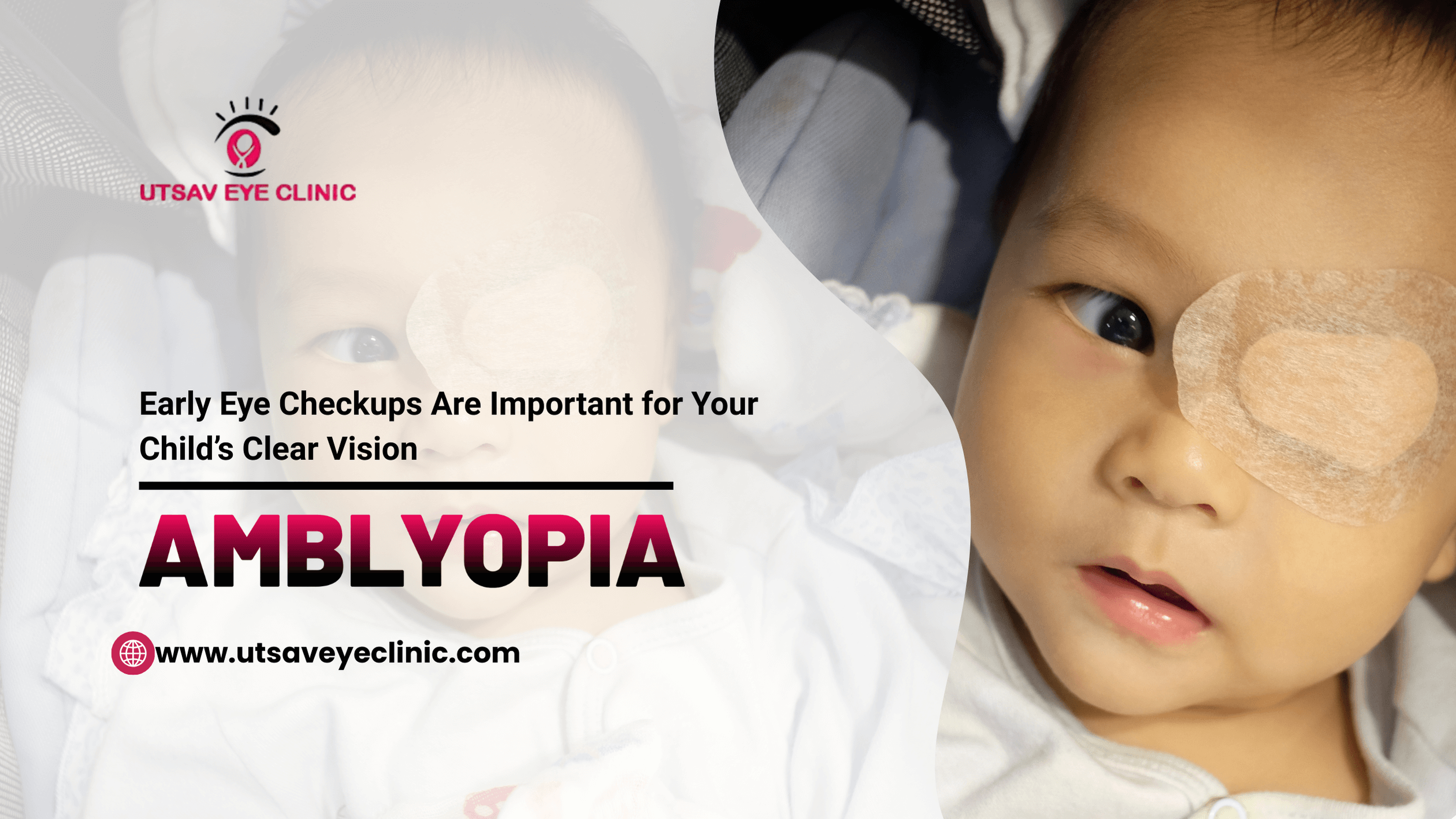
Every parent wants their child to see clearly. Good vision helps children learn, read, and enjoy playtime. Regular eye checkups make sure your child’s eyes grow healthy and strong. Conditions like amblyopia can make one eye weaker if they are not detected and treated early.
Lazy eye happens when one eye is weaker than the other. Identifying it early makes treatment easier and more effective.
What Is Lazy Eye (Amblyopia)?
Lazy eye, also called amblyopia, is when one eye does not see as clearly as the other, even with glasses. The brain usually favors the stronger eye, which can make the weaker eye less effective over time.
Signs of lazy eye include an eye that drifts, squinting, tilting the head, or covering one eye while looking at something. Early treatment, like eye exercises, patching the stronger eye, or wearing glasses, can help the weaker eye get stronger and improve overall vision.
Why Early Eye Checkups Are Important
Children’s eyes develop a lot during the first few years. Small vision problems may not be obvious, but they can affect learning and confidence. Regular checkups help find problems early, before they get worse.
Simple treatments like exercises, patching the stronger eye, or glasses help both eyes work together. Parents should also watch for signs of lazy eyes and seek care promptly.
Why the First Few Years Are Critical for Eye Development
The first few years of life are important for the growth of children’s eyes. During this time, the brain and eyes learn to work together. If one eye is weaker, the brain may rely on the stronger eye, which can make the weaker eye weaker.
Early eye checkups allow doctors to detect problems quickly. Helping eyes develop well in these years gives children a strong foundation for clear vision. Conditions like squint are easier to treat when found early.
Simple Steps Parents Can Take to Support Eye Health
Parents can take easy steps at home to support their child’s vision:
- Schedule Regular Eye Checkups—Even if your child sees well, exams can catch hidden problems.
- Follow the Doctor’s Instructions—Treatments like patching, exercises, or glasses work best when used properly.
- Observe Your Child’s Eyes—Notice if your child squints, tilts their head, or covers one eye.
- Encourage Healthy Habits—Outdoor play, limited screen time, and proper reading distance help protect eyesight.
- Make Eye Care Comfortable—Help your child feel relaxed during checkups and exercises.
Benefits of Early Eye Checkups
Early eye checkups provide many advantages:
- Stronger Vision– Problems can be treated before they worsen.
- Better Eye Coordination– Both eyes can work together for better focus.
- Faster and Easier Treatment– Early treatment is more effective.
- More Confidence—Children with clear vision can read, write, and play without difficulty.
- Lower Risk of Long-Term Eye Issues– Early care reduces the chance of permanent vision problems.
A Gentle Thought for Parents
Good eyesight helps children explore the world and enjoy daily activities. Strong vision makes learning easier and playing more fun. Early eye checkups are a simple way to keep eyes healthy and detect problems before they become serious.
Final Thought
Caring for your child’s eyes from an early age can make a big difference. Regular checkups ensure children develop clear, strong vision.
If you are concerned about your child’s eyesight, now is the right time to consult Dr. Anand Kumar at Utsav Eye Clinic. Early care helps your child enjoy healthy vision and a confident future.
More
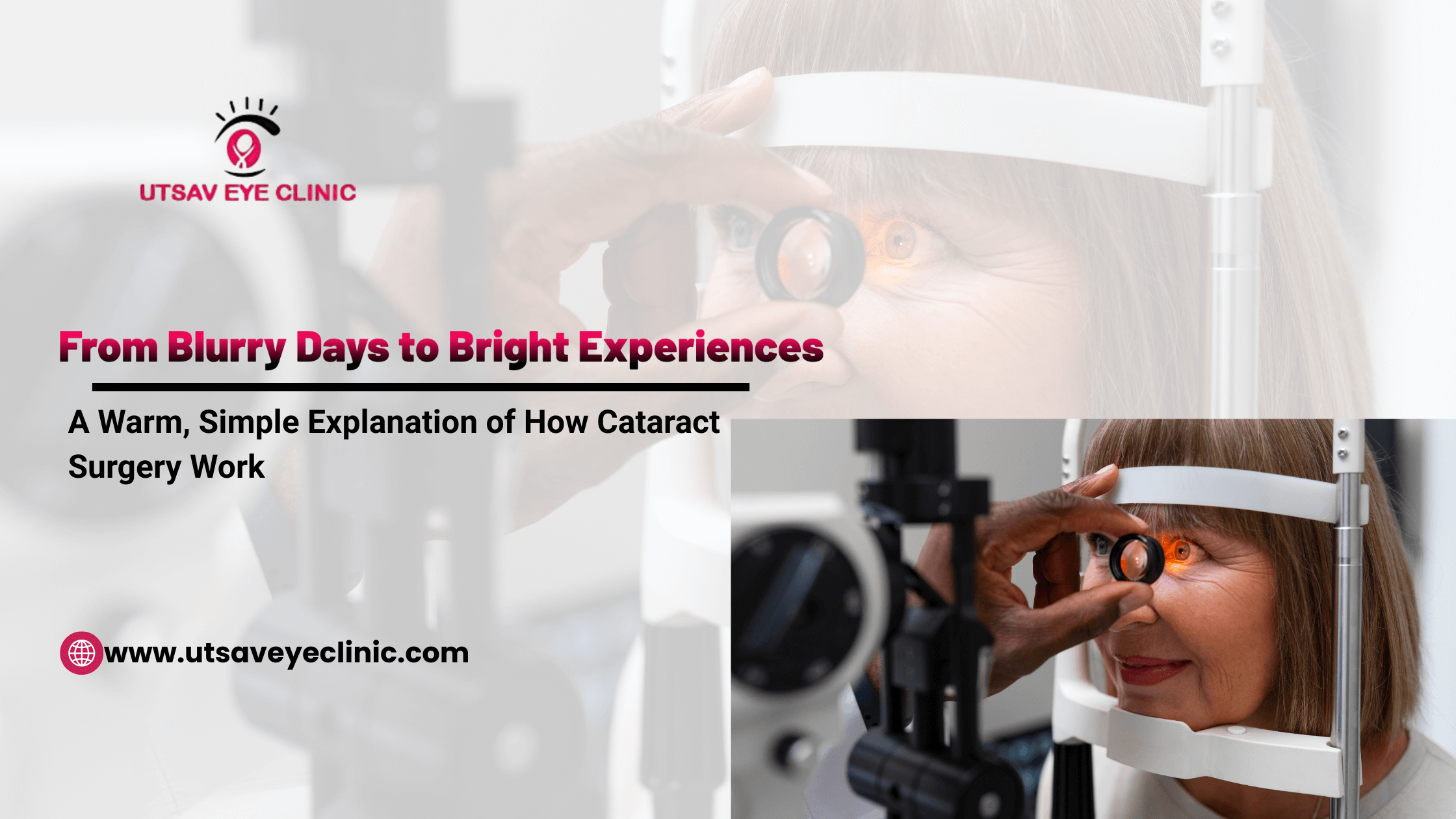
Do you notice your vision becoming blurry, colors looking dull, or lights seeming too bright at night? This is usually caused by a cataract, which happens when the lens inside your eye becomes cloudy. Many people face this problem, but modern cataract surgery can help restore clear vision and make everyday life brighter.
What is a Cataract
A cataract happens when the natural lens of your eye loses its clarity. Normally, this lens is clear and helps focus light so you can see properly. When it becomes cloudy, your vision can blur, colors may look dull, and bright lights may feel uncomfortable. Cataracts usually develop slowly and are more common as we age.
Symptoms and Signs of Cataracts
Cataracts grow gradually, so you might not notice them immediately. Common signs include:
- Blurry or hazy vision
- Faded or dull colours
- Glare from sunlight or headlights
- Difficulty reading small print
- Frequent changes in your glasses prescription
If you notice these signs, it’s best to see an eye specialist early.
Importance of Early Checkup
Getting your eyes checked early is very important. Detecting cataracts in time allows the doctor to monitor how fast they are growing, decide the best time for surgery, and prevent problems that can affect daily life, like difficulty reading or driving. Regular eye exams help you keep your vision healthy and catch problems before they become serious.
How Cataract Surgery Works
Cataract surgery is a safe and straightforward procedure. The cloudy lens is removed and replaced with a clear artificial lens. Here’s how it works:
- Small incisionThe surgeon makes a tiny cut in your eye to reach the cloudy lens.
- Remove the cloudy lensThe lens is gently broken into small pieces and removed using phaco surgery.
- Insert a new lensA clear artificial lens, called an IOL, is placed inside your eye. This lens stays in your eye permanently and helps you see clearly.
- Quick recovery, The cut is very small, so healing is fast. Many patients notice clearer vision within a few days.
Why People Choose Cataract Surgery in Utsav Eye Clinic
People choose Utsav Eye Clinic, Kharghar, for cataract surgery because the clinic uses safe, modern methods. The team uses Laser eye surgery to make the surgery gentle and accurate.
The small cuts in the eye help patients heal quickly with less discomfort. The doctors guide patients at every step, so they feel safe and confident. Many patients regain clear vision and can enjoy daily activities easily.
Life After Cataract Surgery
After surgery, most patients notice a big improvement in their vision. Life can feel brighter and clearer. Benefits include:
- Sharper vision and better details
- Reduced glare and improved night vision
- Easier reading, driving, and daily activities
- Less reliance on glasses, depending on the lens used
Recovery is usually smooth, helping patients enjoy normal daily life again.
Final Thought
Cataracts can make life blurry and challenging, but with modern cataract surgery, clear vision is possible. Dr. Anand Kumar and his team at Utsav Eye Clinic Provide gentle, safe care to help patients regain confidence and enjoy life with better eyesight. If your vision is blurry or you struggle to see clearly, scheduling an eye checkup could be the first step to a brighter, clearer world.
More
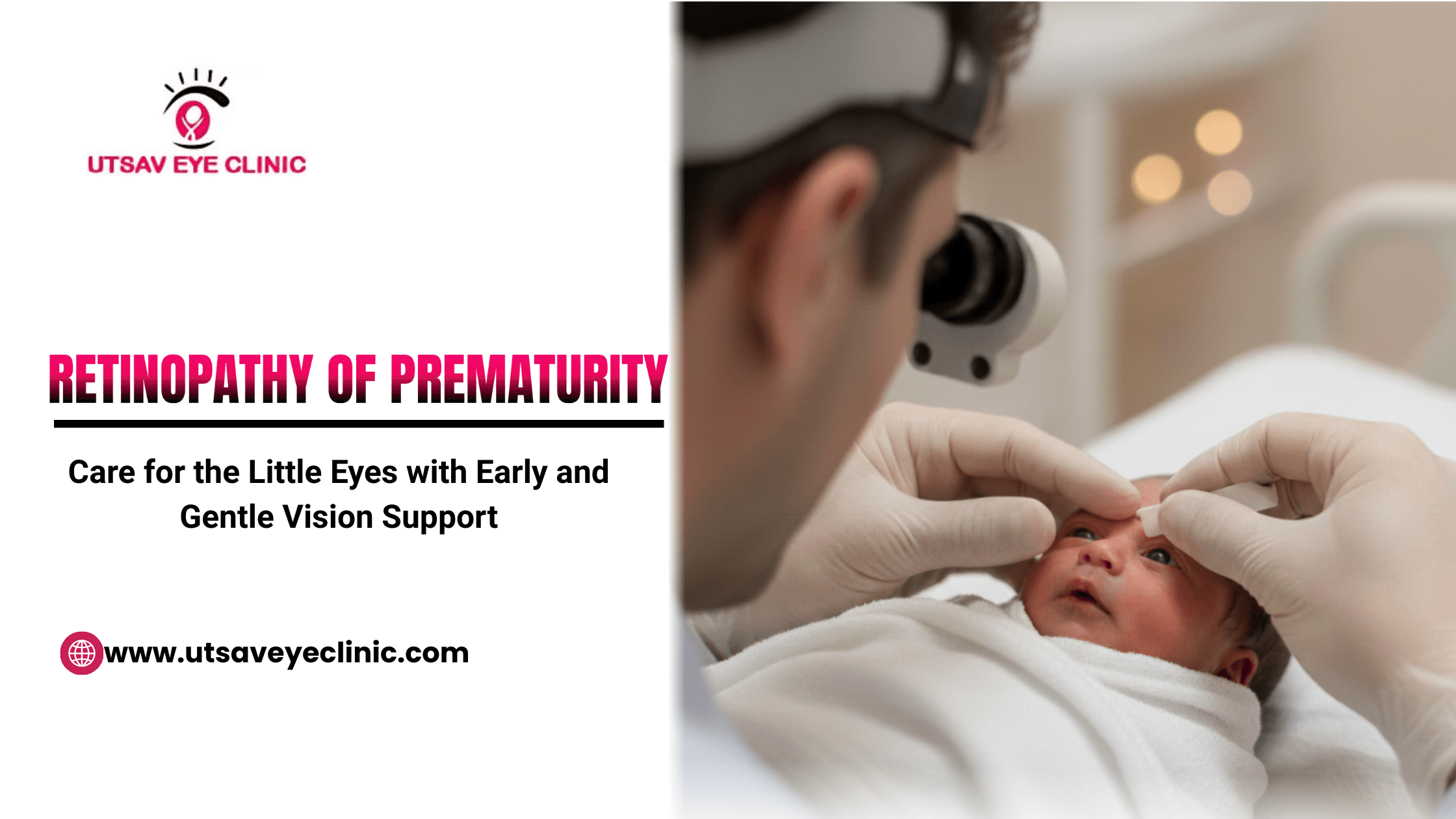
Caring for a premature baby is a precious journey, and protecting their eyes is an important part of it. Retinopathy of Prematurity (ROP) is an eye disease of premature children that can affect how the retina grows. With proper care, regular check-ups, and timely treatments, parents can help their baby’s vision develop in a healthy way.
At Utsav Eye Clinic, Kharghar, families receive expert advice and gentle guidance to support the tiny eyes of premature babies.
What Is ROP, And Why Does It Happen?
ROP occurs when the blood vessels in a premature baby’s eyes do not form normally. Because the eyes are still developing, it is important to monitor them carefully. Learning about ROP early can help parents feel confident and ready. Babies born before full term are more likely to need close observation, as their eyes are more sensitive. Understanding ROP helps parents notice changes early and take action quickly.
You can read more about Retinopathy of Prematurity to learn about the condition and how early care can help.
Why Early ROP Screening Matters
The first step to protect your baby’s vision is ROP Screening. This is a quick and easy exam done by an eye specialist. Detecting any changes early gives your baby the best chance for healthy eyes. Premature babies usually need their first eye check within a few weeks after birth. Follow up visits make sure the eyes are growing properly and allow doctors to act if needed.
Treatment Options For ROP
If ROP is detected, early treatment can protect the retina and support normal eye growth.
- Laser Treatment
Laser therapy carefully treats the affected areas of the retina. It helps the retina heal and grow normally.
- Avastin Injection
Sometimes, doctors recommend an Avastin injection to control abnormal blood vessel growth and support proper retinal development.
You can also learn more about these treatments under laser treatment of ROP.
Gentle Care For Your Baby’s Eyes
Premature babies’ eyes are fragile and still developing, so gentle care is important. Regular check-ups, soft handling, and a calm environment all help the eyes grow healthy. Even simple things, like avoiding bright lights and keeping the surroundings quiet, make a difference.
How Parents Can Support Their Baby’s Vision Journey
Even small steps can help:
- Keep all follow-up appointments
- Ask questions freely during each visit
- Stay informed about your baby’s eye development
- Trust your medical team they are there to guide you
For more information, you can explore laser treatment of ROP and learn how early care can support your child’s eyesight.
The Role Of Utsav Eye Clinic
At Utsav Eye Clinic, Kharghar, parents receive compassionate care from experienced specialists. The clinic focuses on early detection, gentle care, and treatments that are suitable for premature babies. This helps parents feel confident that their child’s vision is in safe hands.
The clinic also guides parents through every step, so they understand the process and can actively participate in their baby’s eye care.
A Bright Future For Little Eyes
With early screening, timely treatment, and careful at-home support, babies with ROP can develop healthy vision. Paying attention, acting promptly when needed, and following professional advice ensures that every child can enjoy a bright and clear future.
Final Thought
Every tiny eye deserves gentle care from the beginning. With support from Dr. Anand Kumar at Utsav Eye Clinic, parents can help their baby’s eyes grow strong and healthy.
If your baby was born prematurely or you want to protect their eyes, scheduling a check-up now is a simple step that can make a lasting difference.
More
By Dr Anand Kumar
13 Jan, 2026
Comprehensive Ophthalmology
#AcquiredNystagmus, #CongenitalNystagmus, #DancingEyes, #EyeDisorders, #EyeTreatment, #Nystagmus, #WobblingEyes, EyeHealth, UtsavEyeClinic, VisionCare
What Is Nystagmus?
Nystagmus is a condition where the eyes move on their own without control. These movements can be side to side, up and down, or in small circles. Because the eyes don’t stay steady, the condition is often called wobbling eyes or dancing eyes.
At Utsav Eye Clinic, every patient is examined carefully, and the treatment plan is made according to individual needs.
What Causes Nystagmus
Some children are born with nystagmus, and in certain families it may appear through generations. In other cases, it may happen without any family history. Conditions like ocular albinism or cone-related eye issues can also have a genetic link.
Genetic research is improving and helping doctors understand these eye conditions better.
Nystagmus can also develop due to:
- Inner ear issues
- Neurological problems
- Injuries
- Medical conditions
- Side effects of certain medicines
A complete eye check-up helps identify the exact cause.
In some people, wobbling eyes may be the first sign of the condition.
Symptoms of Nystagmus
Common symptoms include:
- Uncontrolled eye movements
- Difficulty focusing on objects
- Tilting or turning the head to see better
- Vision that appears shaky or unstable
- Trouble seeing in dim light
Some people adjust well, while others may face difficulty with reading, movement, or daily tasks.
Types of Nystagmus
- Congenital/Infantile Nystagmus
This form starts early in life. It may be inherited or linked with other childhood eye conditions. Many children adapt over time, and the brain helps stabilize what they see.
- Acquired Nystagmus
This form develops later in life due to illness, injury, or neurological problems. People may suddenly notice instability in their vision. The movements can be horizontal, vertical, or circular. Knowing the type helps decide the best treatment.
Management of Nystagmus at Utsav Eye Clinic
The doctor begins by asking when the eye movements started, how often they happen, and whether other symptoms are present. A detailed eye examination is done to understand the movement pattern.
Some patients describe the movement as dancing eyes because of the constant motion.
Treatment may include:
- Glasses or Contact Lenses– to improve vision clarity.
- Treating Underlying Conditions– addressing health issues that may trigger the eye movements.
- Visual Activities for Children– reading, playing, and visual tasks that support development.
- Eye Muscle Surgery—In selected cases, procedures like tenotomy or muscle repositioning may:
o Reduce the intensity of movements
o Improve eye alignment and reduce head tilting
o Make daily tasks easier
The treatment plan is personalised based on age, type of nystagmus, and overall eye health.
Why Early Check-Ups Matter
A timely eye checkup is important if you notice regular eye movements, unstable vision, or a head tilt. Early diagnosis makes it easier to understand the type of nystagmus and begin the right treatment.
A specialised centre like Utsav Eye Clinic helps guide patients of all ages through proper evaluation and long-term management.
Final Thoughts
Nystagmus can be managed successfully when it is identified early and treated correctly. With the right care, whether visual activities, lenses, or surgery, many people experience better comfort and clearer vision.
If you or your child is showing signs of nystagmus, visiting Utsav Eye Clinic can help you receive the right advice and treatment.
For expert care, Dr. Anand Kumar is committed to helping patients achieve stable and comfortable vision.
More
Winter brings chilly air, cold winds, and cozy indoor moments, but Double Vision in Winter can make your eyes feel strained and uncomfortable. Some people notice vision problems like double vision more during this season. Understanding the reasons and learning how to manage them can help you keep your vision clear and comfortable.
Why Double Vision Happens
Double vision occurs when the eyes are not properly aligned, sending two different images to the brain instead of one clear picture. Common causes include:
- Sixth nerve palsy – affects the muscle that moves the eye outward
- Fourth nerve palsy – affects the muscle that moves the eye downward
- Third nerve palsy – affects multiple eye muscles
- Myasthenia gravis – weakens eye muscles, making eye movement difficult
- Brain tumors—can sometimes affect vision
If you experience double vision, it is important to see a neuro-ophthalmologist. Early evaluation can help find the cause, prevent complications, and improve comfort for your eyes.
How Winter Affects Your Eyes
Cold, dry air, indoor heating, and long hours spent on phones, computers, or TVs can make your eyes feel tired and dry. Eye muscles may become strained, and blinking less often can increase discomfort. Dry air, artificial heating, and low humidity can cause redness, irritation, or a scratchy feeling. While winter does not directly cause double vision, these factors can make existing vision problems more noticeable and harder to manage.
Small steps, such as resting your eyes, using eye drops, and wearing sunglasses outdoors, can help keep your eyes comfortable during the season.
Simple Ways to Protect Your Eyes in Winter
Here are some easy ways to keep your eyes healthy in winter:
- Use eye drops often to keep your eyes moist and stop them from feeling dry.
- Take short breaks from phones, computers, or TV every 30–40 minutes.
- Wear sunglasses outside to protect your eyes from wind, sunlight, and dust.
- Make sure there is good light when reading, writing, or using screens.
- Use a humidifier at home to add moisture to the air and prevent dryness.
Doing these simple things can help your eyes stay comfortable and avoid irritation during winter.
If you still see double, visit Utsav Eye Clinic, Kharghar, Navi Mumbai, to find the cause and get treatment.
When to Seek Professional Help
Double vision with headaches, drooping eyelids, or difficulty moving your eyes should be checked immediately. Conditions like nerve palsies, myasthenia gravis, or brain tumors need timely care from a neuro-ophthalmologist. Early treatment can prevent complications and make eye movement easier and more comfortable.
Enjoy Winter with Clear Vision
With proper care, you can enjoy winter comfortably without worrying about eye strain or vision problems. Utsav Eye Clinic, Kharghar, Navi Mumbai provides professional treatment for double vision and other eye conditions. Following simple eye care tips can improve comfort and maintain good vision throughout the season.
Final Thoughts
Winter can make double vision more noticeable, but with attention and timely check-ups, your eyes can stay healthy and comfortable. If you notice sudden or ongoing changes in vision, consult an expert. Dr. Anand Kumar at Utsav Eye Clinic, Kharghar, Navi Mumbai can provide guidance and treatment. Taking care of your eyes now ensures clear and comfortable vision all winter.
More
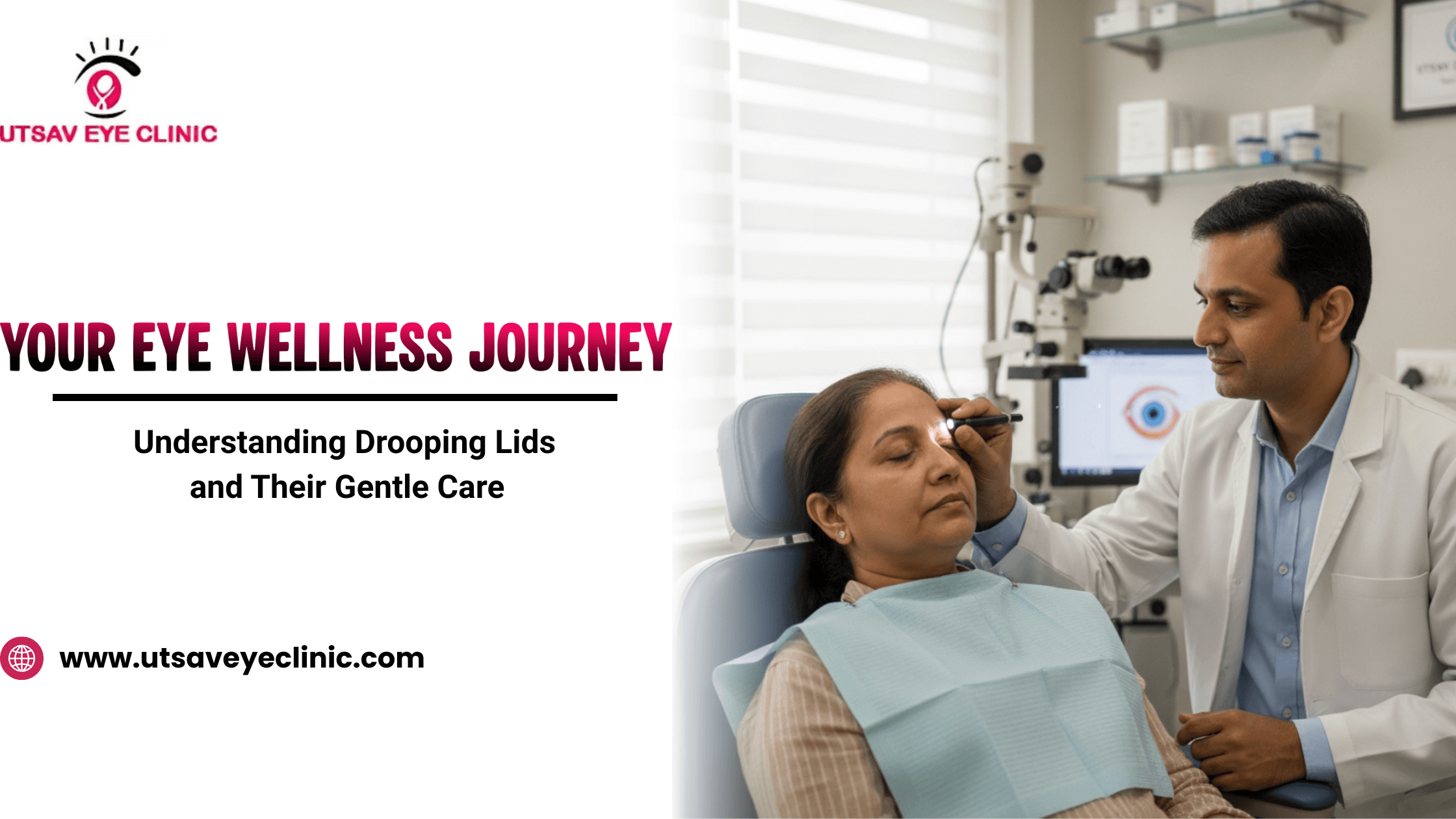
Drooping Lids can gently change the way your eyes look and feel over time. Our eyes show how we feel alert, confident, and full of life. Sometimes, the upper eyelids may slowly start to droop. This condition, called ptosis, can affect one or both eyes and may make someone look more tired or sleepy than they really are. Drooping eyelids can also subtly change how your eyes appear in photos, social situations, or even during conversations, which is why noticing the early signs is important.
At Drooping of Lids in Kharghar, Navi Mumbai, the aim is to help patients understand this condition with care, comfort, and clarity. The clinic looks after both the medical and cosmetic aspects of eyelid health to help patients feel confident and supported.
What Is Drooping of Lids (Ptosis)?
Drooping of lids, or ptosis, happens when the muscle that lifts the upper eyelid becomes weak or stretched. It can be present from birth (congenital ptosis) or develop later in life because of age, injury, or other conditions affecting the muscles or nerves. Most of the time, ptosis is not harmful, but if the eyelid starts to cover part of the eye, it can affect vision. This may cause eye strain, headaches, or trouble focusing. Spotting the condition early makes it easier to explore safe and effective treatments that improve both vision and appearance.
How Is Ptosis Treated?
The treatment for ptosis depends on the cause, how severe it is, and how it affects daily life. At Utsav Eye Clinic, our skilled eye plastic surgeon checks each patient carefully and suggests the best solution.
Common treatments include:
- Levator Resection—a careful adjustment of the eyelid muscle to lift the eyelid and make it look natural.
- Sling Surgery—connecting the eyelid to the forehead muscle using a fine thread or material for support.
- Crutch Glasses—special glasses that gently hold up the eyelid in mild cases, without surgery.
Each method is chosen with your comfort, safety, and natural look in mind. Patients are guided about the recovery process and what to expect, making the experience smooth and reassuring.
Why Choose Utsav Eye Clinic, Kharghar
In the heart of Kharghar, Navi Mumbai, Utsav Eye Clinic combines modern technology with caring service. Patients get personal attention and guidance from a team focused on helping both vision and confidence. Whether you’re thinking about ptosis surgery or just want expert advice, the clinic provides a friendly environment to guide you through every step. The aim is to help patients feel informed, comfortable, and confident in their choices.
Your Next Step Toward Brighter Eyes
Healthy eyes are more than just clear vision they also give comfort and confidence. If you notice drooping eyelids or small changes in how they look, it’s a good idea to speak with a specialist. At Utsav Eye Clinic, we help you get brighter, more confident eyes with gentle and effective care. Every step, from the first check-up to treatment and follow-up, is done with your comfort in mind.
Final Thoughts
Every pair of eyes tells a story of experiences, feelings, and expression. Taking good care of them helps you look and feel your best at any age. With the experience of Dr. Anand Kumar, Utsav Eye Clinic in Kharghar, Navi Mumbai, provides precise and caring treatment for drooping lids and ptosis. Many patients have already taken the first step toward healthier eyelids and renewed confidence.
Taking a little time to learn more or talk with a specialist could be the start of your own journey toward clearer, healthier, and brighter eyes. Even a small step can make a big difference in how you see the world and how the world sees you.
More