By Andy
21 Mar, 2026
Cataract
#CataractCare, #CataractSurgery, #EyeClinic, #EyeSpecialist, #NaviMumbai, #PostSurgeryCare, EyeCare, EyeHealth, kharghar, VisionCare
If you have recently had cataract surgery or are planning for it, taking proper care of your eyes afterward is very important. Good aftercare helps your eyes heal faster, improves your vision, and reduces the chances of any complications.
If you are planning Cataract surgery in Kharghar, following the right precautions after the procedure can make your recovery smooth and comfortable. Even though the surgery is simple and safe, your eyes still need time and care to fully recover.
What to Expect After Cataract Surgery
After the procedure, you may notice slight irritation, blurry vision, or mild redness. These are common and usually improve within a few days. Most people experience better vision soon after surgery, but complete healing may take a few weeks. Your doctor may advise you to wear protective glasses and avoid certain activities for a few days. Regular visits to an eye specialist in Navi Mumbai can help ensure that your eyes are healing properly and everything is on track.
Do Follow Your Doctor’s Instructions After Cataract Surgery in Kharghar, Navi Mumbai
Your doctor will prescribe eye drops and medications to prevent infection and control swelling. It is important to use them exactly as instructed.
Patients who undergo Cataract surgery in Navi Mumbai are usually given a proper schedule for medications. Following this routine carefully supports faster healing. Even if your eyes feel better, do not stop using the medicines unless your doctor tells you to.
Keep Your Eyes Safe; Avoid Rubbing or Touching Them After Surgery
After surgery, your eyes are more sensitive than usual. Even if you feel mild itching or discomfort, avoid rubbing or touching your eyes. Doing so can delay healing or increase the risk of infection. To protect your eyes, wear sunglasses when stepping outside and try to avoid dusty or polluted areas. If you feel any unusual discomfort, it is better to consult an experienced eye specialist in Navi Mumbai instead of touching your eyes.
Do Wear Sunglasses; Don’t Expose Your Eyes to Dust
Your eyes can be more sensitive to light and environmental factors after surgery. Wearing sunglasses helps protect them from sunlight, dust, and pollution. If you have had Cataract surgery in Kharghar, using protective eyewear regularly when going outside can help prevent irritation and support the healing process.
Do Keep Your Eyes Clean; Don’t Let Water Enter Your Eyes
Maintaining cleanliness around your eyes is very important after surgery. You can gently clean the area around your eyes, but avoid touching the eye directly. While bathing or washing your face, make sure that water, soap, or shampoo does not enter your eyes, as this can lead to infection.
Don’t Sleep on the Operated Side Immediately After Surgery
Sleeping position also plays a role in your recovery. Avoid lying on the side where the surgery was performed, as it can put pressure on your eye. It is better to sleep on your back or the opposite side for a few days. If you experience discomfort while sleeping, you can consult your doctor for proper advice.
Do Attend Follow-Ups; Don’t Skip Check-Ups
Follow-up appointments are important to monitor your recovery. Your doctor will check your eye and make sure everything is healing as expected. Even if your vision seems fine, do not skip these visits. Regular check-ups help prevent any issues and ensure a smooth recovery.
When Should You Contact Your Doctor?
Although recovery is usually smooth, you should contact your doctor if you notice:
- Severe or increasing eye pain
- Sudden drop in vision
- Persistent redness
- Flashes or floating spots
If you experience any of these symptoms after Cataract surgery in Navi Mumbai, seek medical help without delay.
Final Thoughts
Cataract surgery is a safe and effective procedure, but proper care after surgery is equally important. By following these simple do’s and don’ts, you can recover faster and enjoy better vision.
For the best results, always follow expert advice and choose a reliable clinic for your treatment and aftercare. Under the care of Dr. Anand Kumar, patients receive the right guidance and support needed for a smooth recovery. If you are looking for trusted eye care and professional support, choosing the right clinic can make a big difference in your overall experience.
More
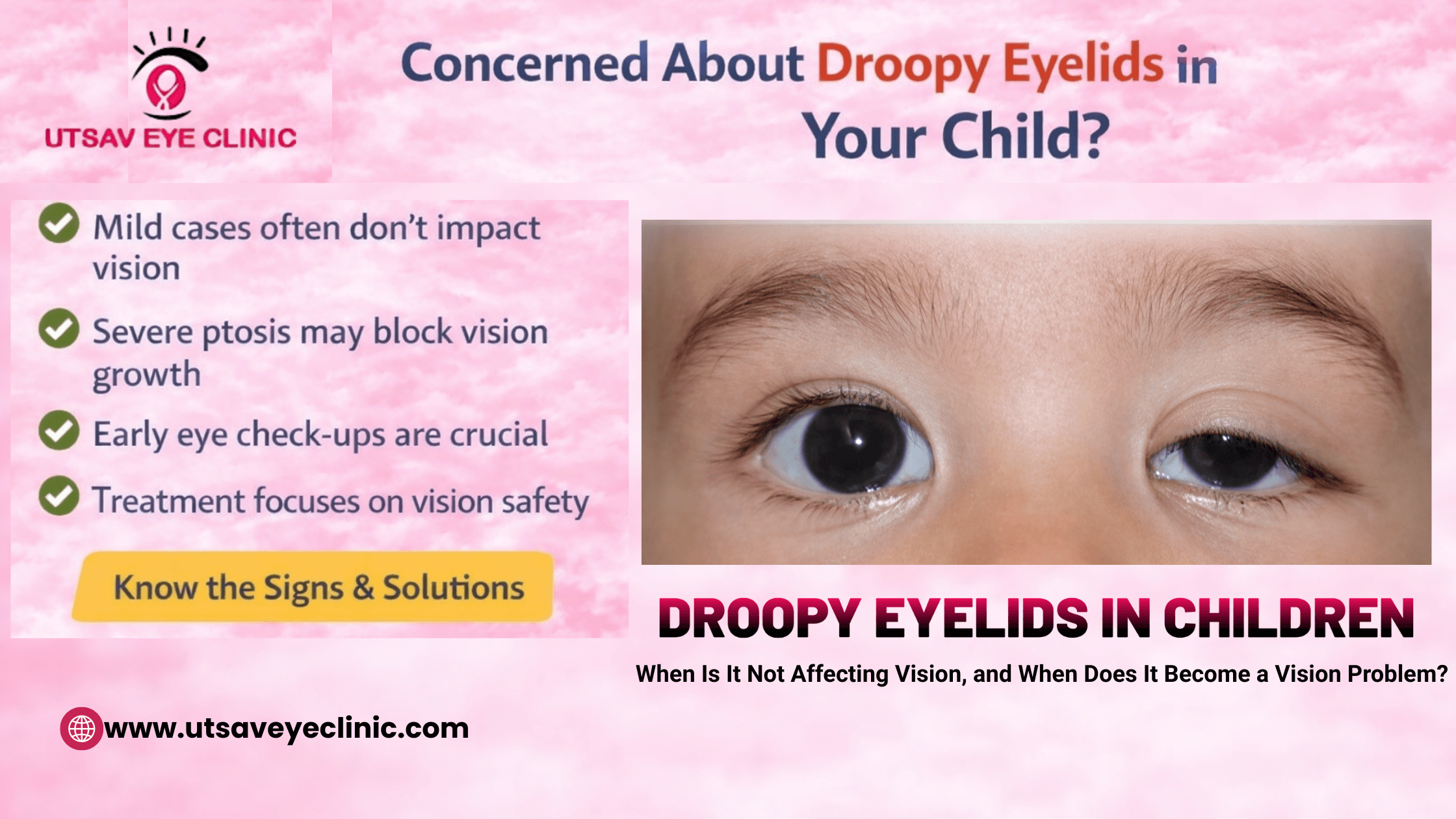
As a parent, noticing that your child’s eyelid looks lower than usual can be worrying. You may wonder if it is simply how their eye looks or if it could affect their eyesight in the future. Drooping of eyelids in children, known medically as ptosis, are sometimes harmless. However, in certain cases, they can interfere with normal vision growth. Understanding the difference helps parents make informed and timely decisions.
Understanding Droopy Eyelids in Children
Ptosis occurs when the upper eyelid sits lower than normal. It may involve one eye or both. Some children are born with this condition, while others may develop it later because of muscle or nerve-related issues. Parents searching for drooping of lids in Navi Mumbai often want to know whether this condition is serious or only affects appearance. The key factor is whether the eyelid is blocking vision.
When Droopy Eyelids Are Not Affecting Vision
In many children, the drooping is mild and does not disturb eyesight. It is usually not a concern if:
- The eyelid does not cover the pupil
- The child can see clearly from both eyes
- There is no need to lift the chin or eyebrows to see better
- Vision tests show healthy development
In such situations, the issue is mostly cosmetic. Doctors may recommend observation and routine check-ups to ensure vision continues to develop normally.
When Drooping of Eyelids Become a Vision Problem
A Drooping of Eyelids becomes a medical concern when it starts interfering with vision. Signs to watch for include:
- The eyelid covering part or all of the pupil
- The child lifting their chin to see properly
- One eye appearing weaker than the other
- Delayed eye contact or visual response
If vision is blocked during early childhood, the brain may not learn to use that eye properly. This can result in lazy eye (amblyopia), which may lead to long-term vision problems if not treated early.
Why Early Eye Check-Ups Matter
Vision develops quickly during the first few years of life. If clear images do not reach the brain, visual development may be affected. Parents looking into ptosis Treatment in Navi Mumbai are usually advised treatment only when eyesight is at risk. In mild cases, simple monitoring may be enough.
How Droopy Eyelids Are Treated
Treatment depends on the severity of the condition:
- Mild ptosis: Regular eye monitoring
- More significant ptosis: Surgery may be recommended
The main goal is always to protect and support vision. Cosmetic improvement is considered secondary. Treatment is carefully planned by an experienced Eye plastic surgeon in Kharghar to ensure safe and appropriate care for each child.
Is Surgery Safe for Children?
If surgery is necessary, it is performed after carefully evaluating the child’s age, eyelid muscle strength, and visual needs. The purpose is to raise the eyelid enough to allow clear vision while maintaining eye safety. Parents considering ptosis surgery at Utsav Eye Clinic receive clear guidance about the procedure, recovery, and follow-up care. After surgery, regular visits help ensure proper healing and healthy visual development.
How Parents Can Support Eye Health at Home
Parents can help maintain their child’s eye health with simple daily habits:
- Observe for signs like squinting or head tilting
- Keep up with regular eye check-ups
- Reduce excessive screen time
- Provide a balanced, nutritious diet
- Ensure proper lighting during reading or studying
- Encourage outdoor activities
- Follow prescribed treatments consistently
Small steps at home can greatly support healthy vision.
Why Choose Utsav Eye Clinic for Ptosis Treatment in Navi Mumbai?
At Utsav Eye Clinic, your child’s vision is always the top priority. Each child with Drooping of Eyelids is thoroughly examined to decide whether treatment or observation is needed. Doctors explain the condition clearly so parents can make confident decisions. Care is personalized based on age, eye health, and visual requirements, especially for families seeking treatment of Drooping of upper lids in Navi Mumbai.
The clinic provides a comfortable and child-friendly environment, helping families feel supported throughout the process.
Final Thoughts
Droopy eyelids in children may appear concerning, but not every case affects vision. The important step is determining whether the eyelid is simply a cosmetic difference or interfering with proper visual development. A detailed eye examination provides clarity and reassurance. With proper guidance from experienced specialists like Dr. Anand Kumar at Utsav Eye Clinic, children with ptosis can receive the right care to ensure healthy and normal vision development.
More
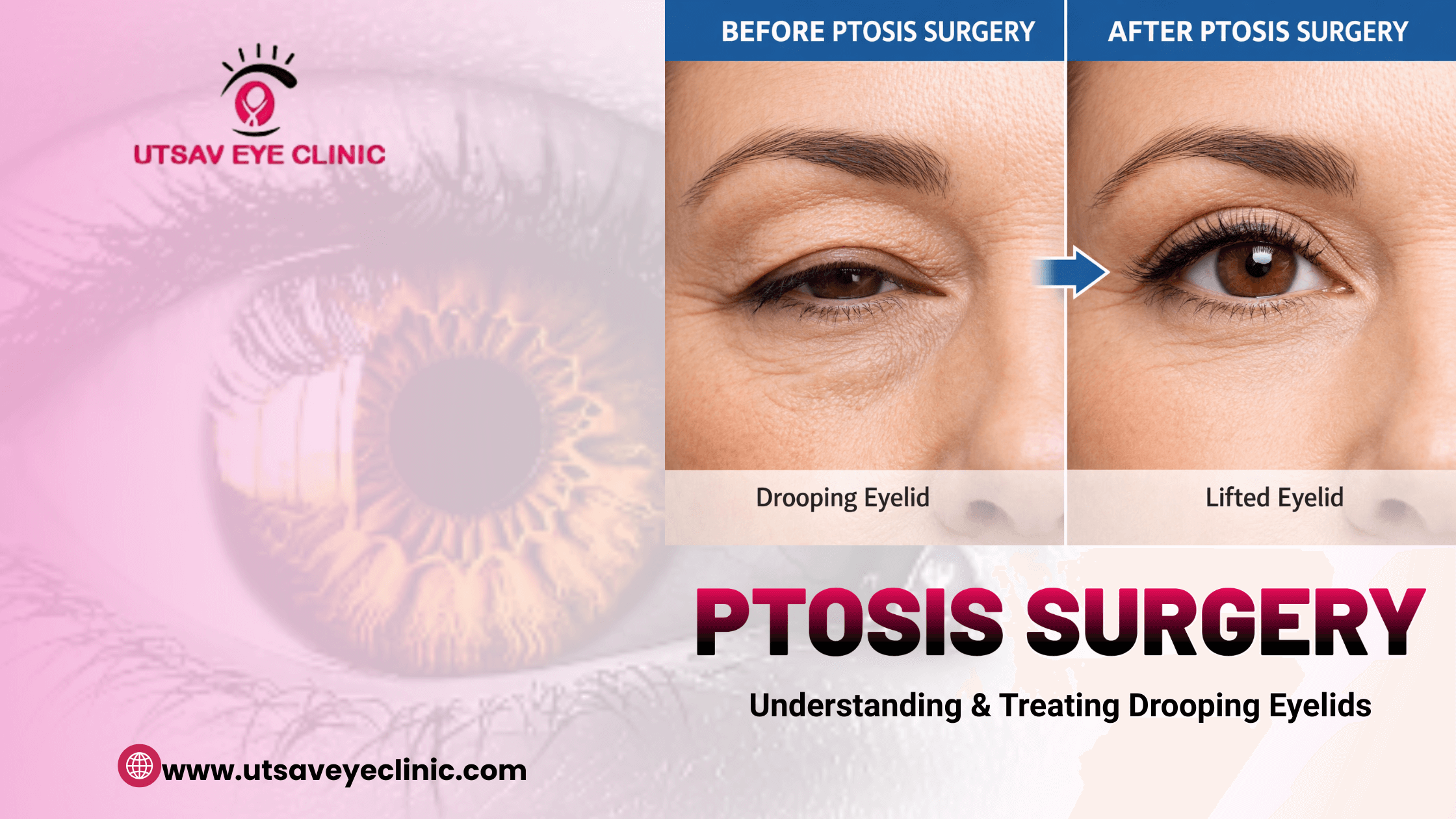
Do you notice your upper eyelids drooping more than usual? This condition is called ptosis surgery, and it can make your eyes look tired, affect your vision, or reduce your confidence. Drooping eyelids can happen slowly over time or may be present from birth. The good news is that ptosis surgery can correct this problem safely and effectively, helping you see well and feel more confident about your appearance.
What Is Eyelid Ptosis?
Eyelid ptosis is when the upper eyelid droops lower than normal. People with ptosis often find that their eyelids partially cover the eye, which can make it harder to see clearly, especially when looking upward. To see better, they may lift their eyebrows or tilt their head back. This extra effort can cause eye strain or headaches over time. If not treated, drooping of the lids can make everyday activities like reading, driving, or using a computer more difficult and tiring.
What Causes Drooping of Lids?
Drooping eyelids can happen because of:
- Weak eyelid muscles that are not strong enough to lift the eyelid properly
- Natural aging, which can cause muscles and skin to weaken
- Nerve problems that affect eyelid movement
- Being born with the condition
Besides affecting vision, many people feel self-conscious about how drooping of lids makes them look, as it can make the eyes appear tired or uneven.
When Is Ptosis Surgery Recommended?
Ptosis surgery is usually recommended when drooping eyelids cause problems with:
- Vision—When eyelids cover part of the eye, it can interfere with daily tasks like reading, driving, or using digital devices.
- Discomfort—Constantly lifting eyebrows or tilting your head can cause headaches, eye strain, or fatigue.
- Appearance—If drooping affects confidence or facial symmetry, surgery can improve how you look.
Consulting an experienced Eye plastic surgeon is important to determine if surgery is right for you and to plan the procedure safely.
How Does Ptosis Surgery Work?
Ptosis surgery works by lifting the eyelid to a normal position. An experienced eye plastic surgeon carefully adjusts or shortens the muscle that lifts the eyelid. In some cases, a sling operation is done to connect the eyelid to the forehead muscle, helping the eyelid open properly. The procedure is usually done under local anesthetic for adults, meaning you are awake but feel no pain. Children may require a general anesthetic.
Preparing for Ptosis Surgery
Before surgery, your eye plastic surgeon will guide you on the steps to prepare:
- Medical check-up: Ensures your eyes and overall health are ready for surgery
- Medication review: Some medicines may need to be paused temporarily
- Lifestyle adjustments: Avoid smoking and follow pre-surgery instructions for a smoother recovery
Proper preparation helps the surgery go well, reduces complications, and ensures the best results for your drooping of lids.
Risks and Benefits of Ptosis Surgery
Like all surgeries, ptosis surgery has some risks, but the benefits usually outweigh them.
Benefits:
- Better vision if drooping eyelids were blocking sight
- A more refreshed and balanced appearance
- Reduced eye strain and fewer headaches
Possible Risks:
- Temporary swelling or bruising
- Mild discomfort while healing
- Rarely, uneven eyelids or infection
A qualified eye plastic surgeon can minimise risks and guide you through recovery to ensure the best outcome.
Why Choose Expert Care with Dr. Anand Kumar at Utsav Eye Clinic?
Choosing a skilled eye plastic surgeon is important for safe and effective results. Specialists like Dr Anand Kumar at Utsav Eye Clinic use modern techniques and safe methods to help improve both vision and appearance. Proper guidance ensures the surgery is done precisely, and patients can enjoy better vision and a refreshed look.
Final Thoughts
Drooping eyelids can affect vision and confidence, but with the right care, they can be successfully treated. Experts like Dr. Anand Kumar at Utsav Eye Clinic help patients achieve improved vision, a refreshed appearance, and an easier daily life. If you notice signs of ptosis or struggle with drooping of lids, consulting a specialist can help you understand the best treatment options and plan surgery safely. Taking that step can make a real difference in how you see and how the world sees you.
More
Do you notice your vision becoming blurry, colors looking dull, or lights seeming too bright at night? This is usually caused by a cataract, which happens when the lens inside your eye becomes cloudy. Many people face this problem, but modern cataract surgery can help restore clear vision and make everyday life brighter.
What is a Cataract
A cataract happens when the natural lens of your eye loses its clarity. Normally, this lens is clear and helps focus light so you can see properly. When it becomes cloudy, your vision can blur, colors may look dull, and bright lights may feel uncomfortable. Cataracts usually develop slowly and are more common as we age.
Symptoms and Signs of Cataracts
Cataracts grow gradually, so you might not notice them immediately. Common signs include:
- Blurry or hazy vision
- Faded or dull colours
- Glare from sunlight or headlights
- Difficulty reading small print
- Frequent changes in your glasses prescription
If you notice these signs, it’s best to see an eye specialist early.
Importance of Early Checkup
Getting your eyes checked early is very important. Detecting cataracts in time allows the doctor to monitor how fast they are growing, decide the best time for surgery, and prevent problems that can affect daily life, like difficulty reading or driving. Regular eye exams help you keep your vision healthy and catch problems before they become serious.
How Cataract Surgery Works
Cataract surgery is a safe and straightforward procedure. The cloudy lens is removed and replaced with a clear artificial lens. Here’s how it works:
- Small incisionThe surgeon makes a tiny cut in your eye to reach the cloudy lens.
- Remove the cloudy lensThe lens is gently broken into small pieces and removed using phaco surgery.
- Insert a new lensA clear artificial lens, called an IOL, is placed inside your eye. This lens stays in your eye permanently and helps you see clearly.
- Quick recovery, The cut is very small, so healing is fast. Many patients notice clearer vision within a few days.
Why People Choose Cataract Surgery in Utsav Eye Clinic
People choose Utsav Eye Clinic, Kharghar, for cataract surgery because the clinic uses safe, modern methods. The team uses Laser eye surgery to make the surgery gentle and accurate.
The small cuts in the eye help patients heal quickly with less discomfort. The doctors guide patients at every step, so they feel safe and confident. Many patients regain clear vision and can enjoy daily activities easily.
Life After Cataract Surgery
After surgery, most patients notice a big improvement in their vision. Life can feel brighter and clearer. Benefits include:
- Sharper vision and better details
- Reduced glare and improved night vision
- Easier reading, driving, and daily activities
- Less reliance on glasses, depending on the lens used
Recovery is usually smooth, helping patients enjoy normal daily life again.
Final Thought
Cataracts can make life blurry and challenging, but with modern cataract surgery, clear vision is possible. Dr. Anand Kumar and his team at Utsav Eye Clinic Provide gentle, safe care to help patients regain confidence and enjoy life with better eyesight. If your vision is blurry or you struggle to see clearly, scheduling an eye checkup could be the first step to a brighter, clearer world.
More
By Dr Anand Kumar
13 Jan, 2026
Comprehensive Ophthalmology
#AcquiredNystagmus, #CongenitalNystagmus, #DancingEyes, #EyeDisorders, #EyeTreatment, #Nystagmus, #WobblingEyes, EyeHealth, UtsavEyeClinic, VisionCare
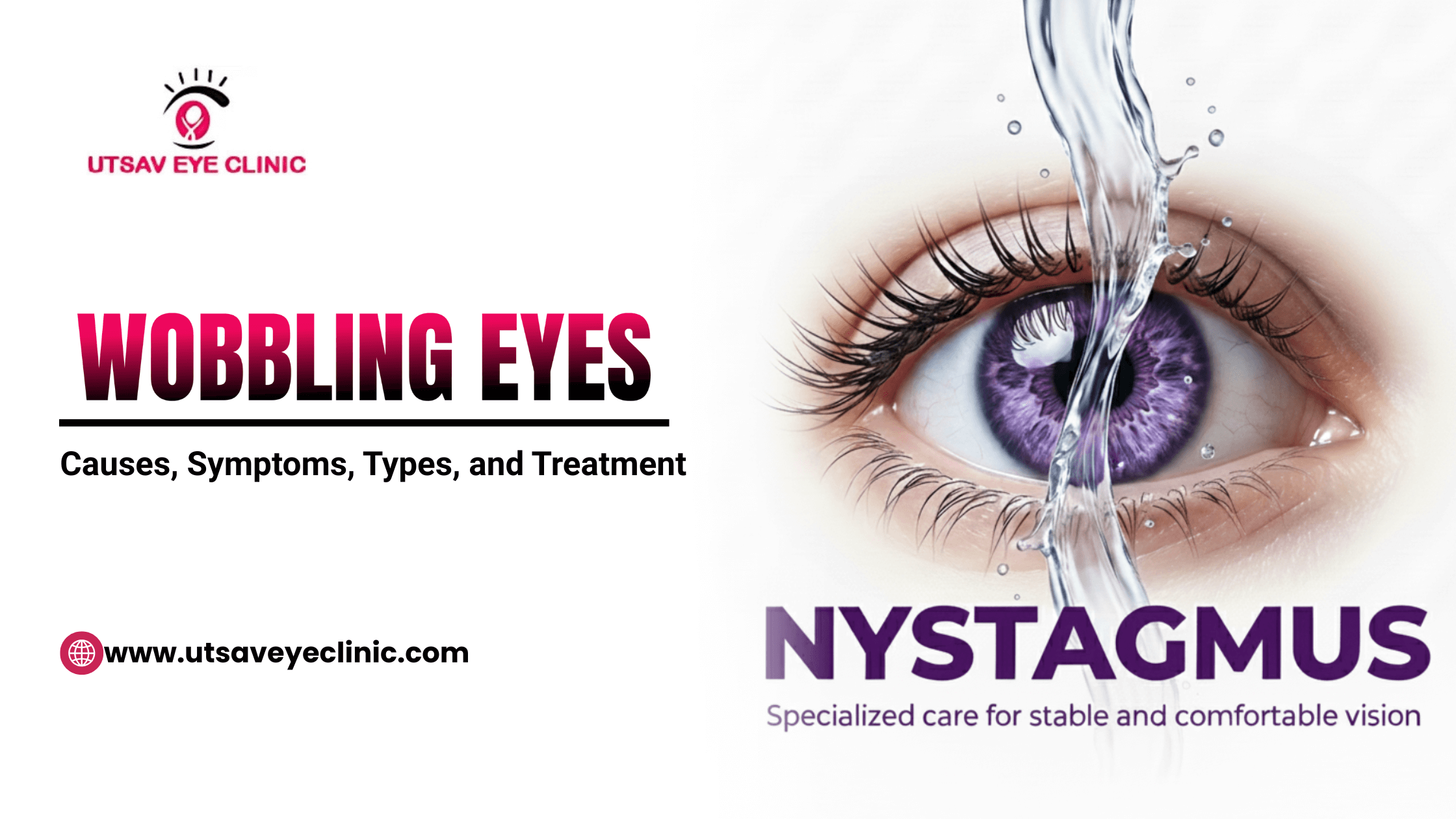
What Is Nystagmus?
Nystagmus is a condition where the eyes move on their own without control. These movements can be side to side, up and down, or in small circles. Because the eyes don’t stay steady, the condition is often called wobbling eyes or dancing eyes.
At Utsav Eye Clinic, every patient is examined carefully, and the treatment plan is made according to individual needs.
What Causes Nystagmus
Some children are born with nystagmus, and in certain families it may appear through generations. In other cases, it may happen without any family history. Conditions like ocular albinism or cone-related eye issues can also have a genetic link.
Genetic research is improving and helping doctors understand these eye conditions better.
Nystagmus can also develop due to:
- Inner ear issues
- Neurological problems
- Injuries
- Medical conditions
- Side effects of certain medicines
A complete eye check-up helps identify the exact cause.
In some people, wobbling eyes may be the first sign of the condition.
Symptoms of Nystagmus
Common symptoms include:
- Uncontrolled eye movements
- Difficulty focusing on objects
- Tilting or turning the head to see better
- Vision that appears shaky or unstable
- Trouble seeing in dim light
Some people adjust well, while others may face difficulty with reading, movement, or daily tasks.
Types of Nystagmus
- Congenital/Infantile Nystagmus
This form starts early in life. It may be inherited or linked with other childhood eye conditions. Many children adapt over time, and the brain helps stabilize what they see.
- Acquired Nystagmus
This form develops later in life due to illness, injury, or neurological problems. People may suddenly notice instability in their vision. The movements can be horizontal, vertical, or circular. Knowing the type helps decide the best treatment.
Management of Nystagmus at Utsav Eye Clinic
The doctor begins by asking when the eye movements started, how often they happen, and whether other symptoms are present. A detailed eye examination is done to understand the movement pattern.
Some patients describe the movement as dancing eyes because of the constant motion.
Treatment may include:
- Glasses or Contact Lenses– to improve vision clarity.
- Treating Underlying Conditions– addressing health issues that may trigger the eye movements.
- Visual Activities for Children– reading, playing, and visual tasks that support development.
- Eye Muscle Surgery—In selected cases, procedures like tenotomy or muscle repositioning may:
o Reduce the intensity of movements
o Improve eye alignment and reduce head tilting
o Make daily tasks easier
The treatment plan is personalised based on age, type of nystagmus, and overall eye health.
Why Early Check-Ups Matter
A timely eye checkup is important if you notice regular eye movements, unstable vision, or a head tilt. Early diagnosis makes it easier to understand the type of nystagmus and begin the right treatment.
A specialised centre like Utsav Eye Clinic helps guide patients of all ages through proper evaluation and long-term management.
Final Thoughts
Nystagmus can be managed successfully when it is identified early and treated correctly. With the right care, whether visual activities, lenses, or surgery, many people experience better comfort and clearer vision.
If you or your child is showing signs of nystagmus, visiting Utsav Eye Clinic can help you receive the right advice and treatment.
For expert care, Dr. Anand Kumar is committed to helping patients achieve stable and comfortable vision.
More
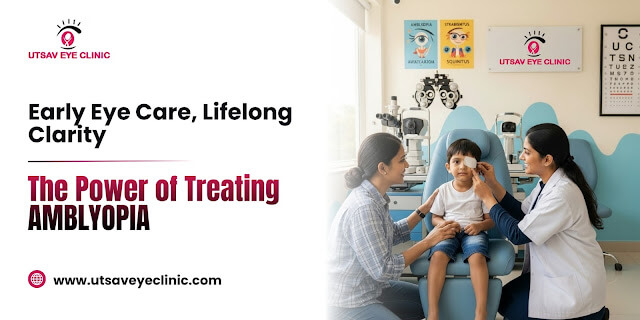
Early eye care is essential for children because healthy vision helps them learn, play, and grow with confidence. Good vision helps children learn, play, explore, and grow with confidence. Good vision helps children enjoy life, learn better, and grow with confidence. Clear sight supports reading, playing, exploring, and connecting with the world. Sometimes, though, one eye may not see as clearly as the other. This condition is called amblyopia, or lazy eye. It occurs when the brain relies more on one eye while the other becomes less active. Without proper care, the weaker eye can remain underdeveloped. But with early treatment, children can regain clear sight and enjoy this benefit for a lifetime.
When One Eye Works Less
Amblyopia is not always obvious in the beginning. A child may appear normal, but one eye slowly becomes weaker. There are many reasons for this. Some children have a squint, where the eyes are not aligned. Others may need glasses in children due to nearsightedness, farsightedness, or astigmatism. In rare cases, a cataract or another eye condition can lead to it.
Since children often don’t mention vision difficulties, parents might not notice anything unusual. The stronger eye usually works well, so the child adapts. This is why doctors often call amblyopia the “silent vision problem.”
Catching the Signs Early
Children’s eyes develop rapidly in the first few years of life. By the age of 7–8, most of their vision is already formed. Doing visual screening on children before this stage gives the best chance to detect lazy eye or squint in time.
Some simple signs parents can watch for are:
- Tilting the head often
- Covering one eye while reading
- Difficulty focusing on small objects
- One eye turning inward or outward
Even if no clear signs are noticed, scheduling an eye check is a wise step. Early treatment not only prevents complications but also supports learning and development at school.
Simple Steps That Make a Big Difference
Treating amblyopia is straightforward but requires patience and consistent follow-up.
- Glasses in children: Corrective glasses help both eyes work together.
- Eye patches: Covering the stronger eye helps the weaker one become stronger.
- Drops: In some cases, drops may be used instead of patches.
- Follow-ups: Regular checkups allow doctors to track progress and adjust treatment.
Extra Tips for Parents
- Make patching more enjoyable with colorful or themed patches.
- Encourage activities like drawing, puzzles, or reading while the patch is on.
- Praise your child for wearing glasses daily.
- Never miss follow up visits, as they are important to guide progress.
Small daily efforts can bring remarkable improvements in vision.
Care with Gentle Hands
At Utsav Eye Clinic, Kharghar,Navi Mumbai, Dr. Anand Kumar and his team treat amblyopia with kindness and expertise. Each child’s treatment plan is personalized with patience and care. From glasses to patching, every step is explained so that families feel confident and supported.
Final Thought
Every child deserves the gift of clear vision. Early care today builds confidence for school, play, and everyday life. A simple step now can give your child strong eyesight for years to come. Healthy eyes today, brighter tomorrow guided with care by Dr. Anand Kumar.
More